
Last updated October 31, 2026
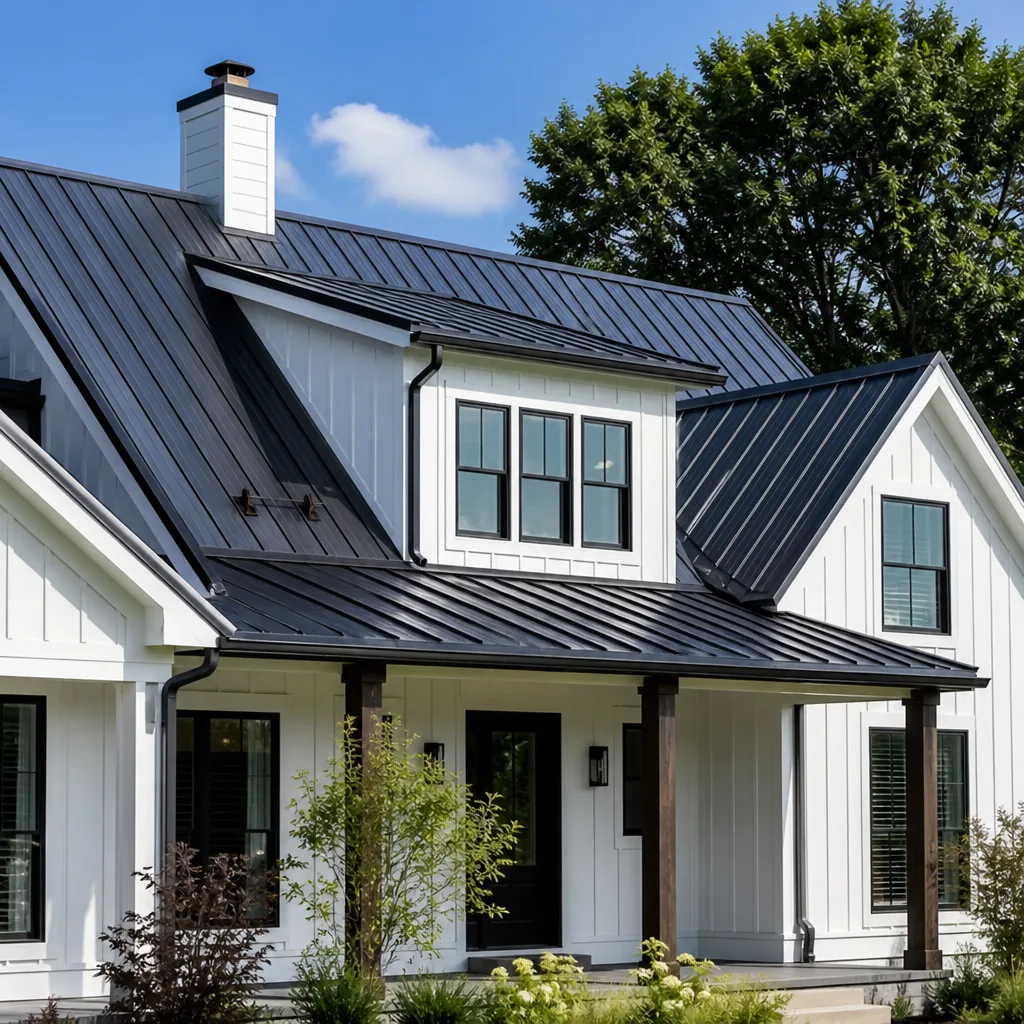 Metal roofing
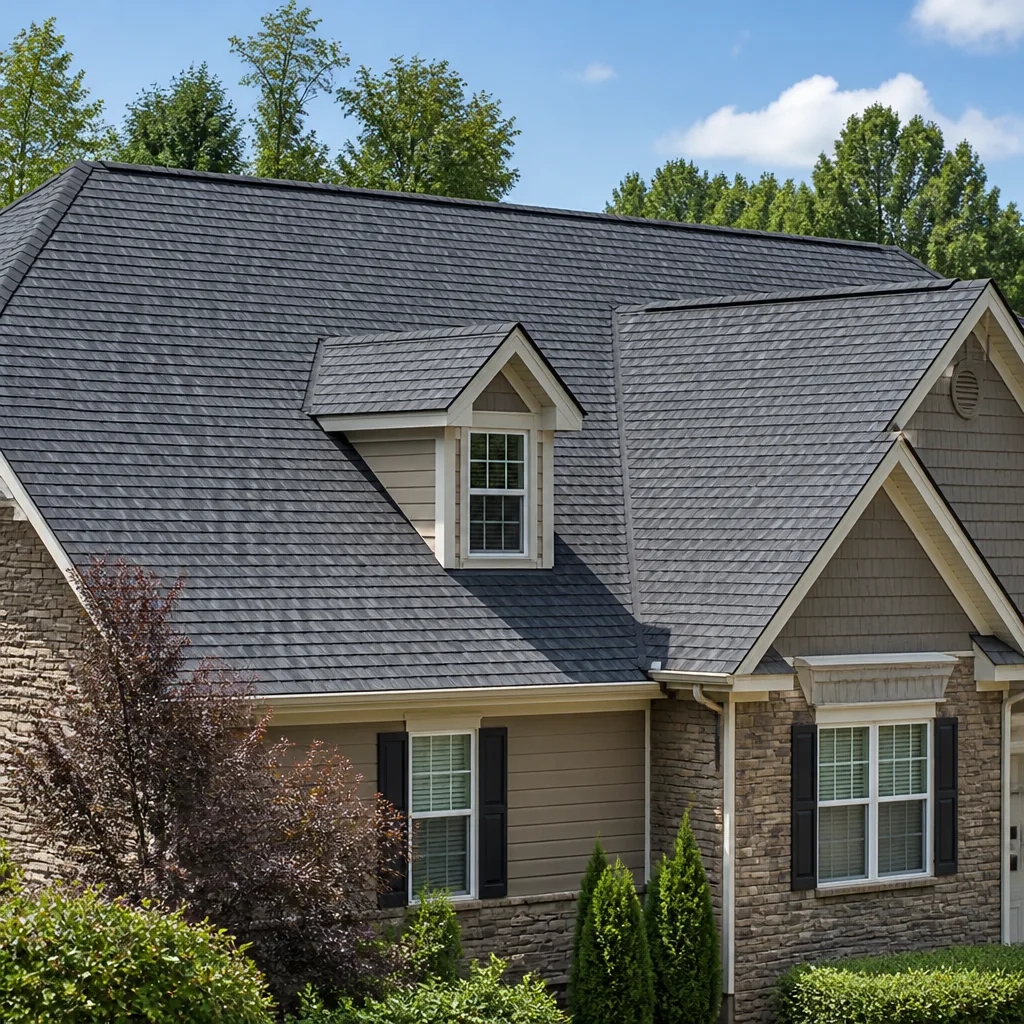
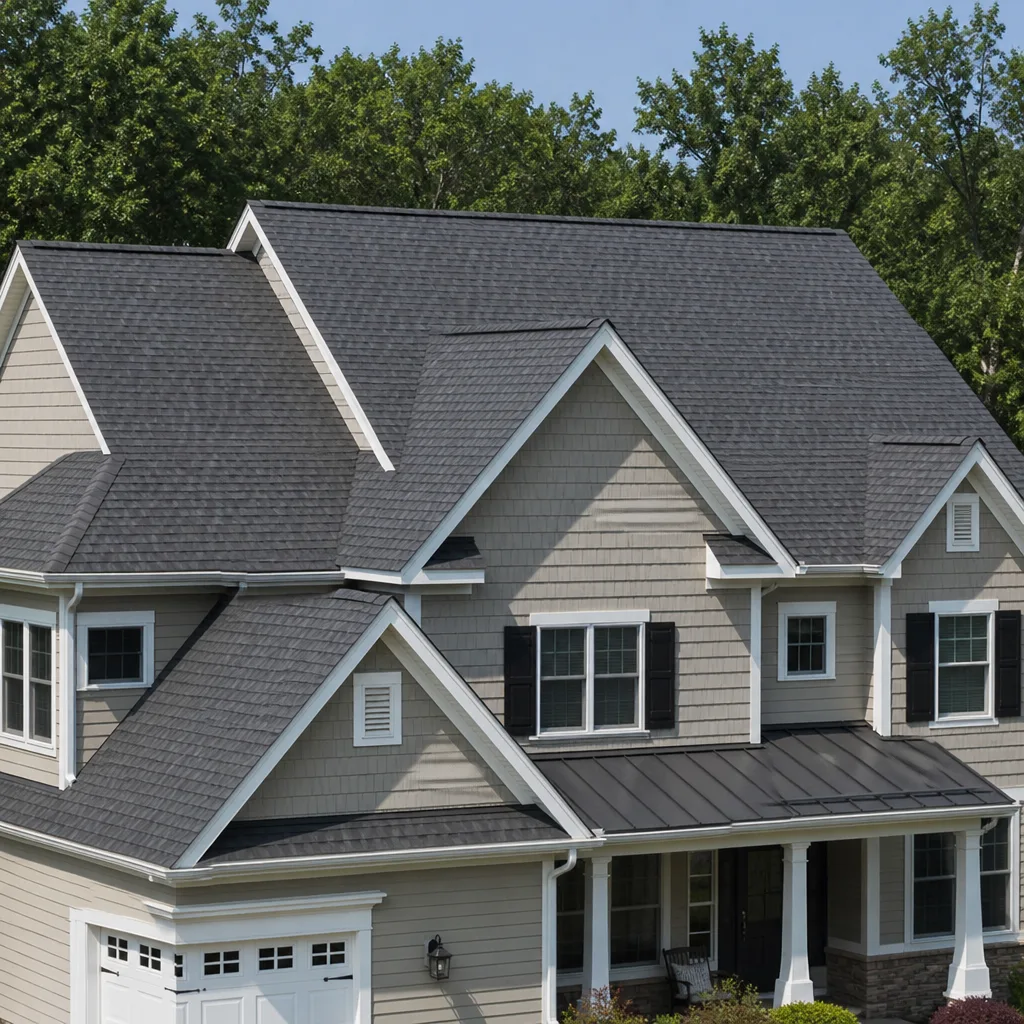 Architectural shingles
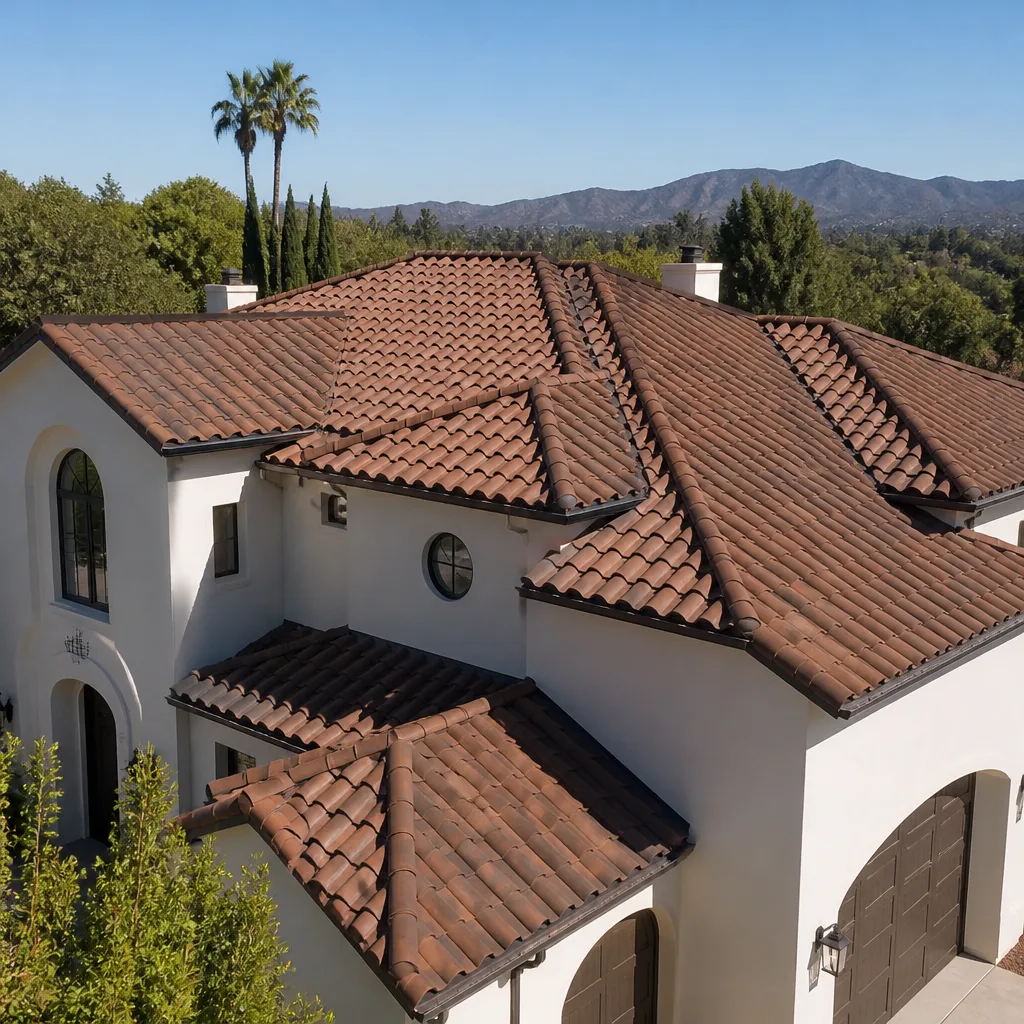 Tile roofing
 GAF
 Owens Corning
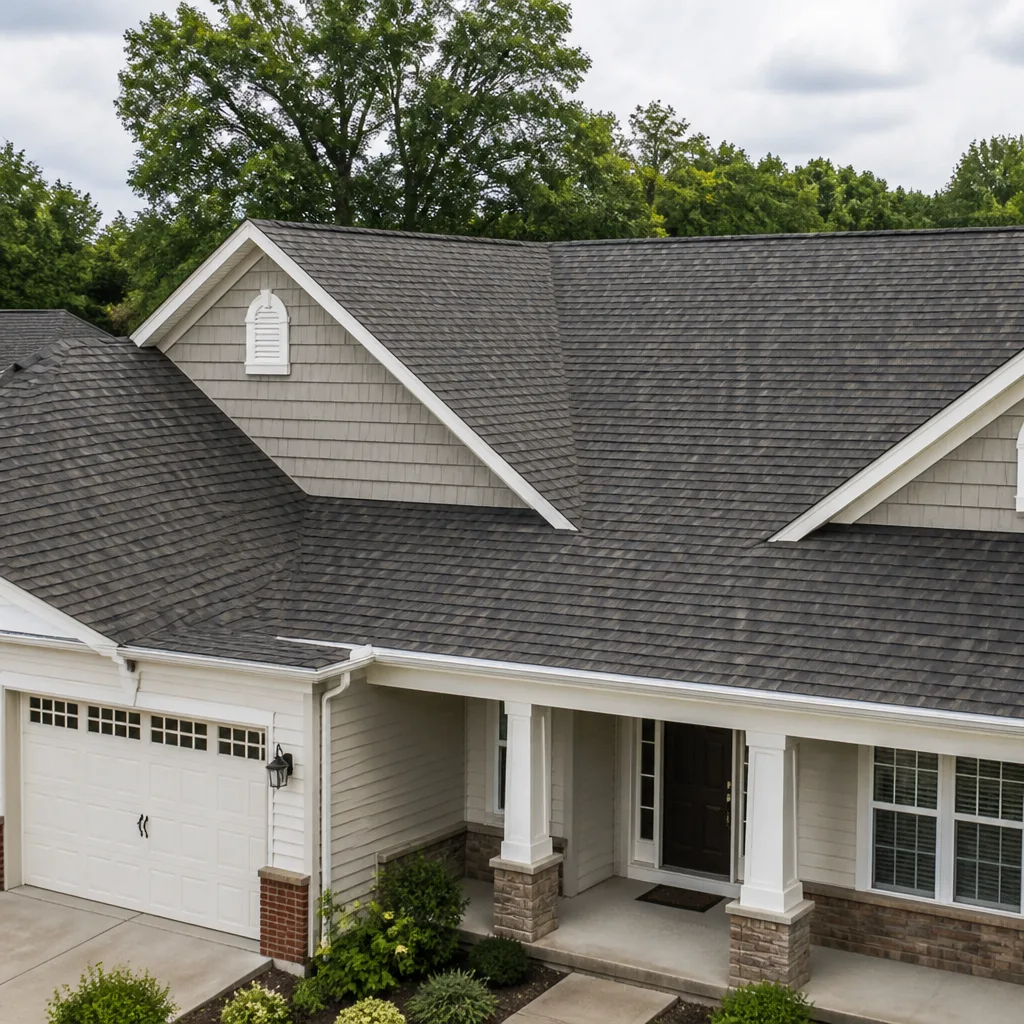
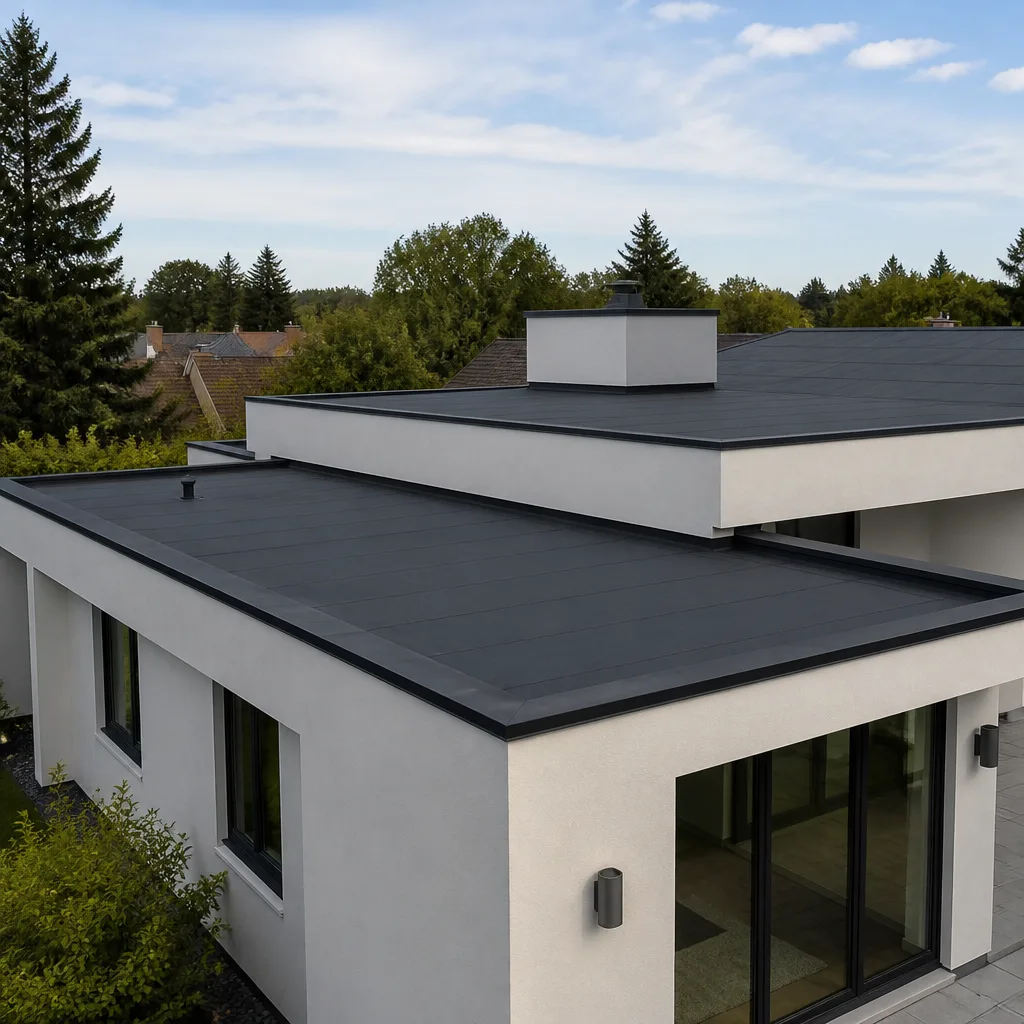 Flat & low-slope
Free roof inspection with deck photos before we talk money - GAF and Owens Corning certified installation
Roofing Emergency Preparedness Guide for Van Nuys Homes
After a Santa Ana wind event, roofing emergency crews in the San Fernando Valley are typically booked 48 to 72 hours out. What you do in the first six hours determines whether an $800 repair becomes a $15,000 interior water damage claim. In Van Nuys, where single-family homes built between 1940 and 1970 dominate the housing stock, the difference between a minor roof problem and a catastrophic one often comes down to preparation and fast, correct action. This guide covers the three roofing emergency triggers specific to Van Nuys: Santa Ana winds, atmospheric river deluges, and wildfire ember wash. You’ll learn what to do in the first hour, how to document damage for insurance, what to check before every wind event, how to spot a storm-chasing roofer, and which roof assemblies are most vulnerable to ember intrusion.
Quick Answer
Roofing emergencies in Van Nuys fall into three categories: wind damage from Santa Ana events, water intrusion from atmospheric rivers, and ember wash from wildfire events. Immediate action means documenting damage thoroughly, tarping or covering penetrations from inside or outside only if safe, and calling a qualified roofer before the 48-to-72-hour storm surge backlog hits. The single most important step homeowners skip is photographic documentation before any temporary repairs, which is the difference between a covered claim and a denied one.
Styles & brands we work with
Table of Contents
- The First Hour: What to Do Immediately After Roof Damage
- Documenting Roof Damage for a California Insurance Claim
- The Santa Ana Wind Emergency Checklist
- How to Identify a Legitimate Emergency Roofer vs. a Storm Chaser
- Wildfire Ember Intrusion: Vulnerable Roof Assemblies and Fire Watch Measures
- Van Nuys Roofing Risks by Neighborhood and Home Era
- Material Choice and Emergency Resilience in Van Nuys
The First Hour: What to Do Immediately After Roof Damage
When a section of roofing tears off during a Santa Ana gust or water starts staining the ceiling during an atmospheric river event, the first hour sets the trajectory. Panic leads to bad decisions: climbing onto a wet or wind-compromised roof, calling the first roofer who answers, or ignoring the problem until morning. Here’s what actually works in Van Nuys, where wind gusts have exceeded 80 mph in recent Santa Ana events and where flat-roof sections common on mid-century homes pool water fast.
Step One: Stop the Water Without Getting on the Roof
Do not climb onto a wind-damaged or water-saturated roof. A roof that has lost shingles or membrane has lost structural integrity at the failure point. In our experience, the homeowners who get hurt are the ones who go up with a tarp and a headlamp. Instead, work from inside:
- Contain the water at the ceiling. Poke a small hole in any sagging drywall bulge with a screwdriver and place a bucket underneath. A ceiling that holds water will eventually collapse under the weight; releasing it in a controlled way saves the drywall around it.
- Move furniture and electronics out of the room. Water spreads through drywall and finds its way to the lowest point, which is rarely where the leak appears.
- Shut off power to affected rooms if water is near light fixtures, ceiling fans, or outlets. Electrical shorts in wet ceilings are a fire risk.
- If you can safely reach an attic access, place a tarp or plastic sheeting over the leak point from below. Use a staple gun or weighted objects to hold it in place. This is a temporary measure, but it keeps water from soaking insulation and spreading mold. Only do this if the attic is accessible without climbing onto the roof surface.
Step Two: Call a Roofer, Not a Handyman
Emergency roofing in Van Nuys after a major wind event is a capacity game. The reputable crews book out within hours. A licensed roofer will take your call, ask specific questions about the damage, and schedule a site visit with a clear window. A handyman or an unlicensed “guy with a truck” will offer to come immediately, which is the first red flag. Immediate availability after a major weather event usually means no backlog because nobody with options is calling them.
Step Three: Do Not Make Permanent Repairs Yourself
Temporary tarping from inside the attic is fine. Full repair work without a permit, without an inspection, and without understanding the roof assembly’s nailing pattern, underlayment requirements, and flashing details will fail. In Van Nuys, where city code enforcement is active on unpermitted work, a DIY repair that fails will not be covered by homeowner’s insurance. This is where the distinction between emergency response and permanent repair matters. Our Roof Repair in Van Nuys process includes documentation of the pre-repair condition, which matters for any insurance claim.
Documenting Roof Damage for a California Insurance Claim
California insurance adjusters require specific documentation before they approve a claim. The sequence of documentation matters as much as the documentation itself. Here’s the order that works, based on what adjusters have told us they look for:
- Photograph everything before touching anything. Take wide shots of the entire roof from the ground at multiple angles, then close-up shots of every damaged area. Use a digital camera or phone with timestamp metadata enabled. No temporary repairs, no tarp, no moving debris.
- Photograph the interior damage. Water stains, ceiling bulges, wet insulation, and any items damaged by water. Include a ruler or tape measure in at least one photo for scale.
- Write a timeline. Date, time, and description of what happened, when you noticed it, and what actions you took. Adjusters look for internal consistency between your narrative and the physical evidence.
- Keep all receipts. Tarps, buckets, plastic sheeting, even the screwdriver. California law requires insurers to reimburse reasonable temporary protection measures.
- Do not sign anything from a roofer until you’ve spoken with your adjuster. A contract that assigns insurance benefits to the roofer is a trap. Legitimate roofers will work with your insurer directly without a benefit assignment.
One Van Nuys-specific note: if the damage occurred during a Santa Ana wind event, note the date and the National Weather Service wind speed readings for Van Nuys. Adjusters compare your claim against local weather data, and a documented 70 mph gust on your street supports the claim far better than “it was really windy.”
Before any temporary roof covering goes on, call us or another licensed roofer to assess and document the condition. Our Roof Inspection in Van Nuys service produces a written condition report with photographs, which is genuinely useful for claims, even if you end up working with a different contractor.
The Santa Ana Wind Emergency Checklist
Santa Ana winds in the San Fernando Valley typically peak between September and February, with the strongest events producing sustained winds of 30 to 50 mph and gusts above 80 mph through the Van Nuys area. The damage pattern is predictable: ridge cap shingles lift first, followed by edge shingles, then field shingles in a cascading pattern, and finally any unsecured flashing around chimneys and vents. The checklist below is what we run through with homeowners before every high-wind forecast.
Before the Wind Event
- Check the ridge cap. Ridge cap shingles are the highest point on the roof and the first to catch a gust. From the ground, look for any cap shingle that appears lifted, cracked, or missing. If you see one, it’s a repair call before the wind, not after.
- Inspect the roof edges. On shingle roofs, the rake edges (the slanted edges along the gable ends) take direct wind shear. Shingles that are curled or lifted at the edges are about to become airborne debris.
- Clear the gutters. Debris in gutters makes the wind load worse by creating a lip that catches the wind and pulls the gutter off the fascia, which often takes the drip edge and the first row of shingles with it.
- Secure loose items in the yard. A patio umbrella that becomes airborne at 70 mph is a missile aimed at your roof. Move chairs, tables, and decorative items inside or tie them down.
- Trim branches that overhang the roof. A branch that touches the roof will rub against shingles during a wind event and strip the granule layer. Even if the branch doesn’t break, the friction damage shortens the roof’s life. Van Nuys has a large stock of mature trees, and many homes have branches within contact range of the roof.
After the Wind Event
- Walk the perimeter and photograph the roof from the ground. Look for shingles on the lawn, in the street, or in the gutter. Any shingle you find on the ground came from your roof or a neighbor’s.
- Check for lifted but not missing shingles. A shingle that is bent back like a dog-ear will reseal partially, but the seal is broken and the next wind event will remove it completely.
- Look inside the attic. If you see daylight through the roof deck or signs of water staining, call for repair before the next rain.
Most wind damage in Van Nuys is a slow-motion failure. The first event lifts shingles and breaks seals. The second event removes them. The first atmospheric river after that is when water gets in. The window between the first and second event is when a $400 repair keeps the $12,000 interior damage claim from ever happening.
How to Identify a Legitimate Emergency Roofer vs. a Storm Chaser
After any major weather event in the San Fernando Valley, out-of-town crews arrive within days. They knock on doors, quote low prices, demand deposits, and often leave before the work is finished or before the leaks appear. Here’s how to separate them from a legitimate Van Nuys roofing company:
- They knock on your door unsolicited. Legitimate roofers are booked. Storm chasers spend their time knocking on doors because they have no backlog. If someone comes to your door after a wind event and says they “happened to notice” your roof, that’s a cold call, not a professional.
- They don’t have a Van Nuys or San Fernando Valley business address. Ask for the physical address. If it’s a P.O. box, a hotel, or an address in another state, walk away.
- They ask for a large deposit upfront. Material deposits are normal, but a storm chaser will often ask for 50% or more before doing any work, then either disappear or deliver substandard work and vanish.
- They don’t pull permits. In Van Nuys, roof replacement work requires a permit. A roofer who says they can do the job without one is telling you they don’t care about code compliance, which means your insurance claim is at risk and your roof is at risk.
- They offer to “work with” your insurance. Insurance benefit assignment schemes are the hallmark of storm chasers. They will happily sign a contract that gives them the right to negotiate directly with your insurer, then inflate the claim and pocket the difference. Never sign assignment of benefits.
- They can’t tell you the specific wind and water exposure issues in Van Nuys. A legitimate roofer knows that single-ply membrane roofs common on flat sections of Van Nuys homes fail differently than composition shingle roofs, and can tell you which sections of your specific roof are vulnerable.
The best protection is to have a roofer relationship before the emergency. A Roof Inspection in Van Nuys costs a few hundred dollars and gives you a baseline condition report. When the storm hits, you call the company that already has your roof documented. That’s not an upsell; it’s the single most effective emergency preparedness step we recommend.
Wildfire Ember Intrusion: Vulnerable Roof Assemblies and Fire Watch Measures
Van Nuys sits in a wildland-urban interface zone where ember wash from wildfires in the Santa Monica Mountains and the Angeles National Forest can reach residential rooflines even when the fire front never gets close. Embers travel ahead of the fire front by a mile or more, and the roof is the single largest horizontal surface on a home. The vulnerability points are not where most homeowners think they are.
Most Vulnerable Roof Assemblies in Van Nuys
- Open-eave construction. Homes built in Van Nuys before 1970 often have open eaves with exposed rafter tails. Embers blow into the eave space and accumulate where the roof deck meets the exterior wall. This is the number one ember intrusion point we see on older Van Nuys homes.
- Unrated roof vents. Ridge vents, gable vents, and off-ridge vents that do not have ember-resistant mesh screening allow embers into the attic. California building code now requires 1/8-inch mesh on all attic vents in fire hazard zones, but most existing homes predate that requirement.
- Debris accumulation in roof valleys and gutters. Dry leaves, pine needles, and twigs in roof valleys and gutters are kindling. An ember lands in a full gutter, and the fire starts at the eave line, not on the roof surface.
- Roof-to-wall intersections. The joint where a sloped roof meets a vertical wall (common on Van Nuys ranch-style and split-level homes) collects embers and has complex flashing details that are often inadequately protected with fire-resistant materials.
Fire Watch Measures That Are Code-Permissible
During a red flag warning or an active fire watch, there are temporary measures you can take. These are not permanent fixes, but they reduce ember intrusion risk:
- Clean all roof valleys, gutters, and eave spaces of debris. This is the single highest-impact fire watch action. Remove every leaf, pine needle, and twig.
- Cover vents with 1/8-inch metal mesh from the outside. Do not use plastic or fiberglass screening; it melts. Metal mesh can be stapled over the exterior of vents temporarily. This is code-consistent for wildfire protection.
- Plug any gaps at the roofline. Use fire-resistant caulk or metal flashing to close gaps at roof-to-wall intersections, eave ends, and around vent penetrations. Embers find gaps as small as 1/4 inch.
- Wet down the roof surface if water restrictions allow. During an actual fire event with emergency water exemptions, a wet roof is significantly less vulnerable to ember ignition. This is a firefighter-tested measure.
For permanent ember protection, a Roof Replacement in Van Nuys should specify Class A rated materials (the highest fire rating available), ember-resistant vent products, and a full deck inspection that identifies and seals eave gaps. We work with multiple manufacturers to match the right material to the specific fire exposure, rather than pushing one brand’s product line. That matters when your home’s fire protection depends on the roof assembly, not just the shingle grade.
Van Nuys Roofing Risks by Neighborhood and Home Era
Van Nuys is not a single housing stock. The roofing risks vary significantly by the era and style of construction, and a preparedness plan should account for the home you actually live in. Here’s what we see across Van Nuys neighborhoods.
Pre-1950 Construction: Valley Glen and Central Van Nuys
Homes from this era typically feature rafter-framed roofs with board decking, often with multiple gables and dormers. The most common failure point is the open eave, which we covered in the ember section, followed by aging flashing at dormer intersections. The board decking was installed without modern panel clips, so any wind uplift translates directly into shingle seal failures. For these homes, the Roof Repair in Van Nuys call should focus on eave inspection and flashing points, not just shingle condition.
1950-1975 Construction: Van Nuys Proper and Sepulveda Basin
This is the era of the California ranch and the start of tract development. Roofs are typically composition shingle on plywood decking, with low-slope sections over additions and carports that are often flat or near-flat. The flat sections are the vulnerability: built-up roofing or early single-ply membranes that are now 40 to 50 years old and well past their service life. When atmospheric rivers hit, these flat sections are where water ponds and where leaks start. Homeowners in this era should inspect flat sections after every significant rain event.
1975-Present Construction: Lake Balboa and Western Van Nuys
Newer construction includes more tile roofs (clay and concrete) and some standing seam metal. Tile roofs have excellent fire resistance but are heavy; the structure underneath was engineered for the load at the time of installation, but any retrofit (like adding tile to a roof originally built for shingle) changes the calculation. The most common failure on tile roofs in Van Nuys is not the tile itself but the underlayment underneath, which deteriorates long before the tile does. A tile roof can look perfect from the ground and leak from every valley.
The neighborhood-level point: your emergency plan depends on your roof’s construction type and era, not just on the weather. A generic preparedness guide that treats all Van Nuys roofs the same is missing the specific risk that matters for your home.
Material Choice and Emergency Resilience in Van Nuys
The roof material you choose during a replacement directly affects how your home performs during all three Van Nuys emergency scenarios: wind, water, and ember. Material-neutral guidance matters here, because each material has trade-offs.
Composition Shingle (Asphalt)
Mainstream shingle products from CertainTeed and GAF include high-wind and impact-resistant lines that are tested for specific wind speeds. The key variable is the installation: a properly installed shingle roof with correct nailing patterns and a sealed deck can handle sustained 60 mph winds. The same shingles installed with improper nailing will fail at 40 mph. Material quality matters, but installation quality matters more. We are trained and experienced with multiple shingle lines, so we can give you an honest comparison rather than steering you toward a single brand.
Tile Roofing (Clay and Concrete)
Tile is the best material for ember resistance and long-term durability in the Van Nuys climate, but it’s heavy and the underlayment is the hidden variable. A tile roof with a premium underlayment from a manufacturer like Boral or Atlas will perform well in atmospheric river conditions. The same tile with a basic underlayment will leak at every penetration. If you choose tile, you’re really choosing the underlayment.
Metal Roofing
Standing seam metal from manufacturers like Owens Corning or IKO (in their metal lines) provides the best wind resistance and is rated for Class A fire. The limitation in Van Nuys is cost and the need for specialized installation. If your home had wind damage that the previous owner paid for repeatedly, metal is often the repair that ends the cycle.
The point across all materials: the product matters less than the installation specification. Seven leading brands, one crew that knows them all means we can match the material to the risk profile of your specific Van Nuys home, not to a supplier contract. That’s the practical emergency resilience argument: your roof should be chosen for how it handles Santa Ana winds, atmospheric river rain, and ember wash, not for which brand a roofer happens to stock.
Common Mistakes to Avoid
- Climbing onto the roof after a wind event. A roof with missing shingles has exposed underlayment and a compromised deck in places you cannot see from the ground. Getting on it without a harness and proper training is how emergency roof calls become emergency room calls. Van Nuys rooflines on mid-century homes are particularly deceptive because the pitch looks walkable from the street.
- Waiting until Monday because “the leak is small.” A small leak during an atmospheric river becomes a large leak within hours. Water spreads through drywall and insulation, and mold establishes in 24 to 48 hours. The repair cost compounds by the hour.
- Hiring a storm chaser because they “can start tomorrow.” Tomorrow when everyone else is booked for 72 hours means the roofer has no backlog because nobody who knows better is calling them. Storm chasers perform substandard work under pressure and are gone before the defects appear.
- Signing an insurance assignment of benefits. This is the trap that turns a roof repair into a legal problem. Once you assign benefits, you lose control of the claim. Legitimate roofers work alongside your adjuster without taking ownership of the claim.
- Skipping the documentation step. The adjuster cannot approve what they cannot see. If you tarp the roof before photographing it, you’ve destroyed the evidence. Every claim denial we’ve seen started with missing or nonexistent photos.
- Treating flat roof sections like sloped sections. Van Nuys homes from the 1960s and 1970s often have flat sections over additions, patios, and carports. These sections pond water and require different repair methods. A roofer who treats a flat section like a shingle roof will fail.
See the difference
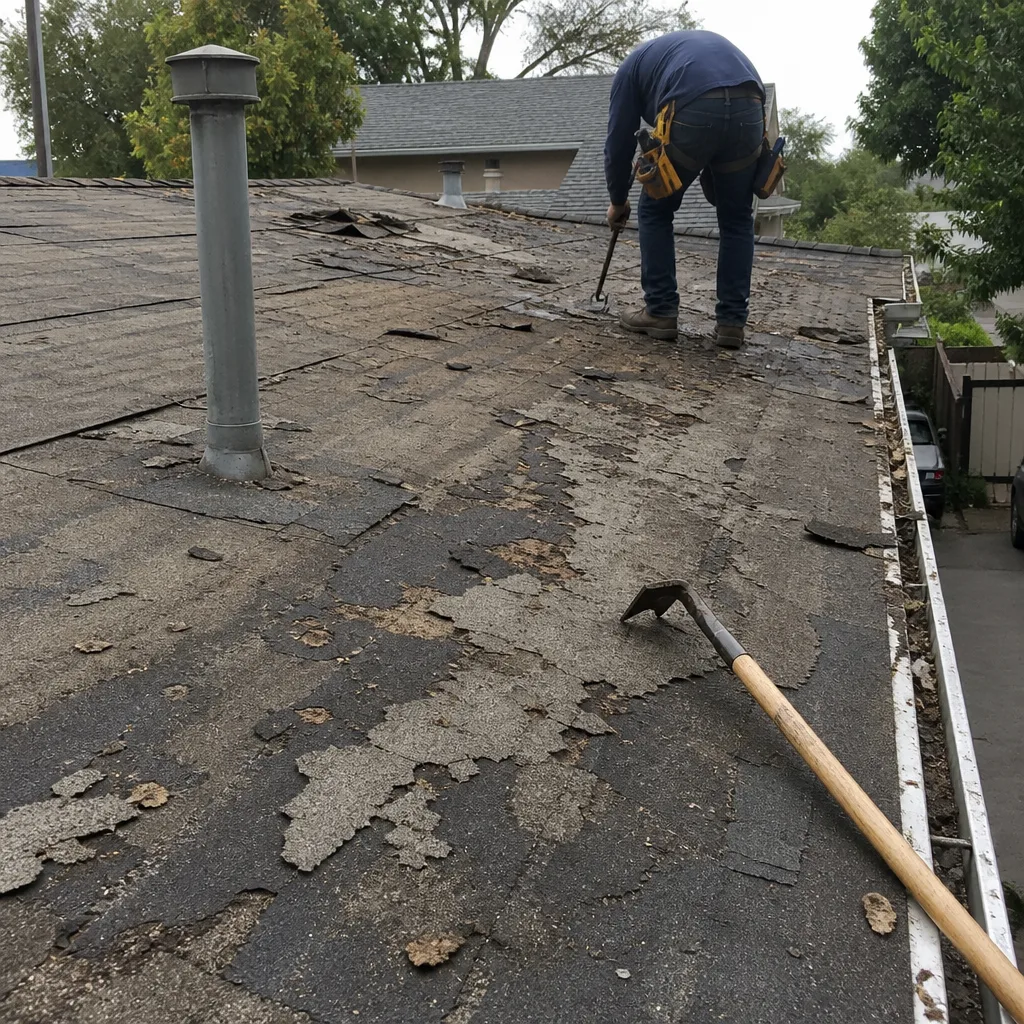 Before
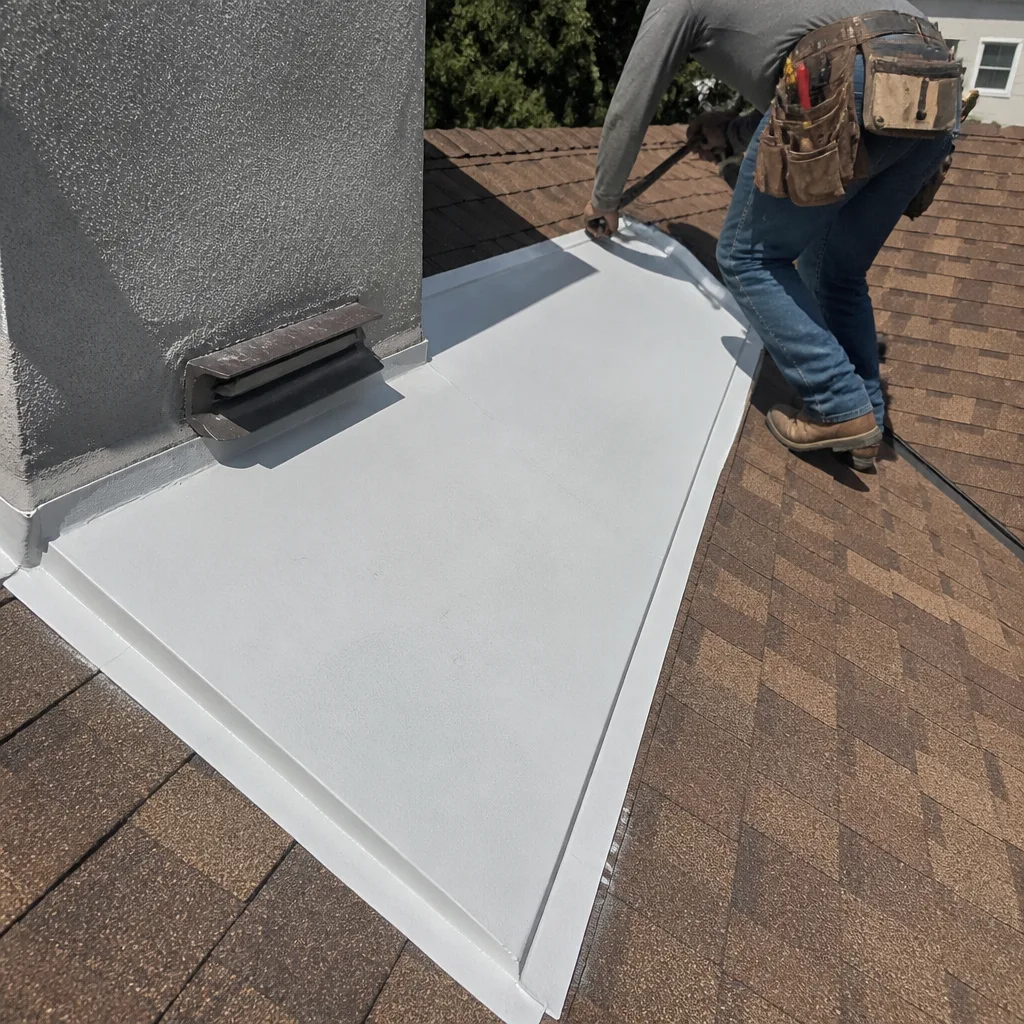 After
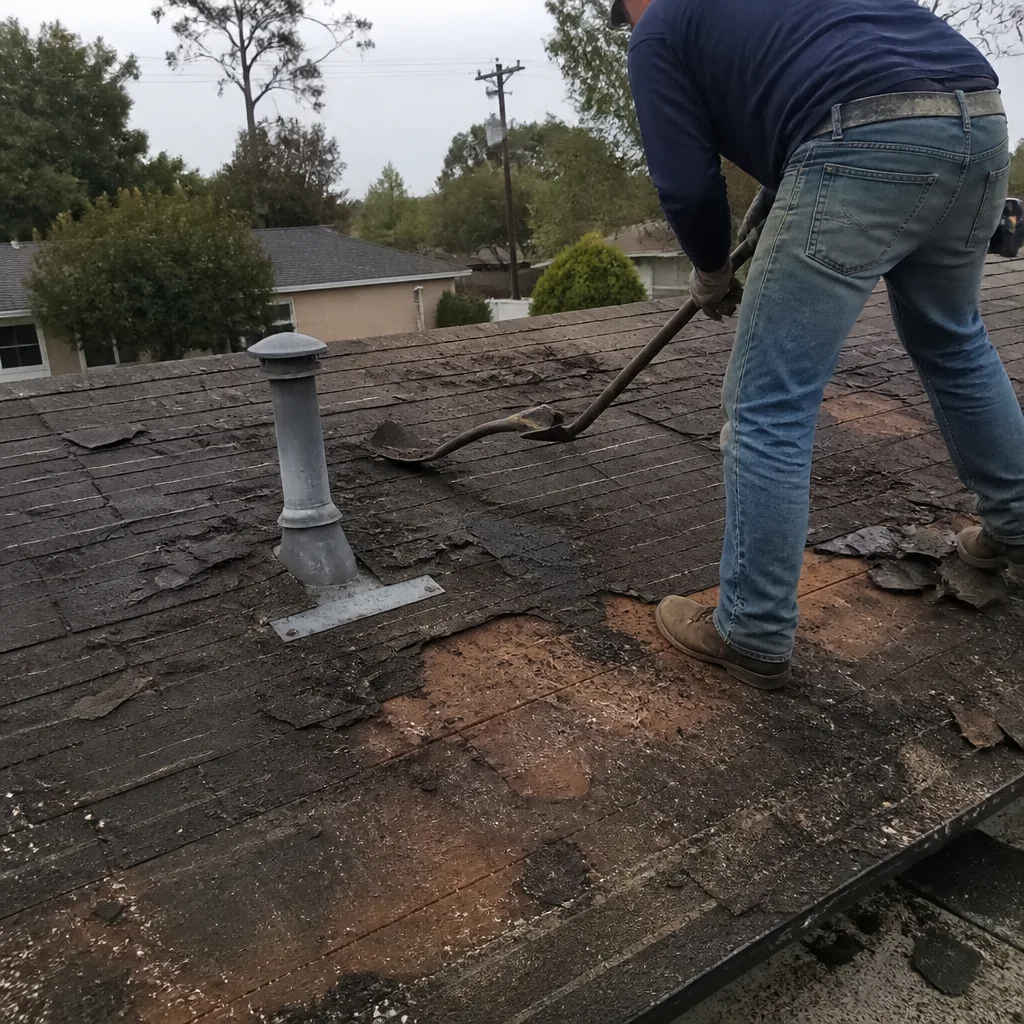 Before
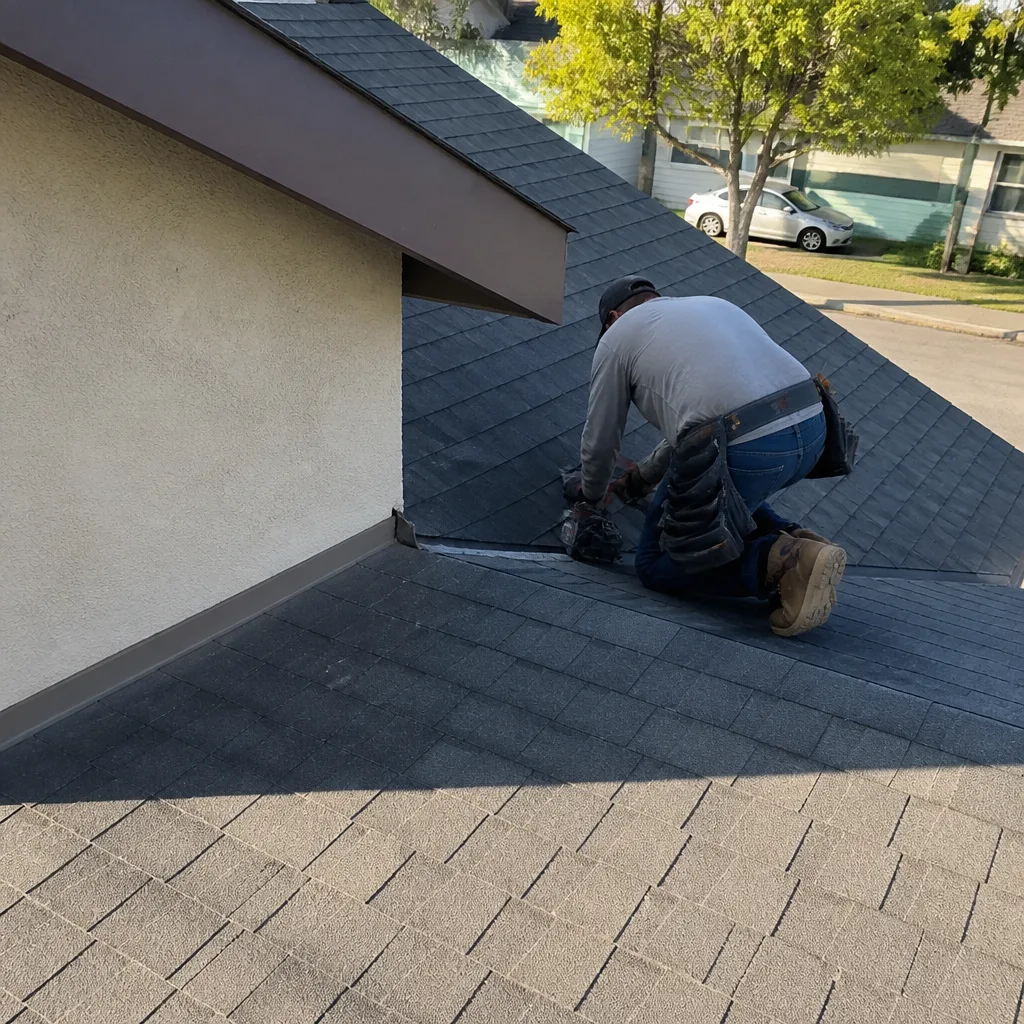 After
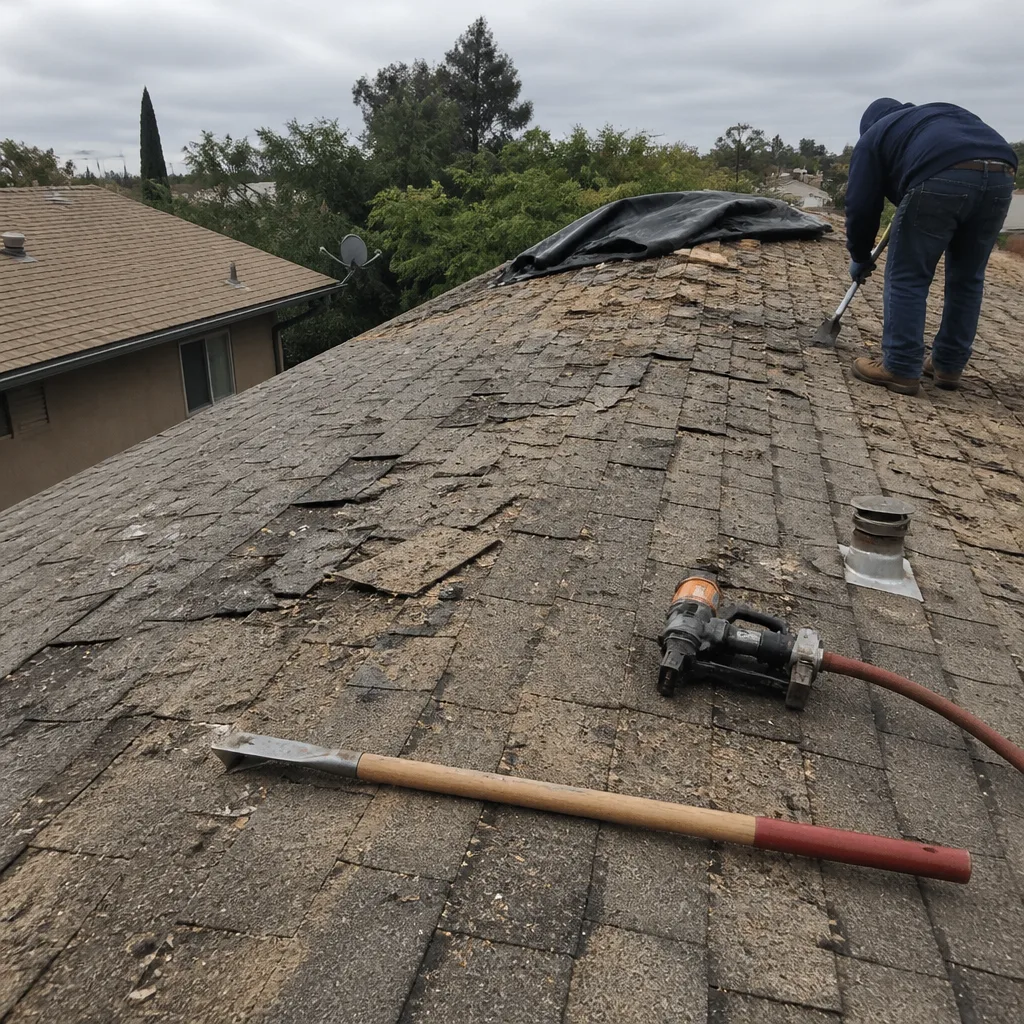 Before
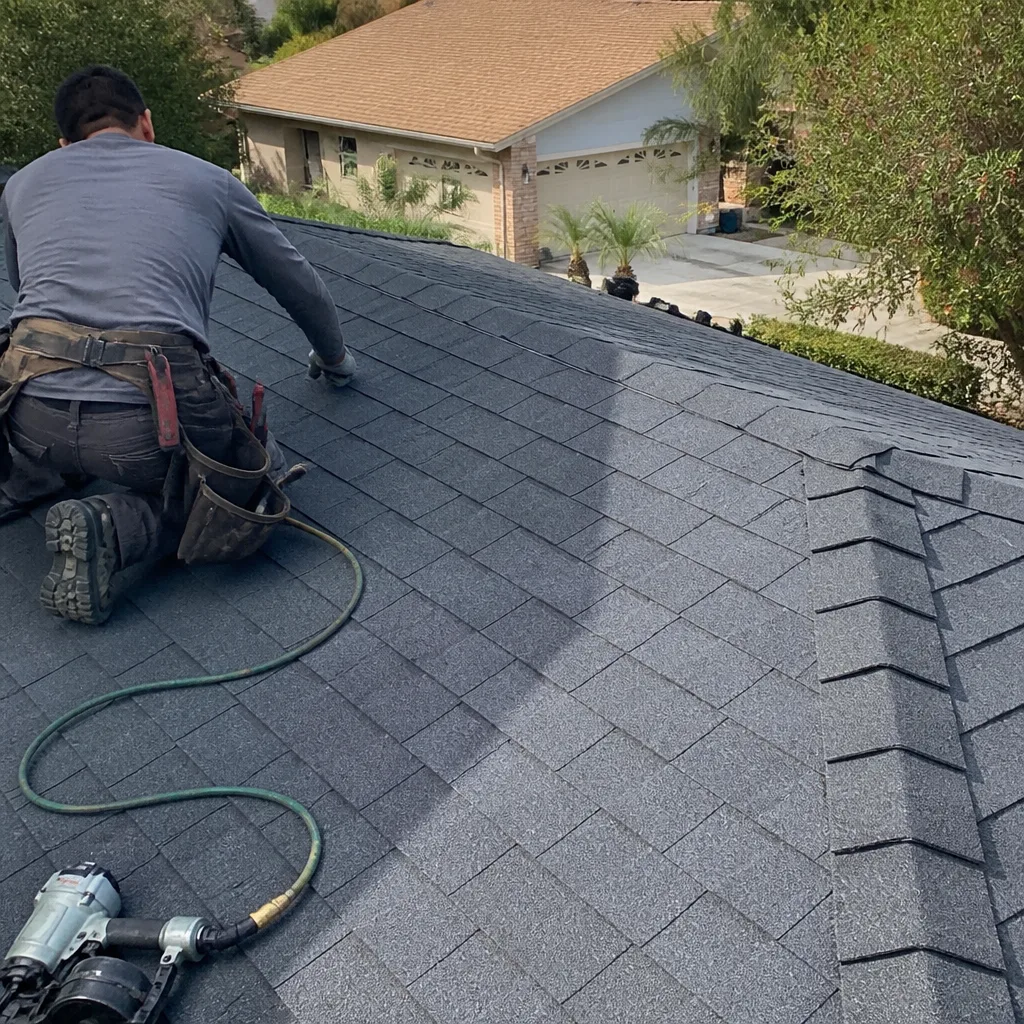 After
When to Call a Professional
Call a professional roofer immediately if you see water staining on the ceiling, shingles on the ground after a wind event, daylight through the attic roof deck, or ember residue around roof vents after a wildfire event. Also call if your roof is over 20 years old and has never had a documented inspection; the failure that’s about to happen is worse than the one you can see. Van Nuys Roofing Co offers free estimates in Van Nuys. Call (866) 321-6172 to schedule a roof assessment. We inspect first, recommend second. Repair or replace, we’ll tell you which one actually makes sense.
Frequently Asked Questions
Emergency roof repair in Van Nuys typically costs $400 to $1,800 depending on the extent of damage, the roof type, and whether temporary tarping is required before permanent repair. A minor shingle replacement runs toward the low end; a damaged section requiring deck repair and re-flashing runs higher. Call (866) 321-6172 for an exact quote after an inspection. Estimates are free.
Most California homeowner’s policies cover wind damage from Santa Ana events, but coverage depends on the specific policy, the deductible, and whether the damage is documented properly before any repairs are made. Your roof’s age and condition at the time of the event also matter; insurers may depreciate coverage on roofs over 25 years old. Photograph everything before touching anything, then call your adjuster.
You can tarp your roof from inside the attic or from a ladder at the eave line if the roof is accessible without walking on it, but do not climb onto a damaged or wet roof surface. From outside, place the tarp over the damaged area and secure it with 2x4s at the edges, not just at the corners. This is a temporary measure only. A professional repair should follow within 72 hours.
Van Nuys requires a building permit for roof replacement and for structural roof repair. Minor shingle replacement and isolated flashing repair may not require a permit, but any repair that involves deck replacement or structural framing does. A contractor who says you don’t need a permit for a full roof replacement is not doing legal work. Check with the Los Angeles Department of Building and Safety for your specific scope.
A typical composition shingle roof replacement on a Van Nuys single-family home takes 3 to 5 working days, weather permitting. Tile and metal replacements take longer, typically 1 to 2 weeks. Emergency repairs after a storm may take 2 to 4 weeks depending on the current backlog, which is why we recommend documenting damage immediately and getting on the schedule. Call (866) 321-6172 for a current timeline estimate.
Class A rated composition shingles, tile, and standing seam metal all provide good ember resistance. Tile is generally the best for ember wash material, but the underlayment and the eave details matter as much as the tile surface. Any material you choose must be installed with ember-resistant vents and sealed eave assemblies to be effective in a fire watch. We can walk you through the specific products from GAF, CertainTeed, Owens Corning, IKO, Atlas, Tamko, and Boral so you can compare what actually works for your home.
The Bottom Line
Roofing emergencies in Van Nuys are not random. They emerge from three predictable triggers: Santa Ana wind events that lift and strip shingles, atmospheric rivers that flood through the resulting openings, and ember wash that finds unsealed eaves and vents. The difference between a manageable repair and a major claim is preparation: knowing your roof’s specific vulnerabilities by home era and neighborhood, documenting damage before touching anything, avoiding storm chasers, and having a relationship with a roofer who knows Van Nuys construction. The most important step you can take today is a roof inspection that establishes a documented baseline. When the next wind event hits, the homeowner with a documented roof and a roofer on speed dial is the one who sleeps through the storm. The one who waits is the one calling at 6 a.m. with a bucket in the living room.
Written by the team at Van Nuys Roofing Co, serving Van Nuys since 2015.