
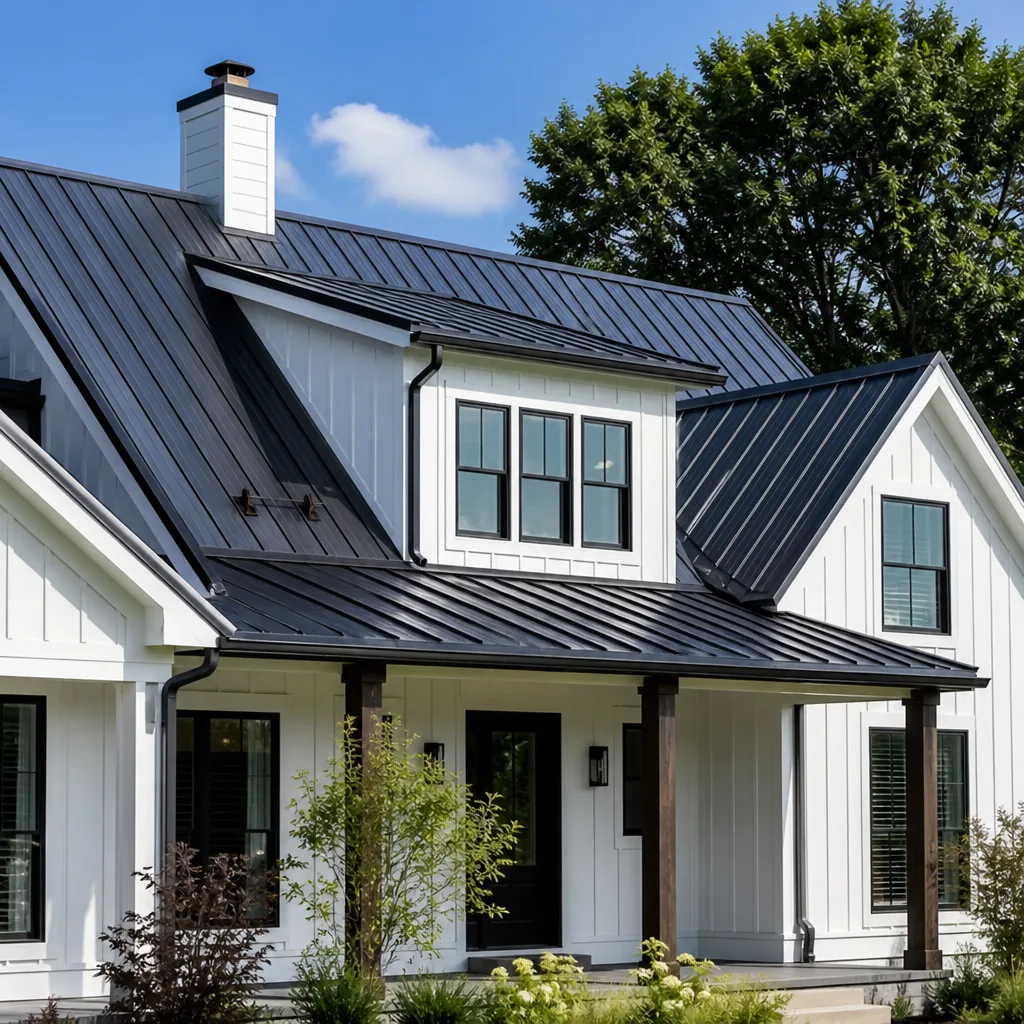
 Metal roofing
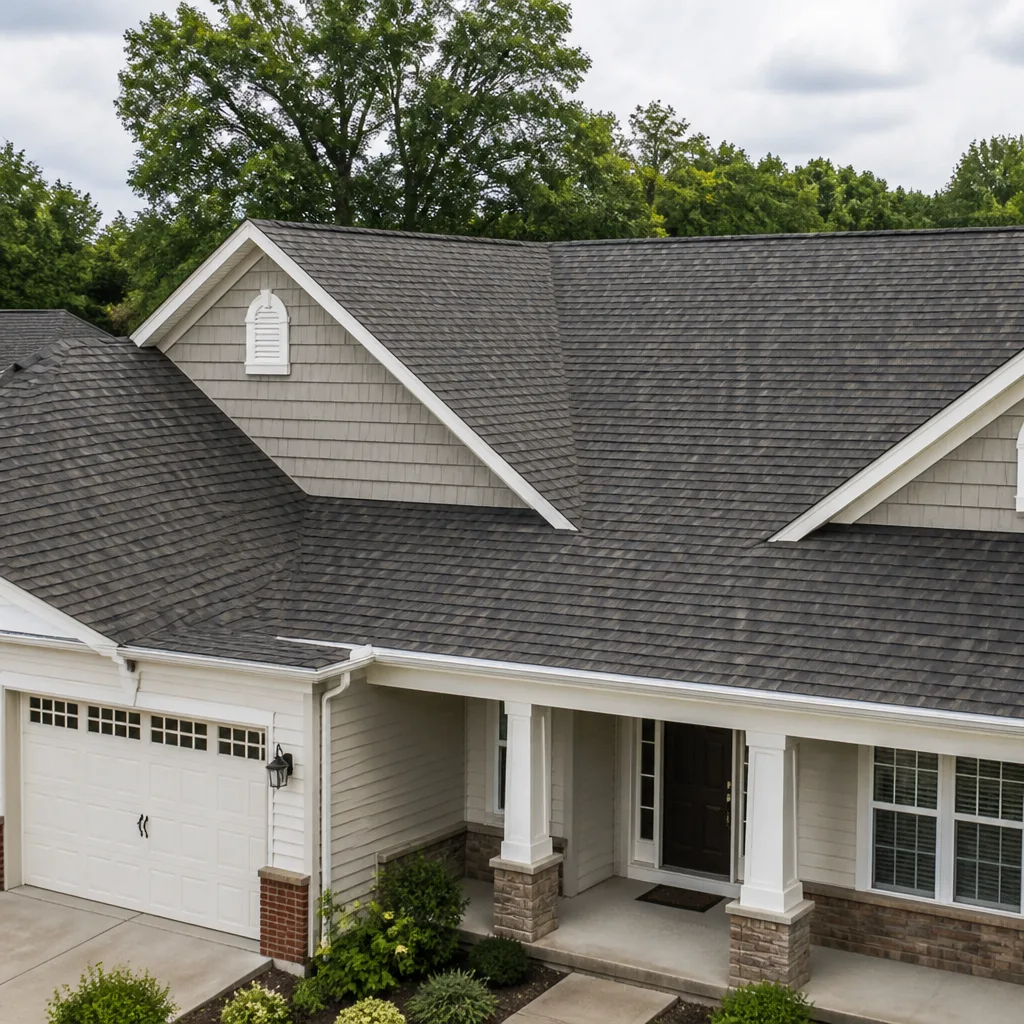
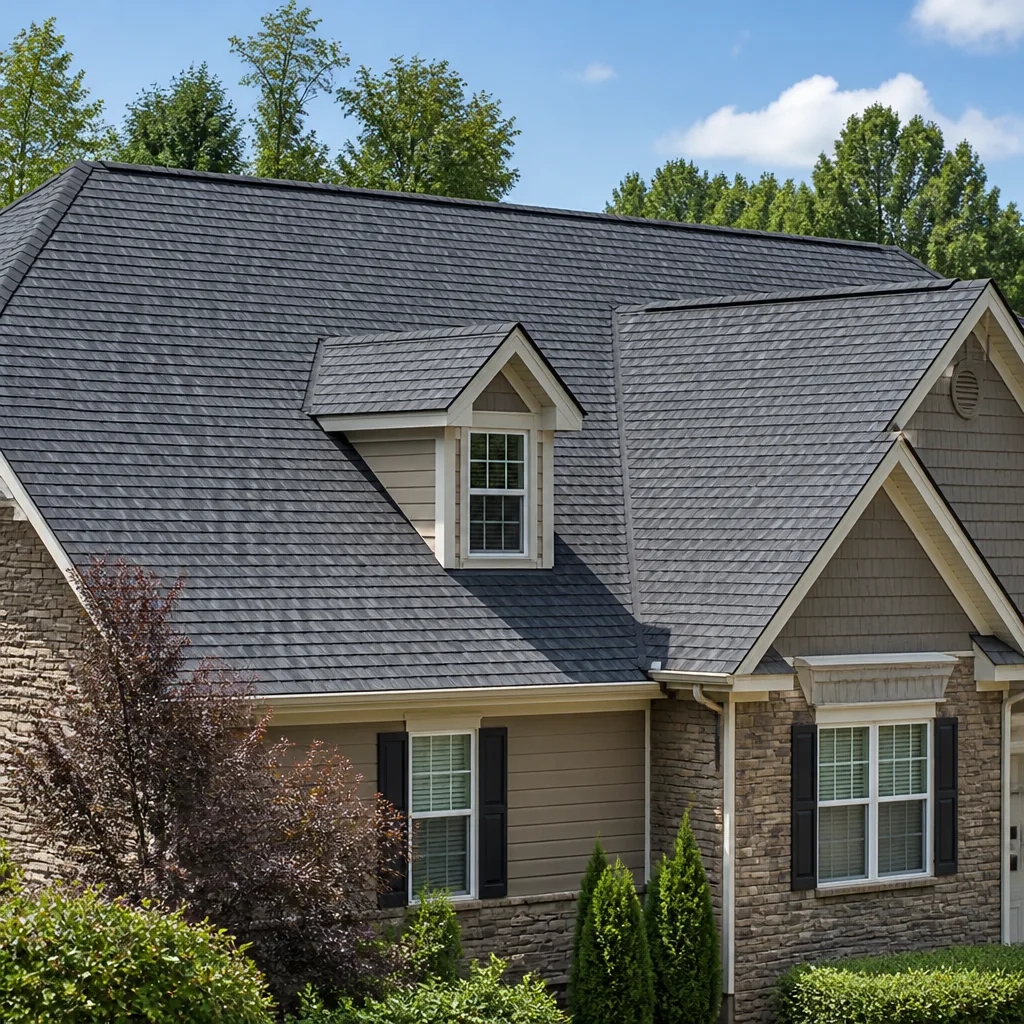
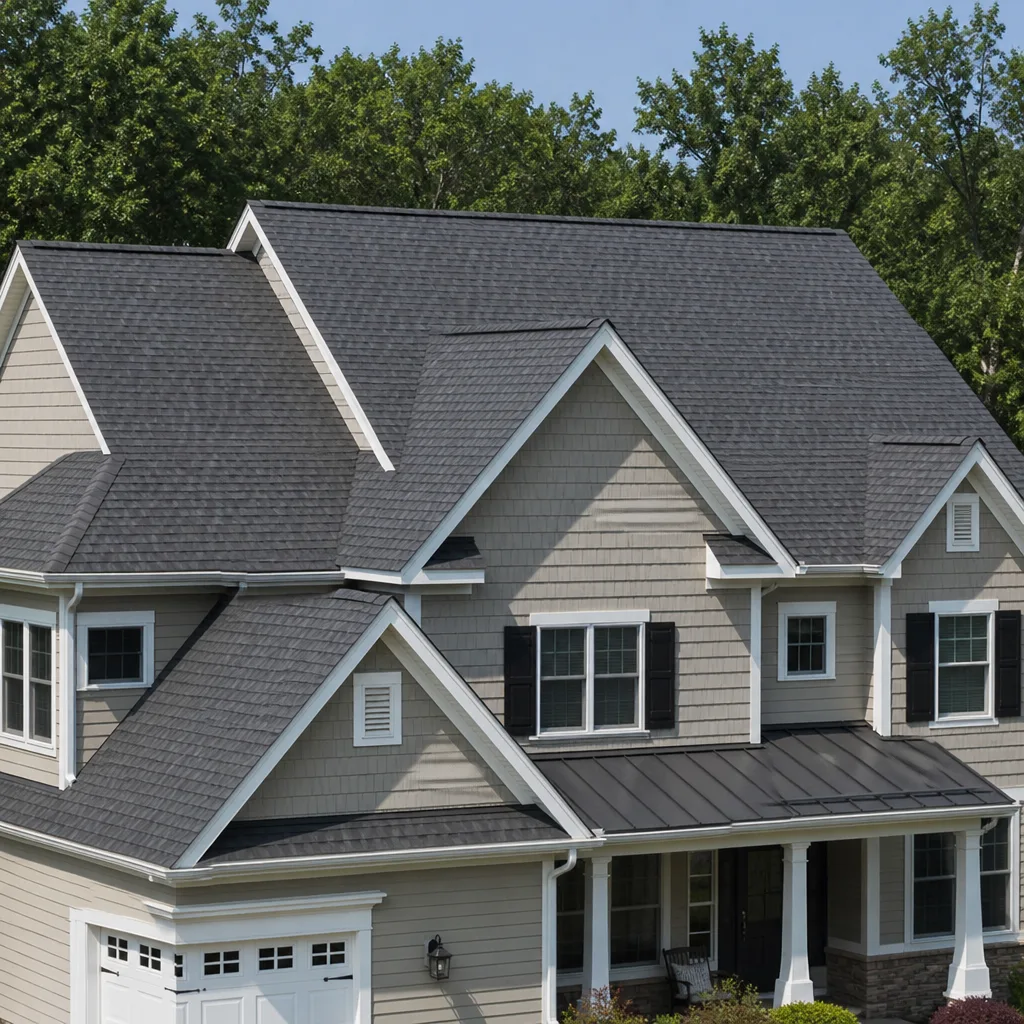 Architectural shingles
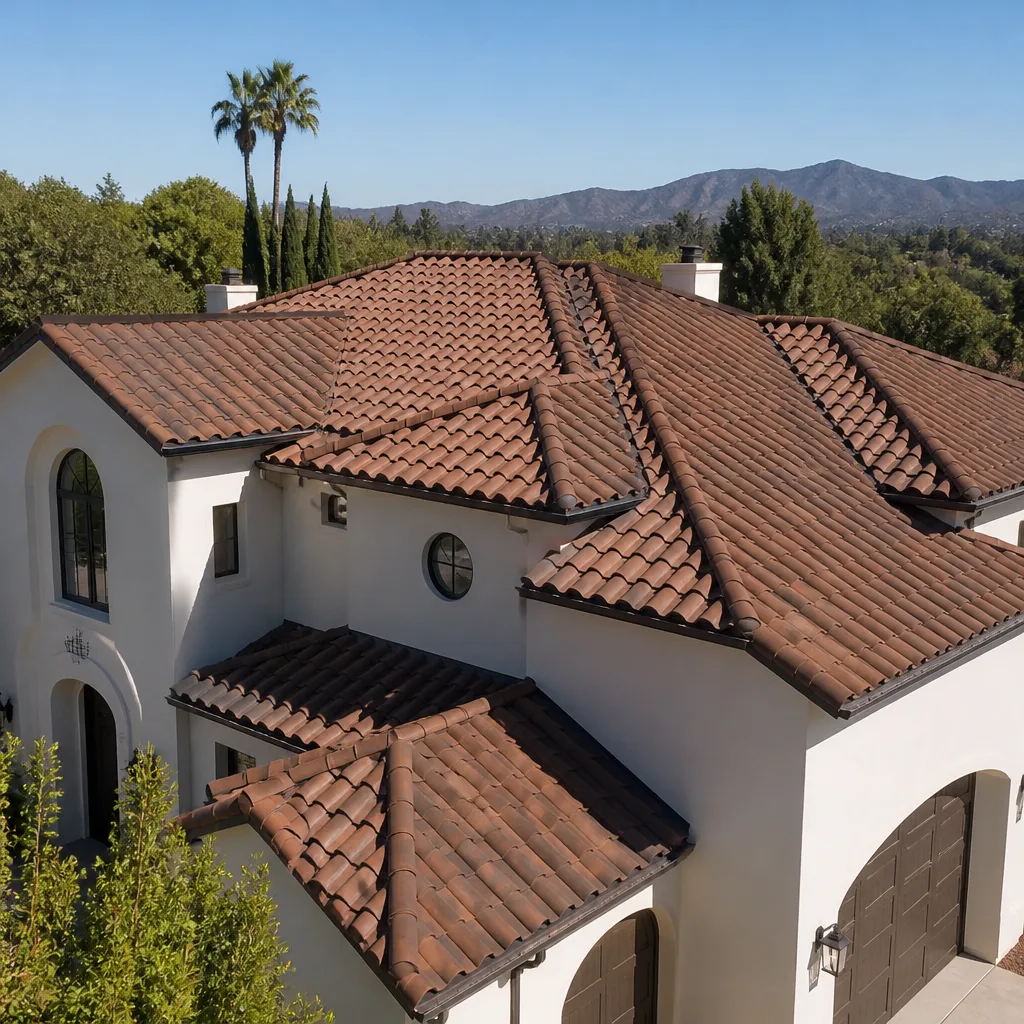 Tile roofing
 GAF
 Owens Corning
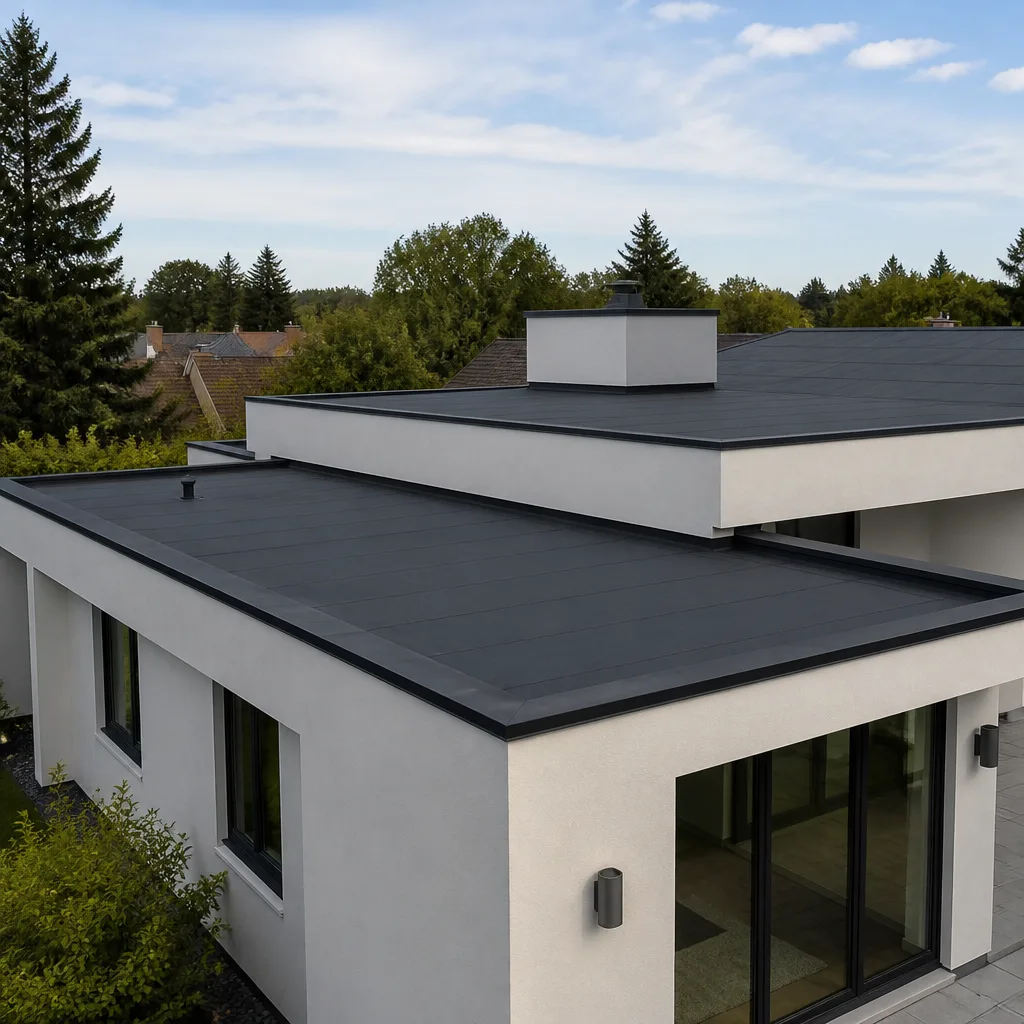 Flat & low-slope
Free roof inspection with deck photos before we talk money - GAF and Owens Corning certified installation
Fast, Reliable Roof Replacement Across Running Springs
A full roof replacement in Running Springs typically runs between $11,000 and $28,000 depending on pitch, square footage, decking condition, and the fire-rated assembly required at this elevation. Most tear-offs on mountain cabins here take 3 to 7 working days once materials are staged. If you’re weighing repair against replacement on a shake or aging shingle roof at 6,000 feet, call (866) 321-6172 and we’ll walk you through a straight answer before you spend a dime.
We work up and down the 330 and 18 corridors every week, so Running Springs isn’t a trip for us, it’s our regular route. Snow load, ice damming, wildfire exposure, pine needle buildup in valleys – these aren’t abstract concerns in the San Bernardino Mountains. They’re the daily reality that determines which underlayment, which assembly, and which material actually hold up on your roof.
Why Van Nuys Roofing Co Is Running Springs’s Preferred Roof Replacement Company
Running Springs homeowners call us because we don’t walk onto a mountain property and try to sell the same roof we’d put on a track home in the flats. The difference up here is real: a replacement roof has to satisfy wildland-urban interface fire code while also shedding snow without ice damming at the eave. Our crew handles both layers of the job, and we can point to specific tear-offs on cabins along Hilltop Boulevard, off Live Oak Drive, and down toward the 92382 corridor where the detail work made the difference.
We inspect first, recommend second. On more than a few Running Springs properties, the honest finding was that a full replacement could wait another two or three seasons with targeted repair. That’s not what a commission-driven roofer wants to say. It’s what we’ll tell you if it’s true. When replacement is warranted, our seven-brand fluency means the recommendation follows your roof’s exposure and your budget, not a supplier quota.
Styles & brands we work with
Roof Installation in Running Springs
Roof Installation in Running Springs means building an assembly that handles a mountain climate, not just nailing shingles to plywood. A correct install at this elevation starts with the decking inspection, then ice and water shield in valleys and at penetrations, drip edge around the full perimeter, starter strip, and a fire-rated underlayment before the finished material ever touches the roof. Skip any one of those layers and the first heavy winter will find it.
Full Roof Replacement
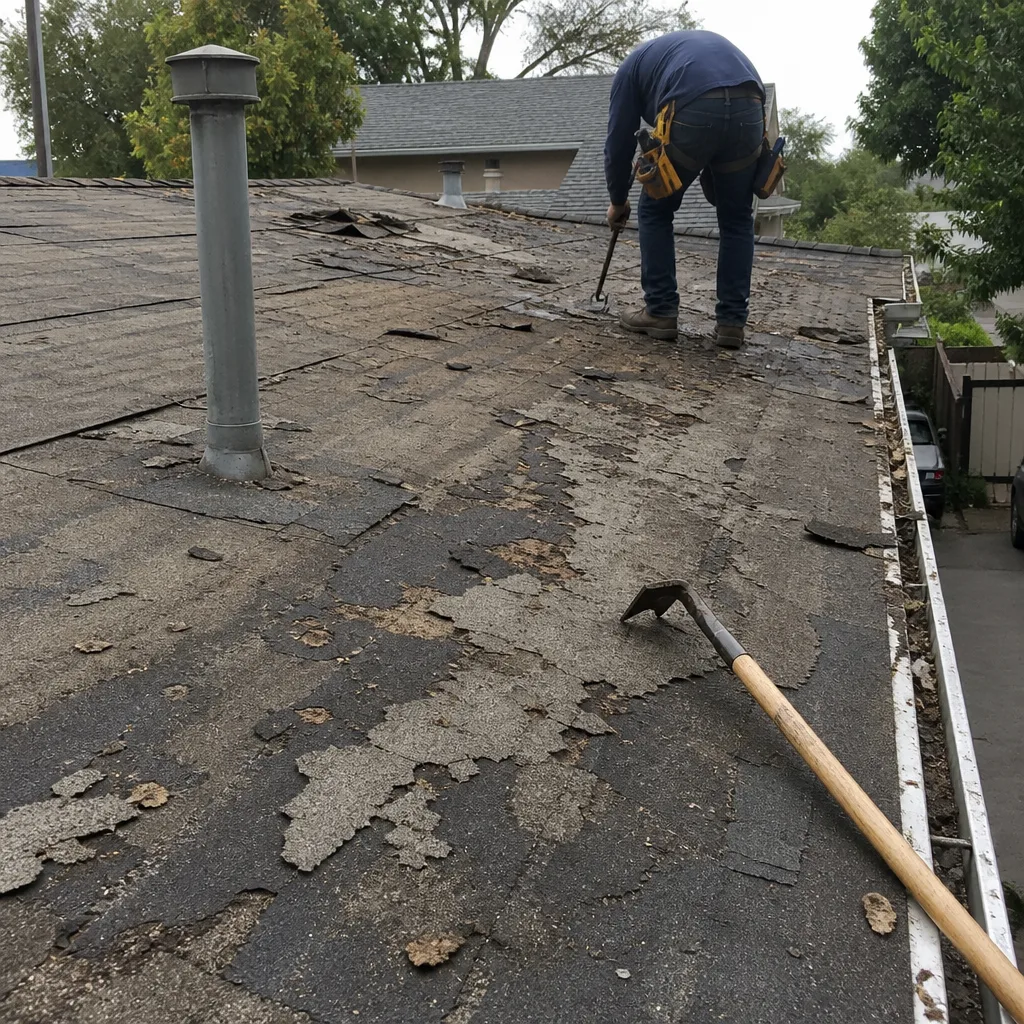
For most Running Springs homes built between the 1960s and 1980s, full replacement is the point where you stop patching and start fresh. We tear down to the sheathing, inspect every sheet for rot and snow-load stress, replace what’s soft, and rebuild the system that carries whatever material you choose – often architectural asphalt shingle given the slope, sometimes metal on the steepest pitches. Expect $11,000 to $22,000 for a typical mountain cabin roof with standard framing.
New Construction
If you’re building or adding on a Running Springs parcel, the roof has to be right on day one. We coordinate with your framer or general, pull the relevant county requirements, and install to the WUI standard that applies to your specific parcel. A tight lot with a steep pitch changes the staging math, which we’ll get to below.
Roof Replacement Contractor in Running Springs
A Roof Replacement Contractor in Running Springs has to be someone who’s read the county’s wildland-urban interface sheets and actually installed to them, not someone who skimmed a summary. That’s where multi-brand technical training pays off. GAF, CertainTeed, Owens Corning, IKO, Atlas, Tamko, and Boral each publish their own fire-rated assembly details, and the fastener patterns and underlayment requirements differ. We know the distinctions, which matters when the inspector walks the job.
Roof Decking Replacement
On older Running Springs cabins, decking replacement is rarely optional once the tear-off exposes what’s beneath. Two layers of old shake over rotted sheathing is common up here. We replace soft decking at the eave and wherever snow melt has wicked under the old roof, then install to current load requirements. Budget $2 to $4 per square foot for replacement sheathing beyond what the main bid covers.
Architectural Shingles
Architectural shingles hold up well under the freeze-thaw cycles that cycle through Running Springs each winter and the intense UV that beats down at altitude in the summer. The laminated construction resists wind uplift on exposed ridge lines better than three-tab, and the visual weight suits a mountain aesthetic better than a thin, cheap shingle ever will.
Trusted Brands We Service in Running Springs
Our crew is trained and experienced across seven leading material manufacturers: GAF, CertainTeed, Owens Corning, IKO, Atlas, Tamko, and Boral. If you have a specific brand in mind or a warranty you want to preserve, we install to that manufacturer’s spec. For most Running Springs homes, certain product lines from GAF and CertainTeed get specified more often because their fire-rated assembly details integrate cleanly with the snow and ice work this climate demands. We also work regularly with Tamko and Boral on specific customer requests. Parts and materials for Running Springs jobs are ordered from local supply yards, so turnaround while work is underway doesn’t stall for a delivery from down the hill.
See the difference
 Before
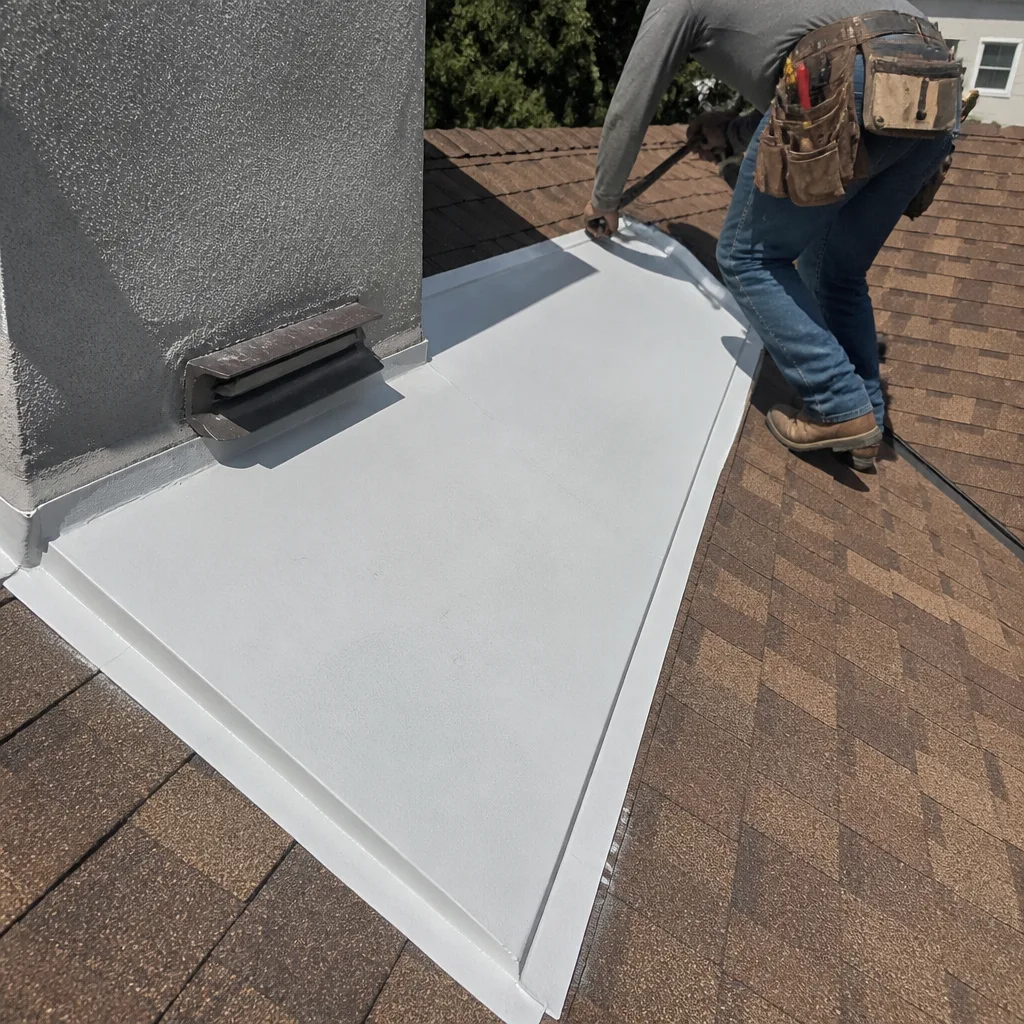 After
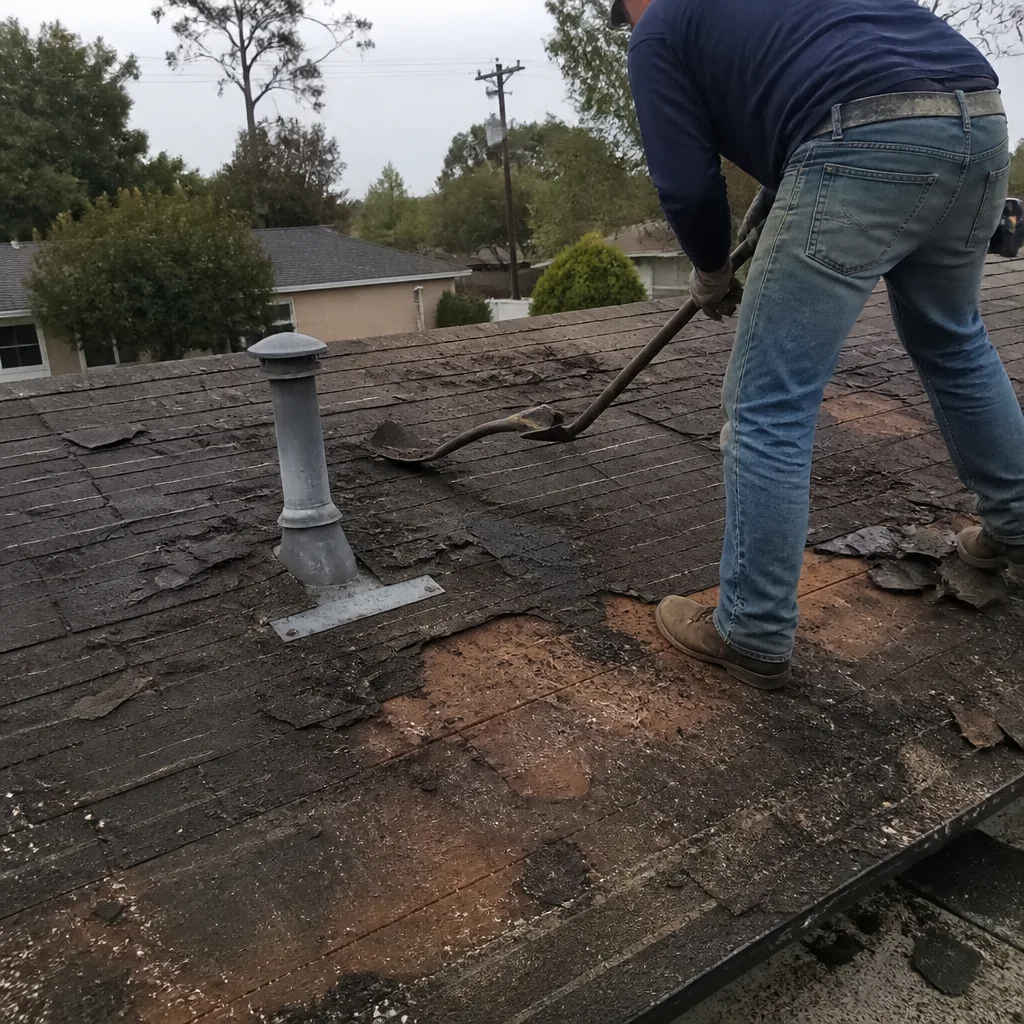 Before
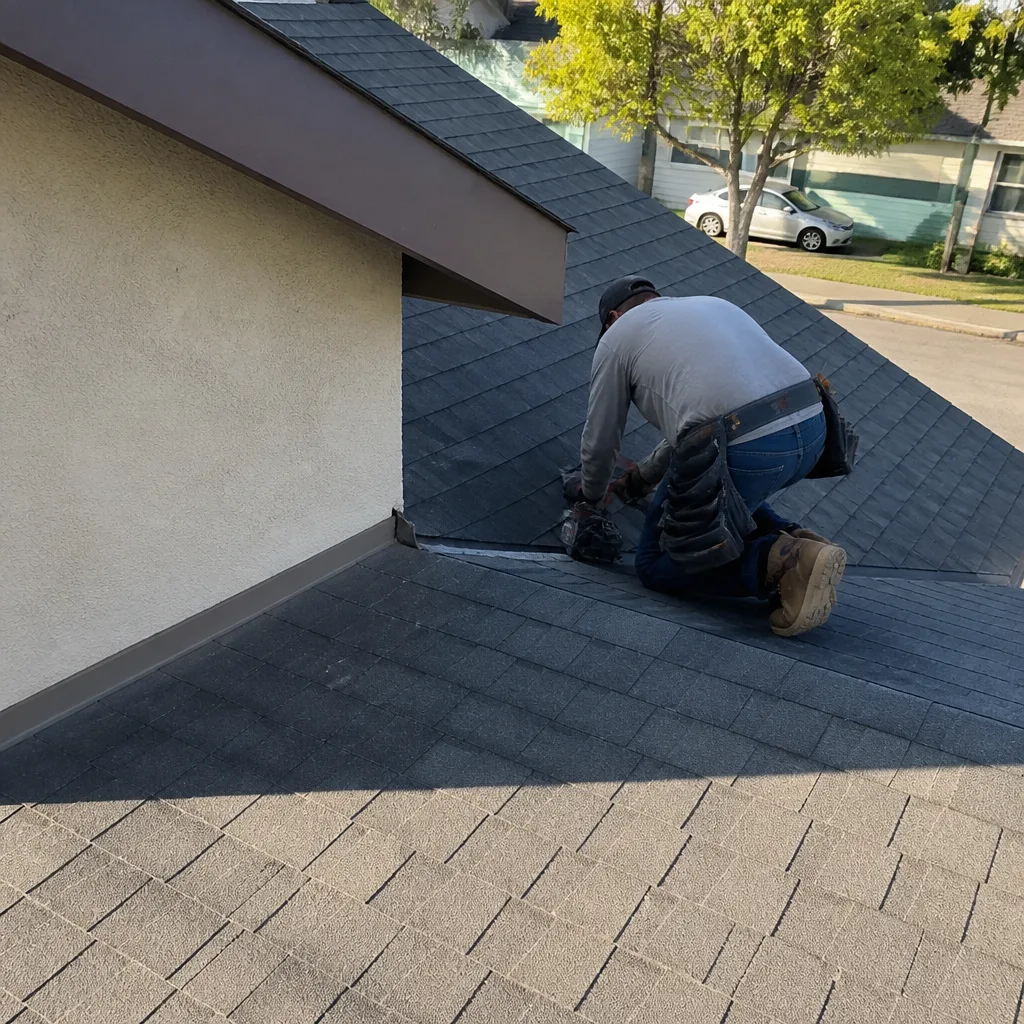 After
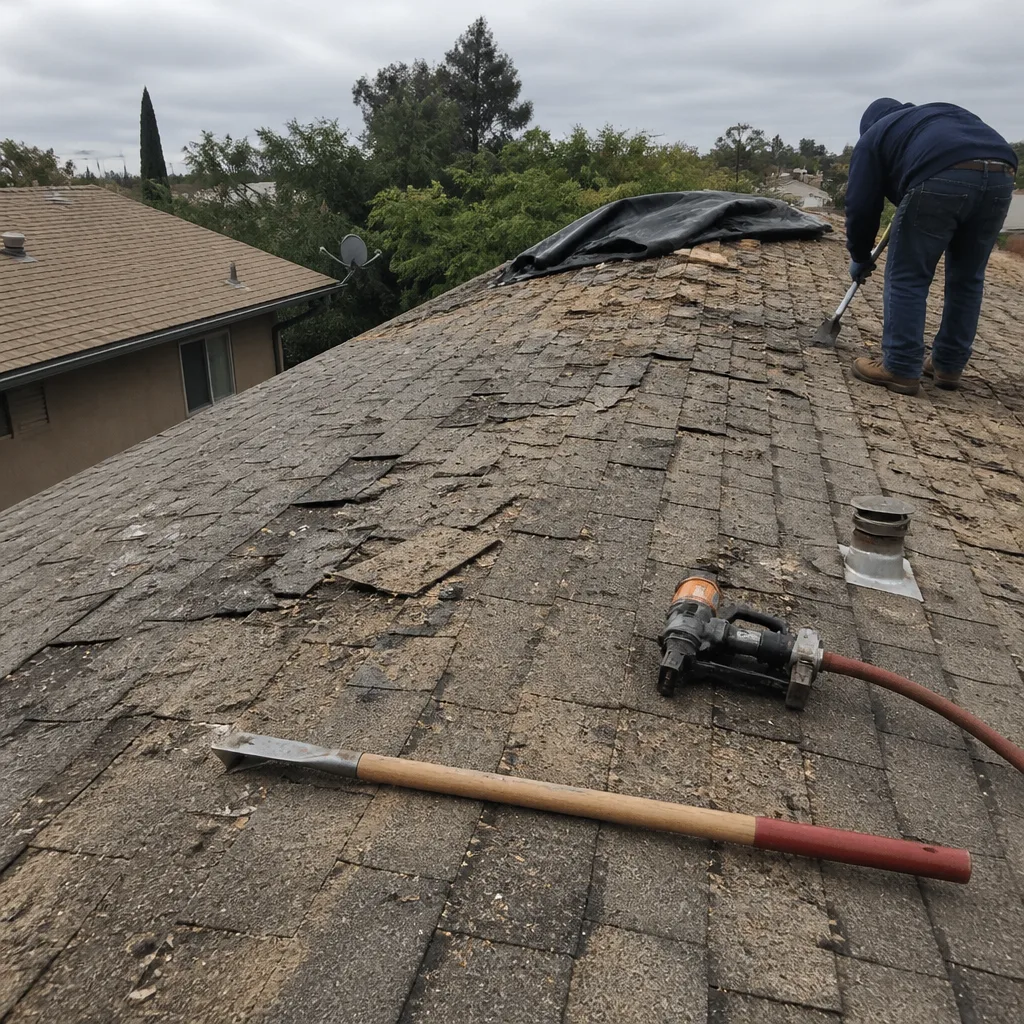 Before
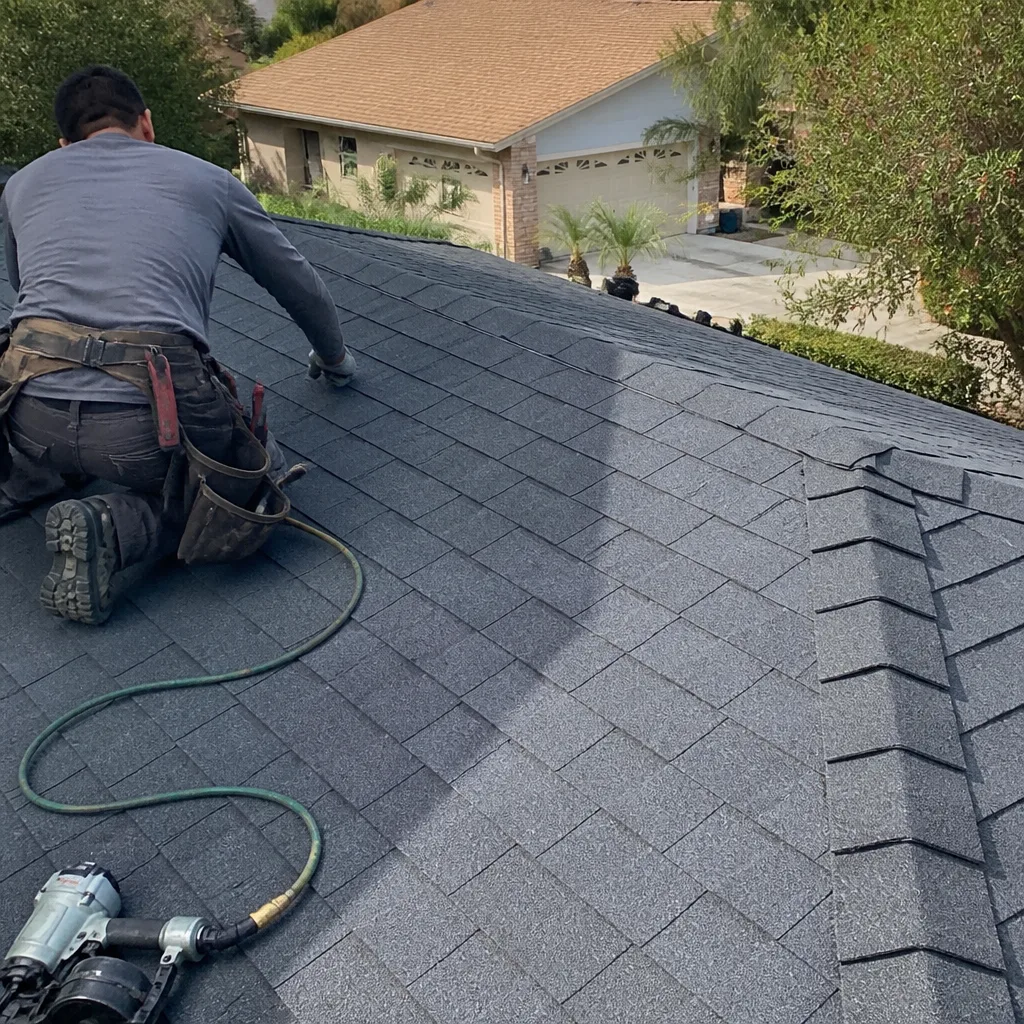 After
Common Roof Replacement Problems We See in Running Springs Homes
- Re-roofing over old shake without pulling the decking. It hides rot and snow-load-damaged sheathing that only reveals itself after the first real winter. We strip to the frame and inspect every sheet before we rebuild.
- Missing ice and water shield in valleys and at penetrations. Pine needles pack into those seams, hold moisture, and freeze into ice dams that lift shingles and rot the eave. The failure stays invisible until it stains a ceiling.
- Poor staging on a constrained mountain parcel. A dumpster or material pile blocking a shared driveway or access easement stalls the job and draws a county code complaint mid-tear-off. We plan staging on the first site visit, not the morning of.
- Underestimating the fire-rated requirements at 6,000 feet. A roof that passes in the low desert won’t pass a Building and Safety review up here. WUI-compliant assembly details are not an upgrade, they’re the baseline.
Pricing for Roof Replacement in Running Springs, CA
A full Roof Replacement on a Running Springs cabin or mountain home generally lands between $11,000 and $28,000. Smaller one-story cabins with simple gable roofs and no decking surprises start near the low end. Larger full-time residences with steep multi-plane roofs, double-layer tear-off, rotted sheathing replacement, and a full fire-rated assembly climb toward the top. Flat roofing sections over a garage or addition run $3,500 to $7,000 as part of a larger job. The honest way to know your number is a site walk. Call (866) 321-6172 and we’ll inspect, measure, and send a written line-item bid with no change-order games later.
We Also Serve Cities Near Running Springs
Our mountain route includes Lake Arrowhead, Highland, Mentone, and Crestline, so if you have a second property or a neighbor on a different part of the hill, the same crew can take a look. We schedule several days a week across the San Bernardino Mountains during building season, which keeps travel waste out of your bid. That includes coverage throughout the 92382 ZIP and the unincorporated county parcels around it.
Serving Running Springs, CA — Our Local Coverage Area
We’re based in the Running Springs area and know this community well. Use the map below to see our service coverage — if you’re nearby, we can almost certainly help.
FAQs About Roof Replacement in Running Springs
The staging plan is often the biggest variable on a tight mountain lot. If there’s no room for a dumpster plus a crew truck, we stage debris downhill or off-site and cycle the tear-off out in small loads. That labor adds a few hundred dollars to a typical bid, but it prevents a blocked shared driveway or an access easement conflict. Call (866) 321-6172 and we’ll assess your specific parcel before quoting.
If your roofline ties into a neighbor’s or you share a wall or driveway, written notice isn’t just courteous, it’s often built into county work permits and HOA rules on the mountain. We prepare the notice and handle the conversation before tear-off begins. It keeps the job moving without a mid-project complaint.
At minimum, a Class A fire-rated assembly is required for most Running Springs properties in the wildland-urban interface zone. In practice, that means a specific combination of rated underlayment, eave protection, and a fire-resistant outer layer, installed to the manufacturer’s tested assembly. GAF, CertainTeed, and others publish the exact combinations, and we install to whichever one fits your structural and budget constraints.
Yes, and you should. A tear-off is the only time you can properly install ice and water shield in valleys, at eaves, and around penetrations, which is precisely where mountain ice damming starts. Trying to retrofit ice protection without replacing the roof never goes far enough. We treat snow, fire, and water as one integrated build, not separate add-ons.
Pine needles aren’t just a cleanup issue, they’re a material-selection and detailing issue. Needles pack into valleys and against flashing, trap moisture, decompose into an acidic mat that degrades underlayment, and become ladder fuel for embers during a wildfire. On a replacement, we detail valley metal to shed needle accumulation faster and recommend fire-resistant materials that reduce the fuel risk.
Written by Rick Dominguez, Owner at Van Nuys Roofing Co, serving Running Springs and the San Bernardino Mountains.