
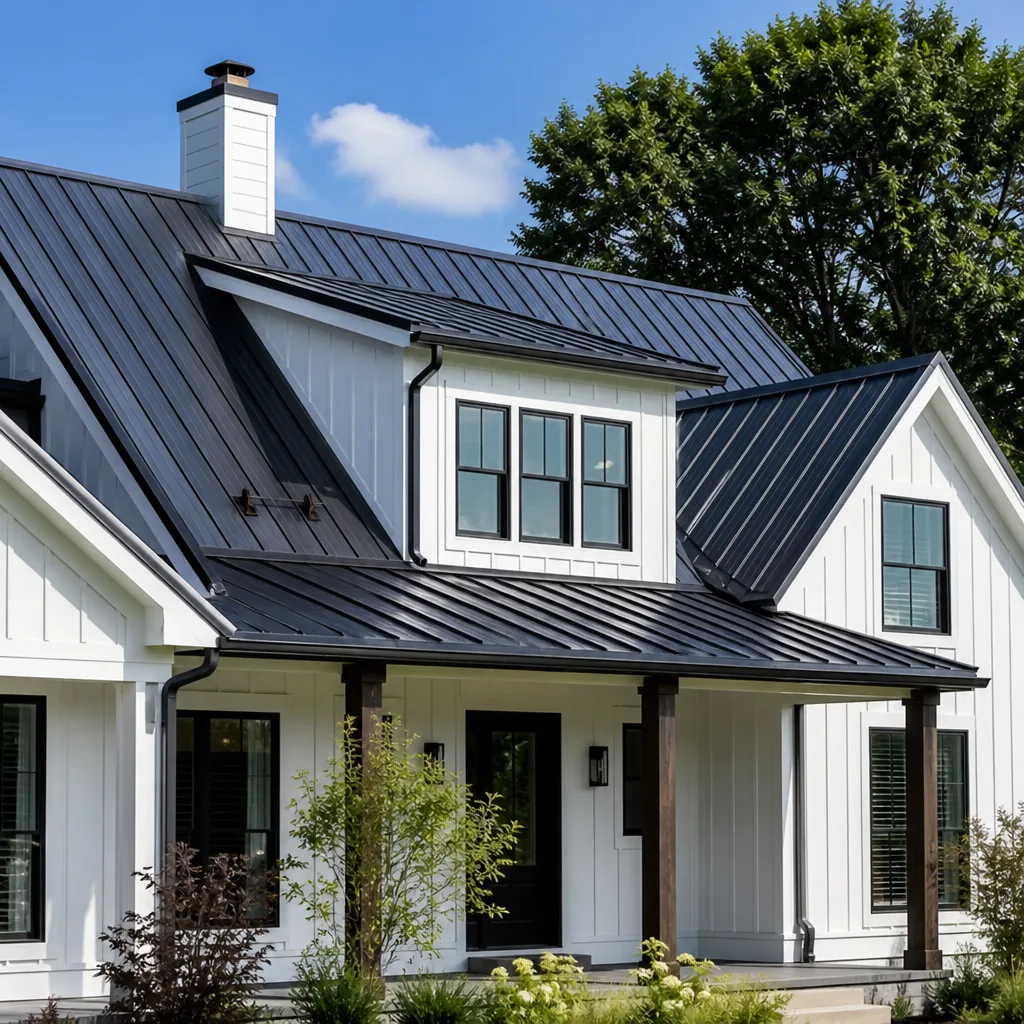
 Metal roofing
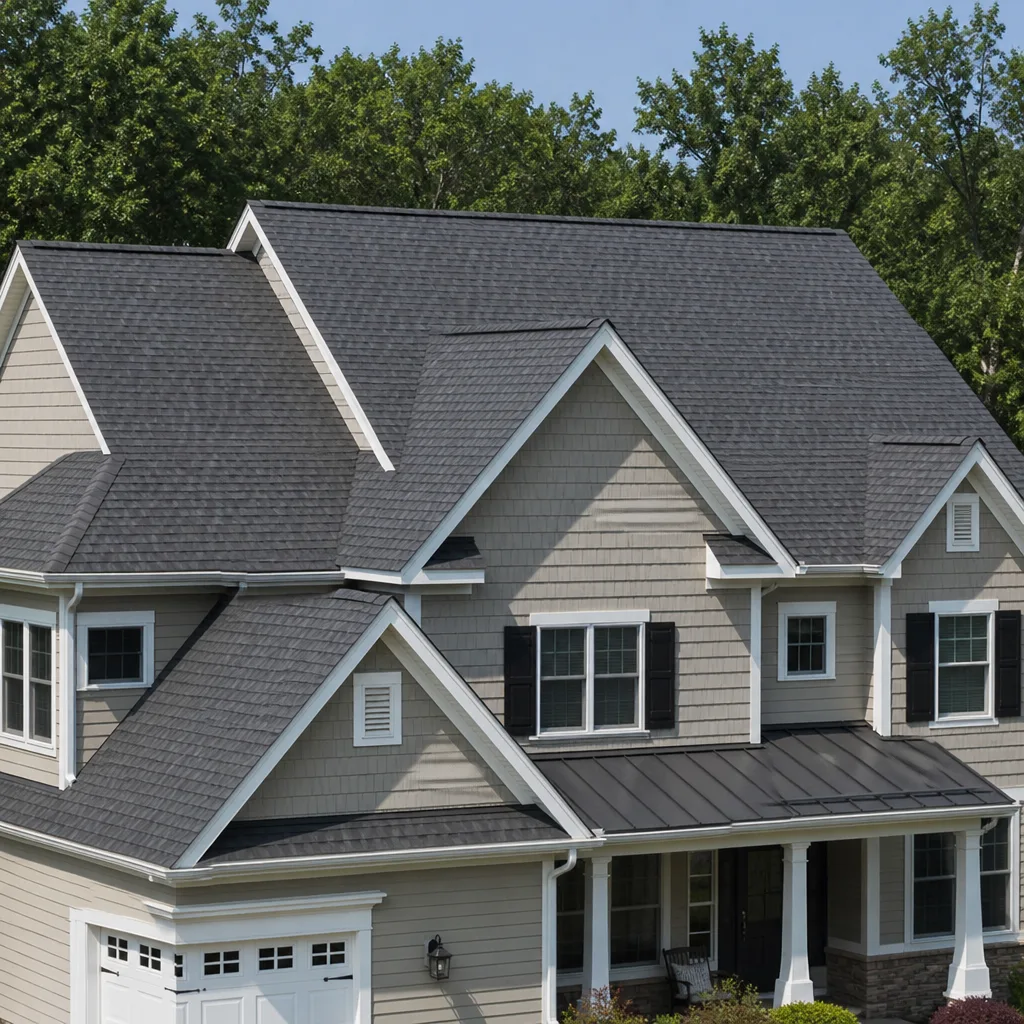 Architectural shingles
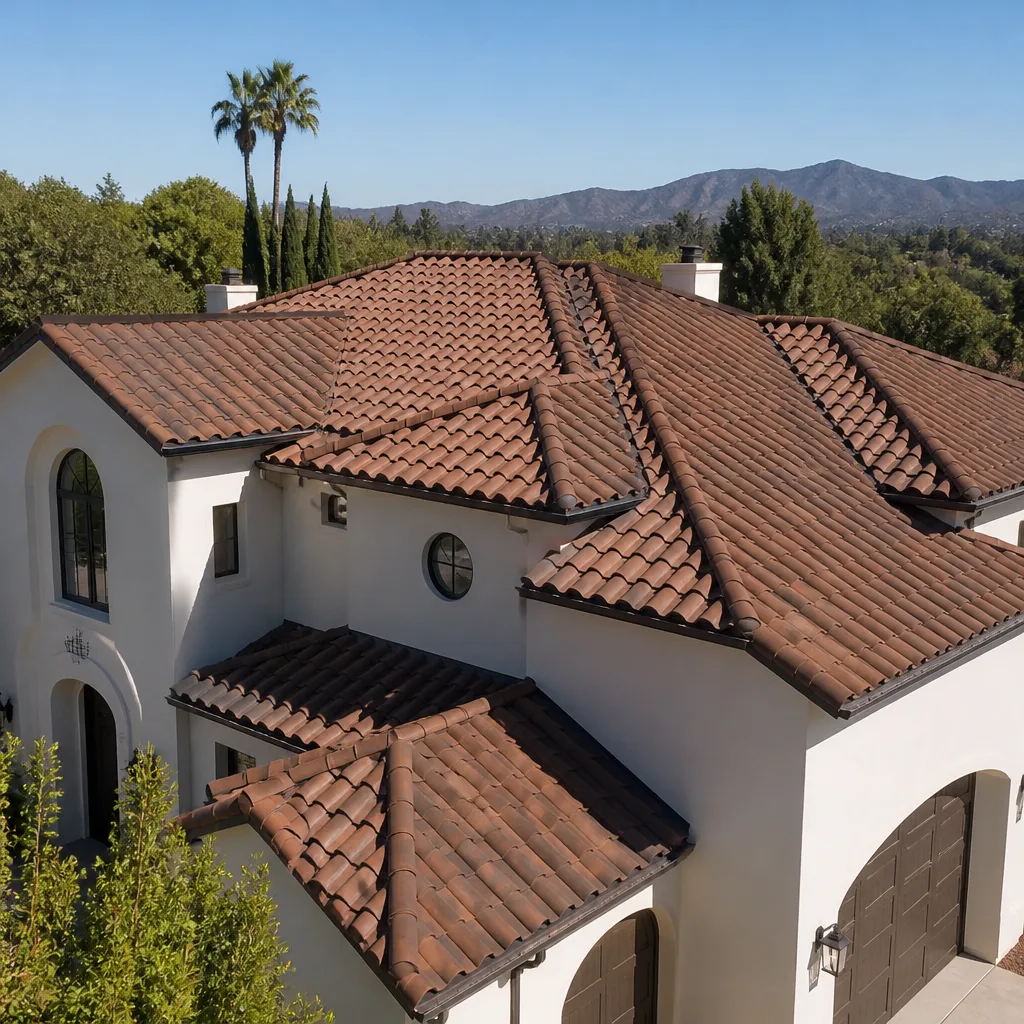 Tile roofing
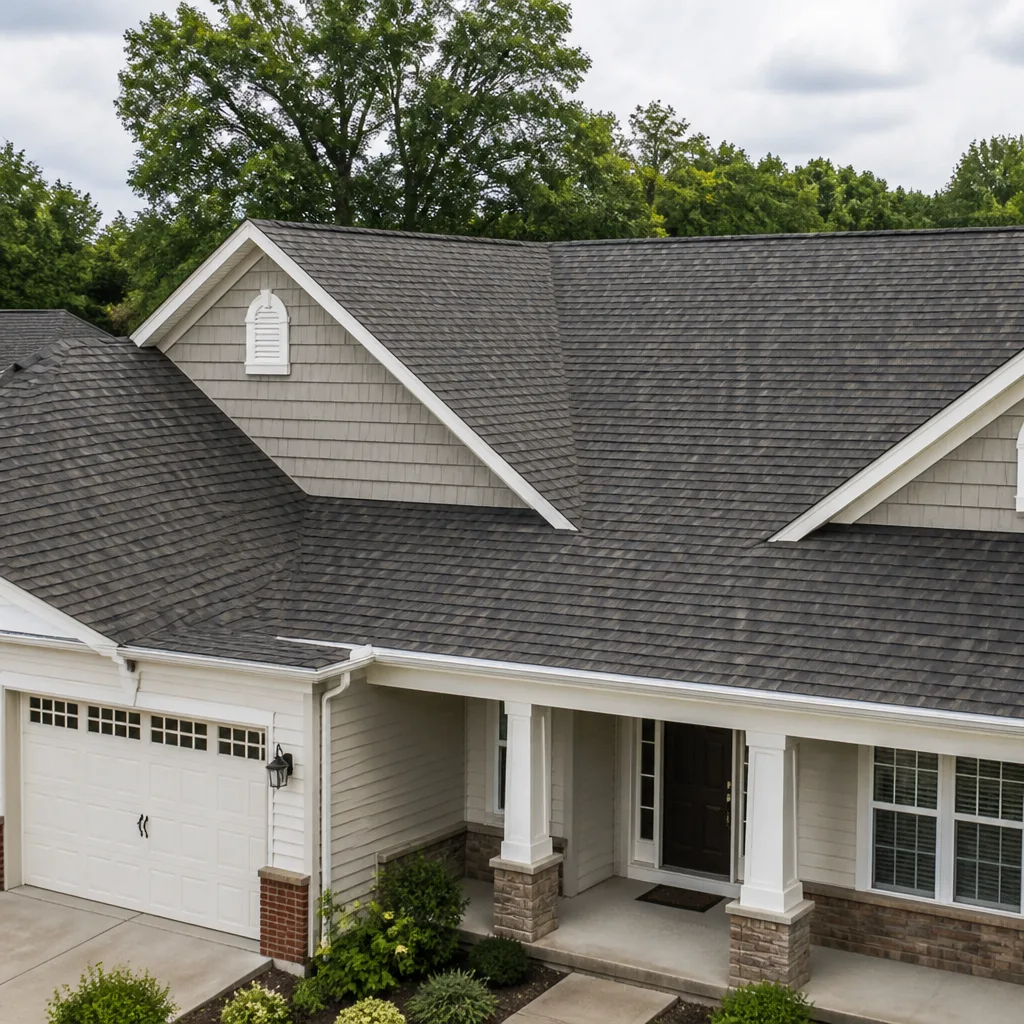 GAF
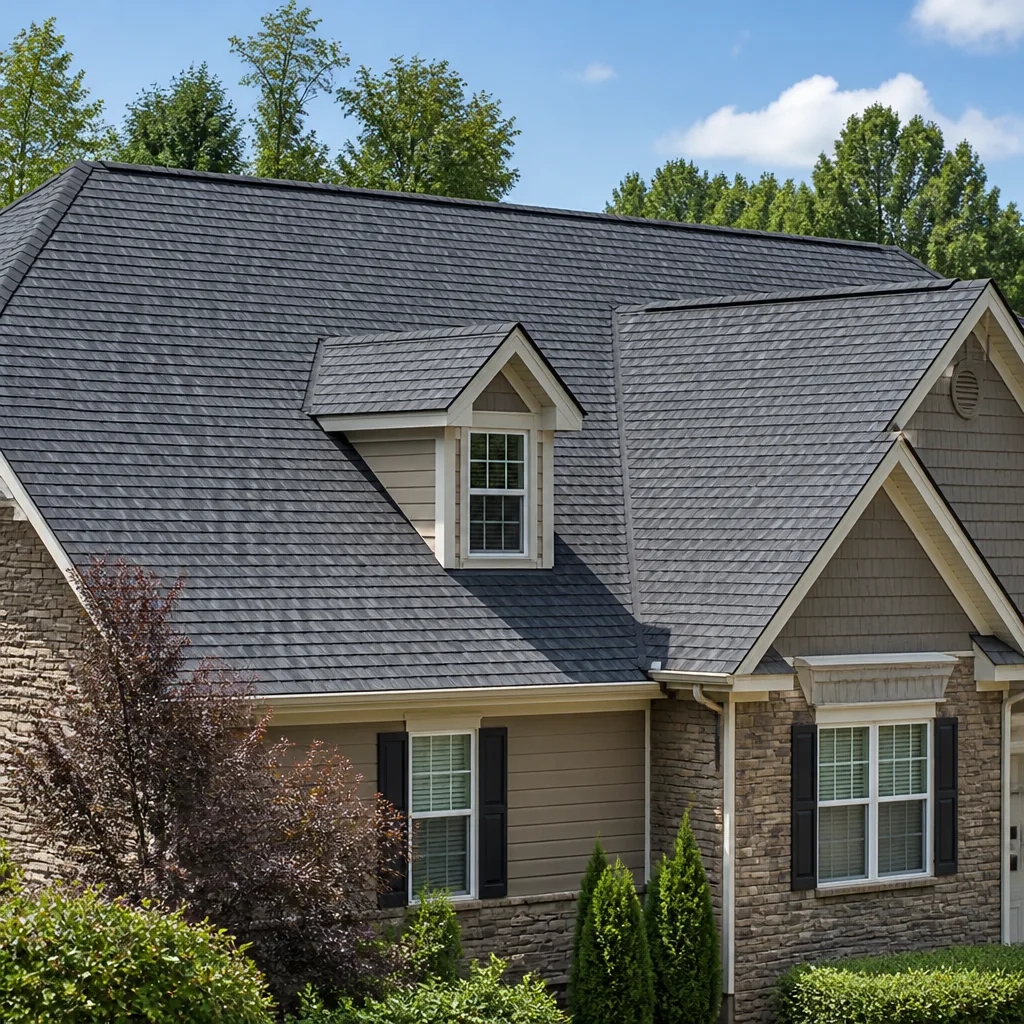 Owens Corning
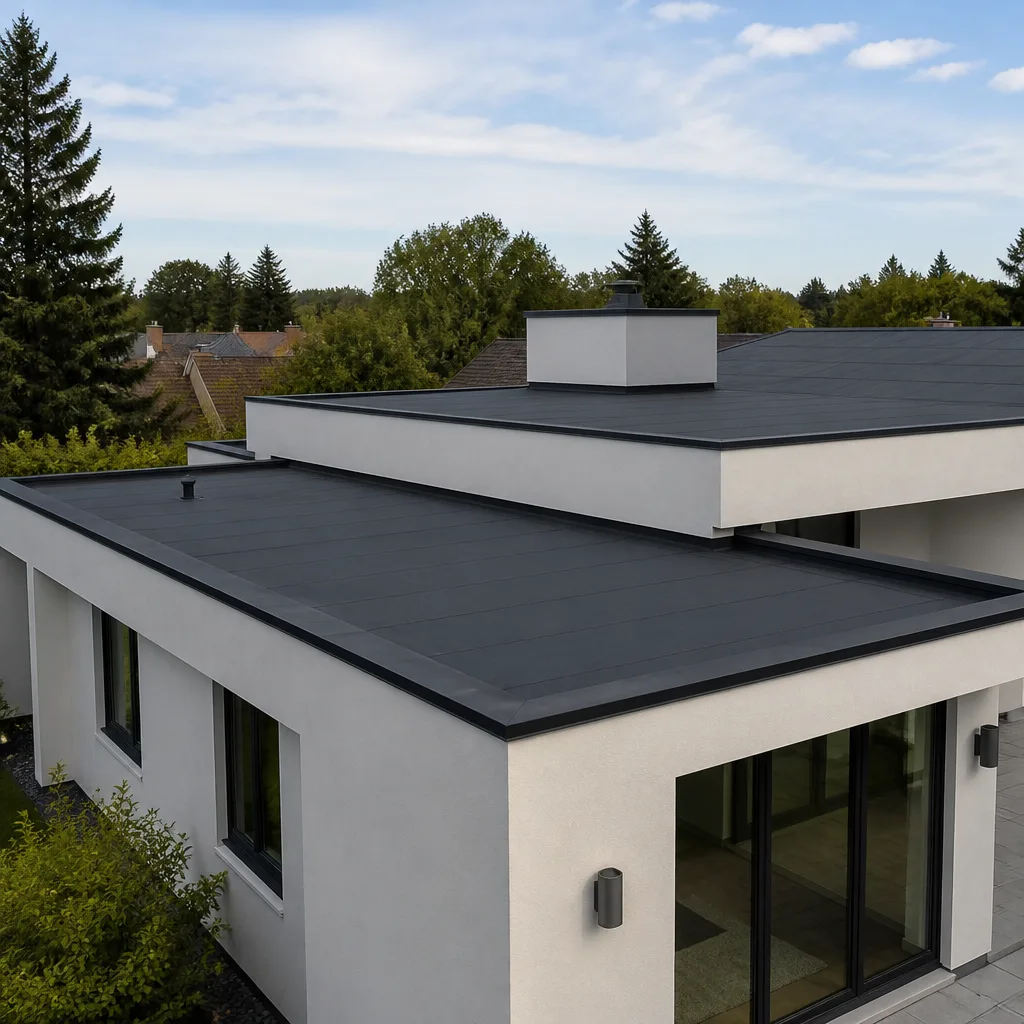 Flat & low-slope
Free roof inspection with deck photos before we talk money - GAF and Owens Corning certified installation
Roof Replacement in San Antonio Heights: What It Costs and How We Handle the Surprises
A full Roof Replacement in San Antonio Heights typically runs $12,000 to $28,000 for a standard single-family home, with most mid-century ranch-style houses landing between $14,000 and $22,000 depending on material choice and what we find under the old roof. The biggest cost variable here isn’t the shingle you pick. It’s what the tear-off exposes. Call (866) 321-6172 for a free estimate and we’ll walk your roof with you before any numbers get locked in.
San Antonio Heights sits hard against the San Gabriel Mountains, and that geography writes the specs for every roof we install here. The UV load is brutal in summer, Santa Ana winds hit 60+ mph on ridge lines, and fire season is no longer a season. It’s the year-round baseline. If your house was built between the 1950s and 1970s, there’s a real chance you’re sitting under an original wood-shake roof that your insurance carrier has already flagged or will flag at renewal. We’ll get into what that means below, but the short version: a roof replacement in San Antonio Heights isn’t a cosmetic refresh. It’s a fire-safety and insurability decision.
Why San Antonio Heights Homeowners Call Van Nuys Roofing Co
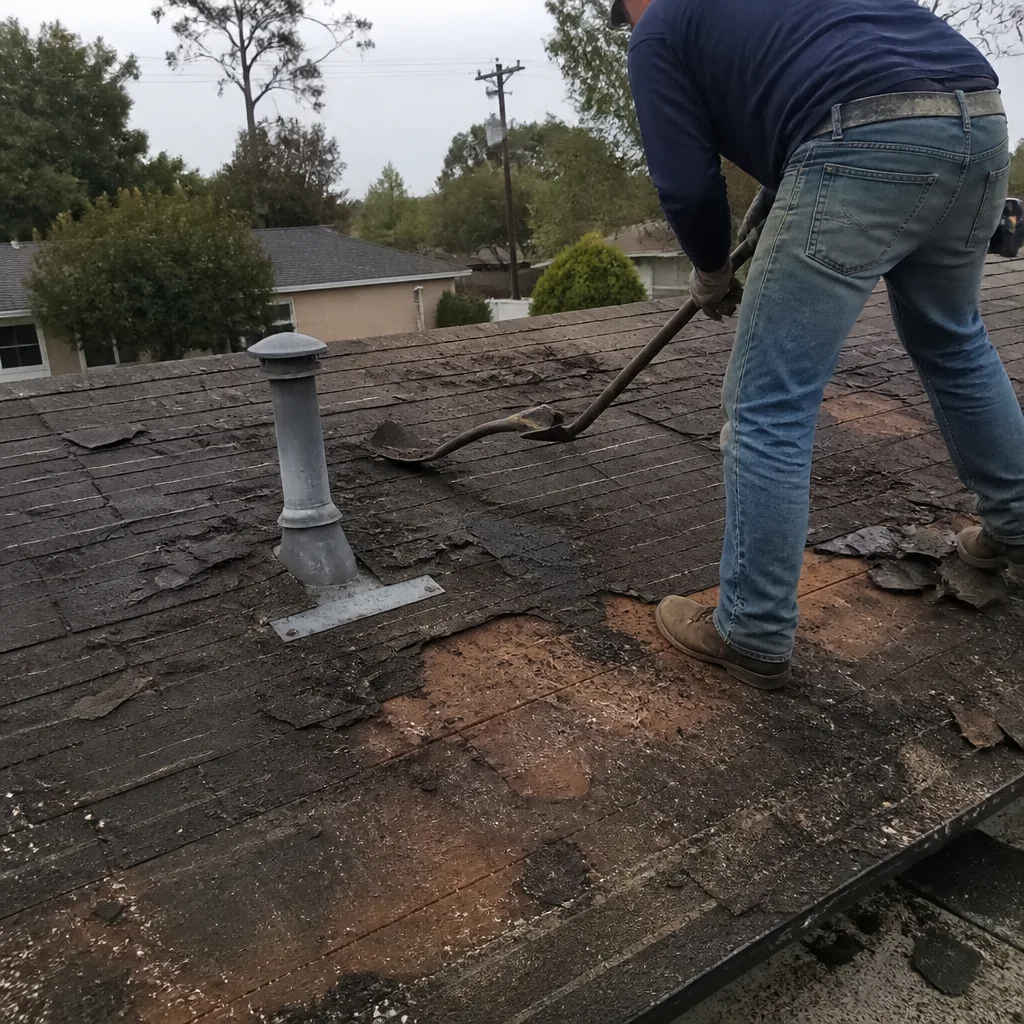
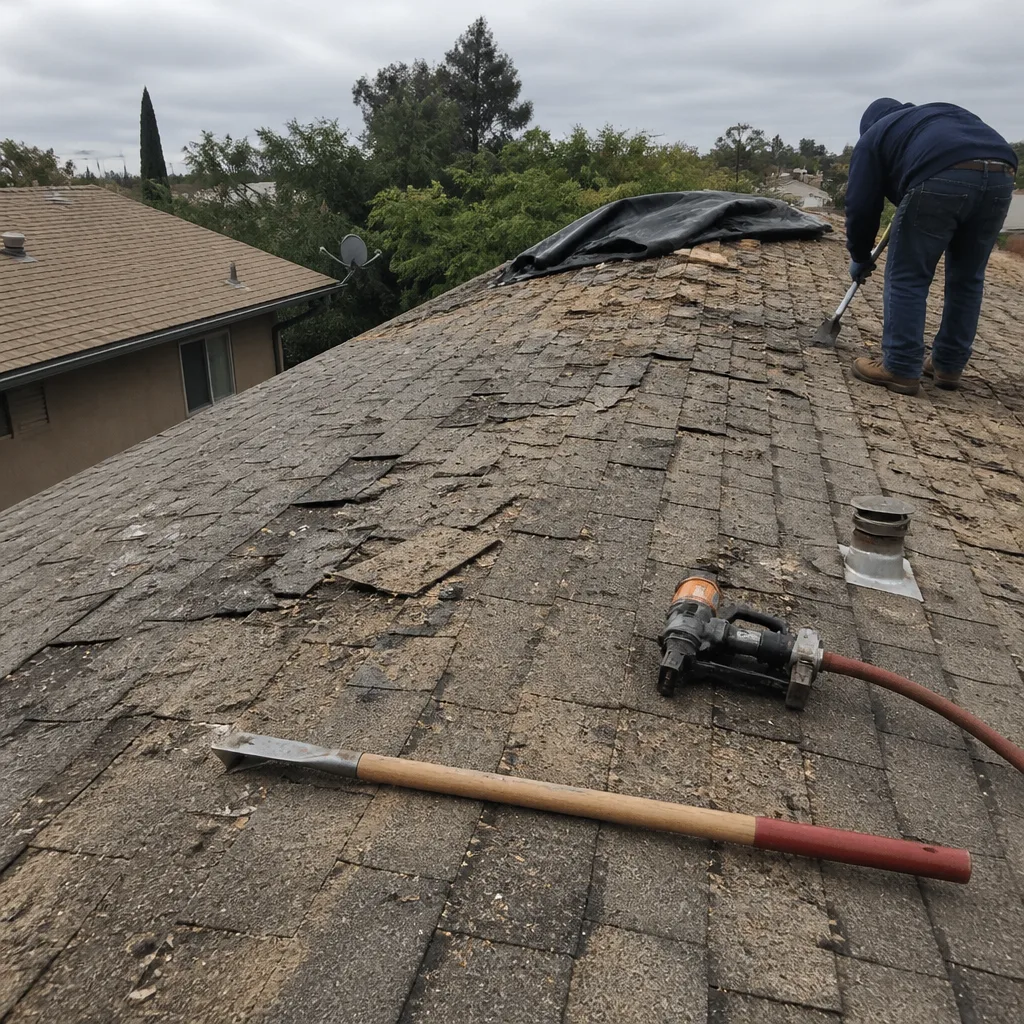
We’ve torn off enough roofs in the 91784 zip code to know exactly what’s waiting underneath them. Most houses along Euclid Avenue, 24th Street, and the foothill streets above Highland Avenue were built in the same era with the same materials, and those original wood-shake assemblies are now failing at the same rate. Skip sheathing. Deteriorated flashing at the valleys. Attic venting that pulls embers in instead of keeping them out. When we quote a roof replacement in San Antonio Heights, we’re not estimating from a satellite photo. We’re on the roof, in the attic, and under the eaves before we hand you a number.
Rick Dominguez runs our crews, and his rule is simple: inspect first, recommend second, and never steer a homeowner toward a material because we happen to make more margin on it. That’s why we work across GAF, CertainTeed, Owens Corning, IKO, Atlas, Tamko, and Boral. Seven leading brands, one crew that knows them all. Your roof, your material choice. We’ll tell you which one actually makes sense for a foothill house facing wind uplift and ember exposure, then we’ll install it to that manufacturer’s spec so the warranty holds.
Styles & brands we work with
Flat Roof Replacement in San Antonio Heights
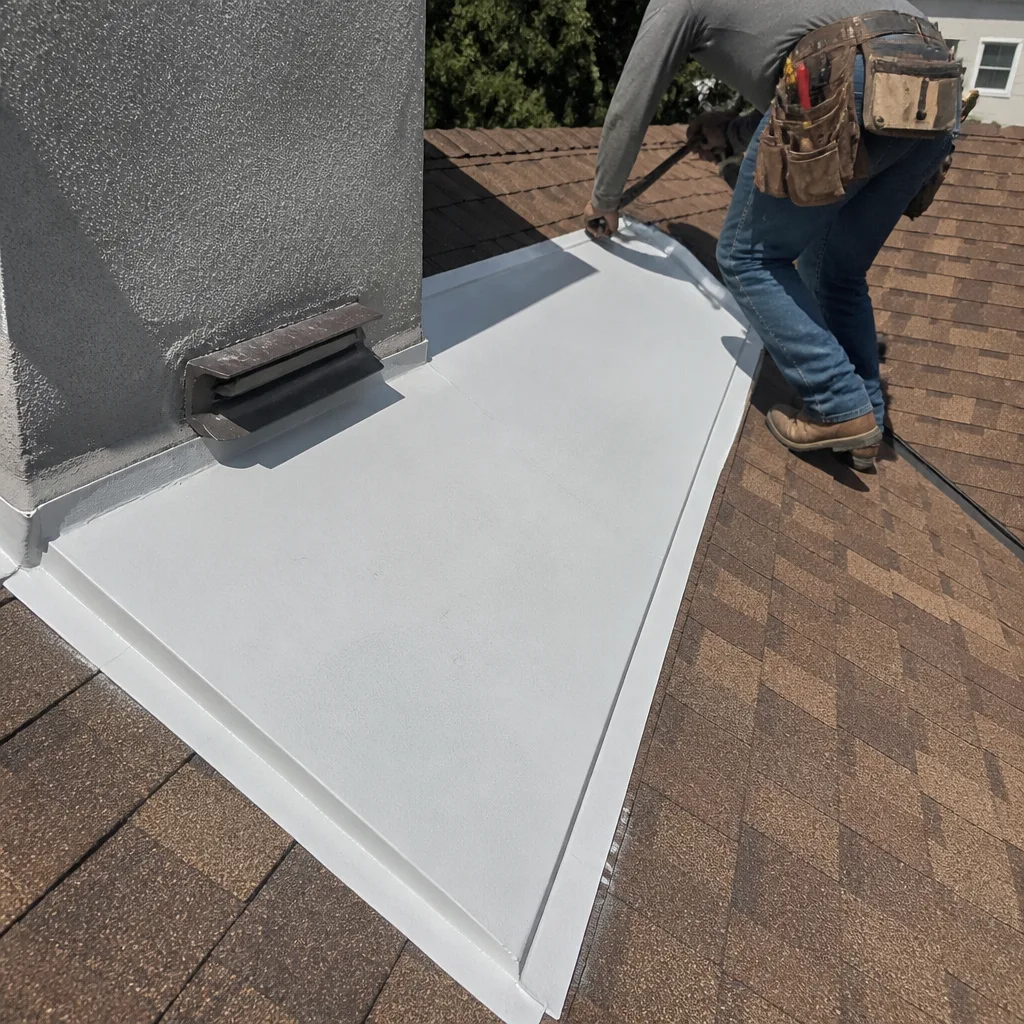
Flat Roof Replacement in San Antonio Heights is most common on the mid-century homes that were built with low-slope sections over patio covers, carports, and room additions. These roofs take a beating here, because a flat roof doesn’t shed heat or UV the way a pitched roof does. The membrane cooks in summer, then contracts in cool weather, and after 15 to 20 years the seams start to fail. A flat roof replacement in this area generally runs $8,000 to $16,000 depending on square footage and whether the existing decking is still sound.
What Gets Done First
We always start a flat roof replacement with a water test and a close look at the existing membrane seams. On older San Antonio Heights homes, we’re checking for ponding water where the original slope has settled out of spec. If the decking is soft or the insulation is waterlogged, that gets corrected before the new membrane goes down, because no membrane performs over a failed substrate.
Membrane and Drainage Upgrades
For foothill exposure, we lean toward high-UV-rated membranes that can take the thermal cycling without cracking. We also re-evaluate drainage on every low-slope section, because Santa Ana winds drive debris into scuppers and drains. A flat roof replacement that doesn’t address drainage will leak again in eighteen months.
Roof Installation in San Antonio Heights
Roof Installation in San Antonio Heights means a full tear-off and a complete new assembly built to current code, and for homes in the 91784 area that almost always includes fire-rated underlayment and ember-resistant venting. A new roof installation on a typical 1,800 to 2,400 square foot single-story home here runs $13,000 to $26,000. Architectural shingles sit at the lower end of that range. Concrete tile, which many homeowners choose to match neighboring houses, runs higher, partly because the framing and decking have to support the weight.
Decking That Meets the New Assembly
If your home has original 1×6 skip sheathing, it cannot carry a modern tile roof, and honestly it should not carry a new shingle roof either. Building code in this area requires solid decking for most fire-rated assemblies. That means new plywood or OSB, and that is an expense we surface during the inspection, not after the old roof is already in the dumpster.
Fire-Rated Underlayment and Venting
Every roof installation we do in San Antonio Heights includes a Class A fire-rated underlayment system. We also replace old box vents and open soffit screening with ember-resistant vents. This isn’t an upsell. It’s the difference between a roof that survives a wind-driven ember event and one that doesn’t, and it’s also what your insurer is looking for when they decide whether to renew.
Trusted Brands We Service in San Antonio Heights
We stock and install across the major manufacturers that actually hold up in this climate: GAF, CertainTeed, and Tamko for asphalt and architectural shingles, plus Boral for concrete tile when homeowners want to match the original look of their mid-century home. Because we’re brand-agnostic, we don’t push one product line. We match the material to the house, the exposure, and your budget. Manufacturer warranty eligibility stays intact across every brand we install, and we know the technical requirements for each product line, so you’re not getting a shingle warranty voided by a wrong nail pattern.
See the difference
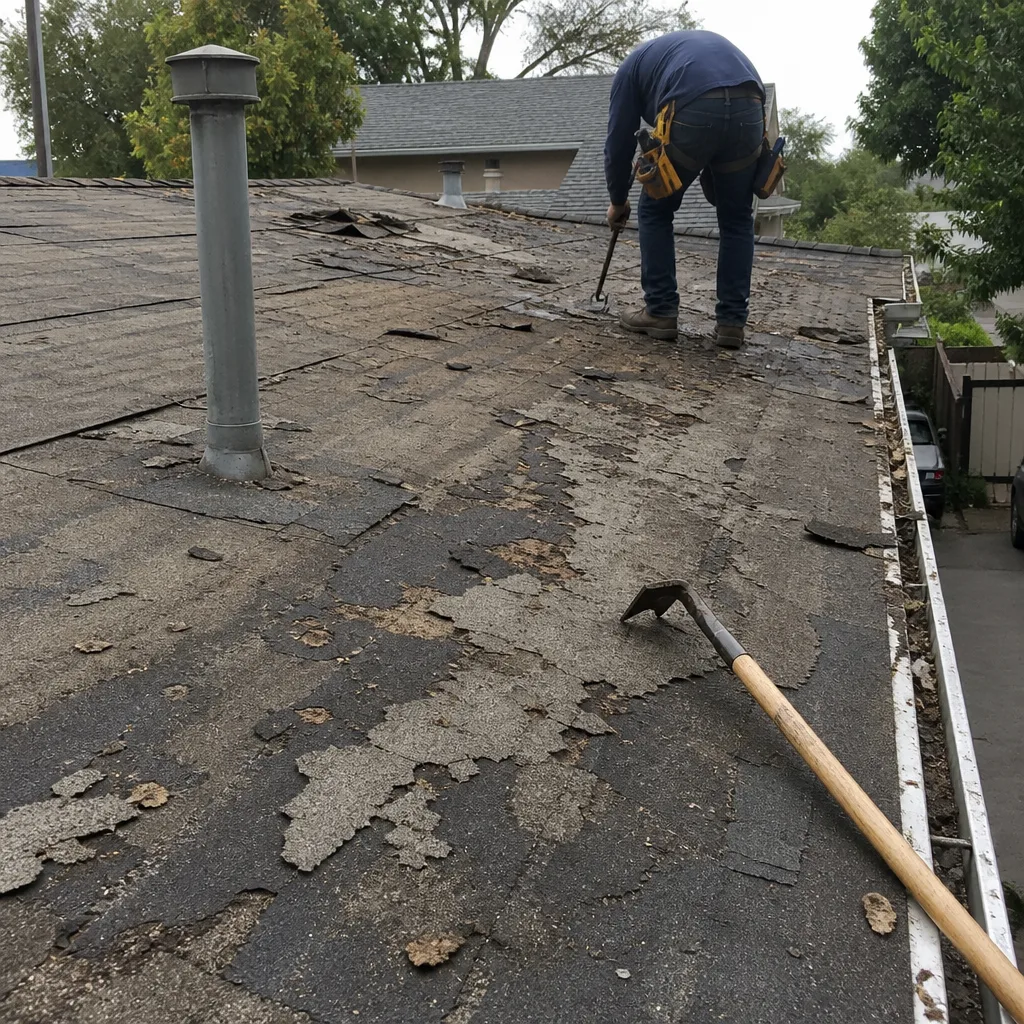 Before
 After
 Before
 After
 Before
 After
Common Roof Replacement Problems We See in San Antonio Heights Homes
- Original wood-shake roofs at end-of-life. Homes built in the 1950s through 1970s along the foothill streets often still have their original wood shakes. They’re dry, cupped, and increasingly non-renewable from an insurance standpoint. Replacement means a full tear-off and a fire-rated assembly.
- Skip sheathing that can’t handle new materials. When we pull off old shakes, we routinely find 1×6 boards spaced with gaps. That’s fine for wood shake, but it won’t support tile, and it creates gaps that undermine fire-rated underlayment. Decking replacement becomes part of the job.
- Attic venting that pulls embers in. Older gable and box vents in San Antonio Heights homes have wide openings and no ember screening. During Santa Ana wind events, embers get drawn into the attic and ignite accumulated debris. We replace these with ember-resistant vents as standard practice.
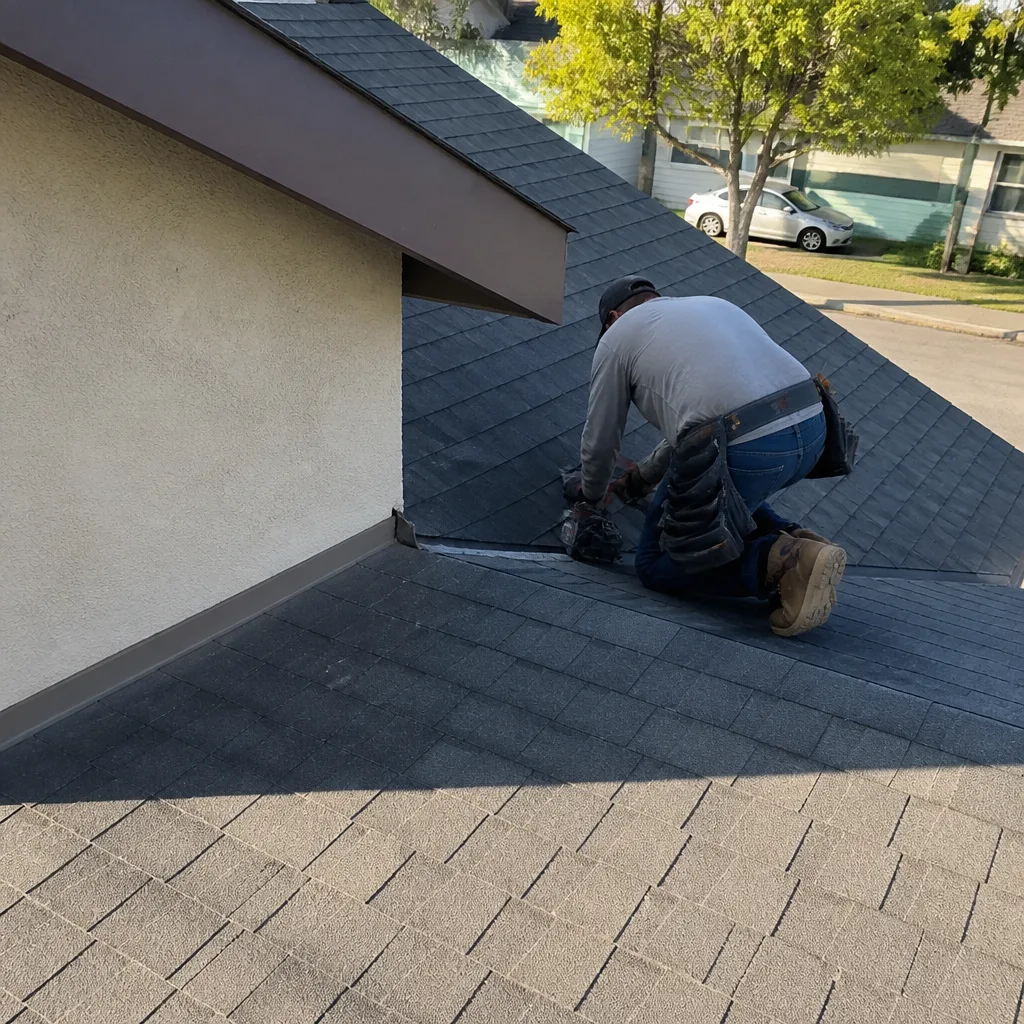
- Flashing failures at valley and chimney transitions. The wind-driven rain we get in winter hits valley flashing hard on foothill homes. If the original flashing was never replaced, it’s worn through. A proper replacement includes new metal or ice-and-water shield in every transition, not just fresh shingles over the old problem.
Pricing for Roof Replacement in San Antonio Heights, CA
Here are realistic numbers for the San Antonio Heights market as of 2026. A straightforward architectural shingle replacement on a 1,800 square foot ranch runs $12,000 to $18,000. Concrete tile on the same footprint runs $18,000 to $28,000, and that gap covers the heavier structural loading, additional decking work, and higher material cost. Flat roof sections run $8,000 to $16,000 depending on size. What moves the number most is what we find after tear-off: rotted decking, failed skip sheathing, attic venting that needs replacement, and electrical lines in the attic that must be rerouted around new penetrations. We write allowances into every contract for these known unknowns, and every change is priced and approved in writing before we touch it. Call (866) 321-6172 for an exact quote tailored to your roof. Estimates are free.
We Also Serve Cities Near San Antonio Heights
Van Nuys Roofing Co provides Roof Replacement in San Antonio Heights and throughout the surrounding foothill communities. We also handle roof replacement projects in Upland, Claremont, Rancho Cucamonga, and Montclair, which means our crews know this corridor’s housing stock and code requirements without a learning curve.
Serving San Antonio Heights, CA — Our Local Coverage Area
We’re based in the San Antonio Heights area and know this community well. Use the map below to see our service coverage — if you’re nearby, we can almost certainly help.
FAQs About Roof Replacement in San Antonio Heights
Because the original wood-shake roofs on 1950s to 1970s foothill homes were built with skip sheathing, which cannot support modern materials like concrete tile or even new architectural shingles under current fire-rated assembly standards. When the old roof comes off, we find gaps, deteriorated boards, and framing that needs to be corrected. We handle this by inspecting first and writing decking allowances into your contract, so the scope is understood before anyone swings a hammer. Call (866) 321-6172 if you want a roof inspected before you commit to a number.
Yes. San Antonio Heights sits in a designated fire hazard zone due to its proximity to the San Gabriel Mountains, and current code requires Class A fire-rated assemblies with ember-resistant venting on any roof replacement in this area. That means a fire-rated underlayment, solid decking, and vents that block ember intrusion. It’s not optional, and it’s also what most insurers now demand before they’ll write or renew a policy on a foothill home.
Santa Ana winds are the defining load on a San Antonio Heights roof. They drive wind uplift on ridge caps and edges, and they carry embers for miles. That means we’re specifying high-wind nailing patterns, upgraded ridge attachment, and ember-resistant venting on every roof we put on in this area. Material choice matters too – lightweight shingles with a high wind rating hold up better than tile in some exposures where tile becomes a debris source in a windstorm.
When a roof replacement requires decking replacement and a new assembly, the permit inspection will trigger review of fire-rated underlayment, ember-resistant venting, and often the attic electrical where old wiring runs through new vent penetrations. That means a roof job can surface a code-required electrical upgrade. We flag these before they become change orders, and we price them in writing so nothing gets authorized without your approval first.
We can, and we do it often. Many San Antonio Heights homes still carry the original concrete tile from the 1960s and 1970s, and homeowners want the replacement to look like it belongs. We work with tile manufacturers including Boral to match profile and color, and we’ll verify that your framing and decking can carry the weight before we promise a tile-for-tile swap. Call (866) 321-6172 for a free estimate, and we’ll send someone out to look at what’s currently on your roof.
Written by Rick Dominguez, Owner at Van Nuys Roofing Co, serving San Antonio Heights and the surrounding foothill communities.