Last updated October 31, 2026
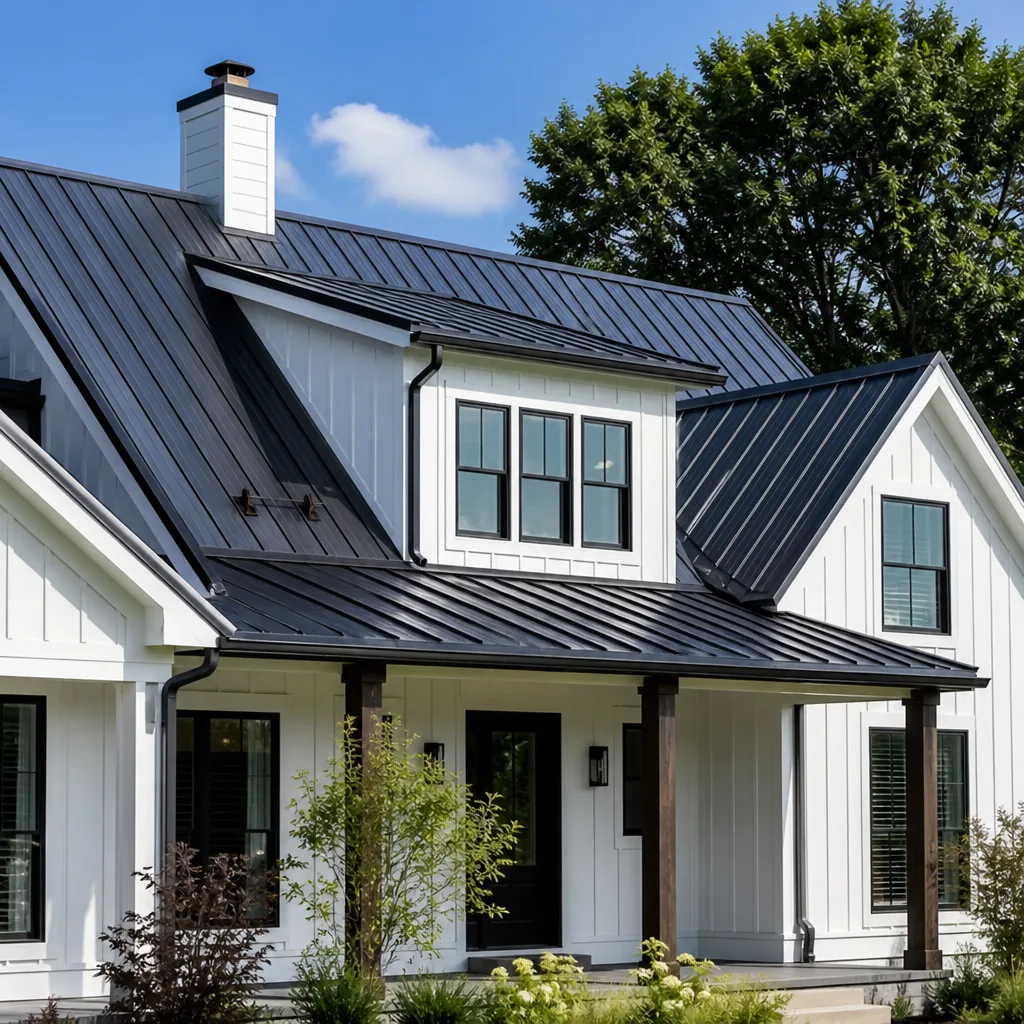 Metal roofing
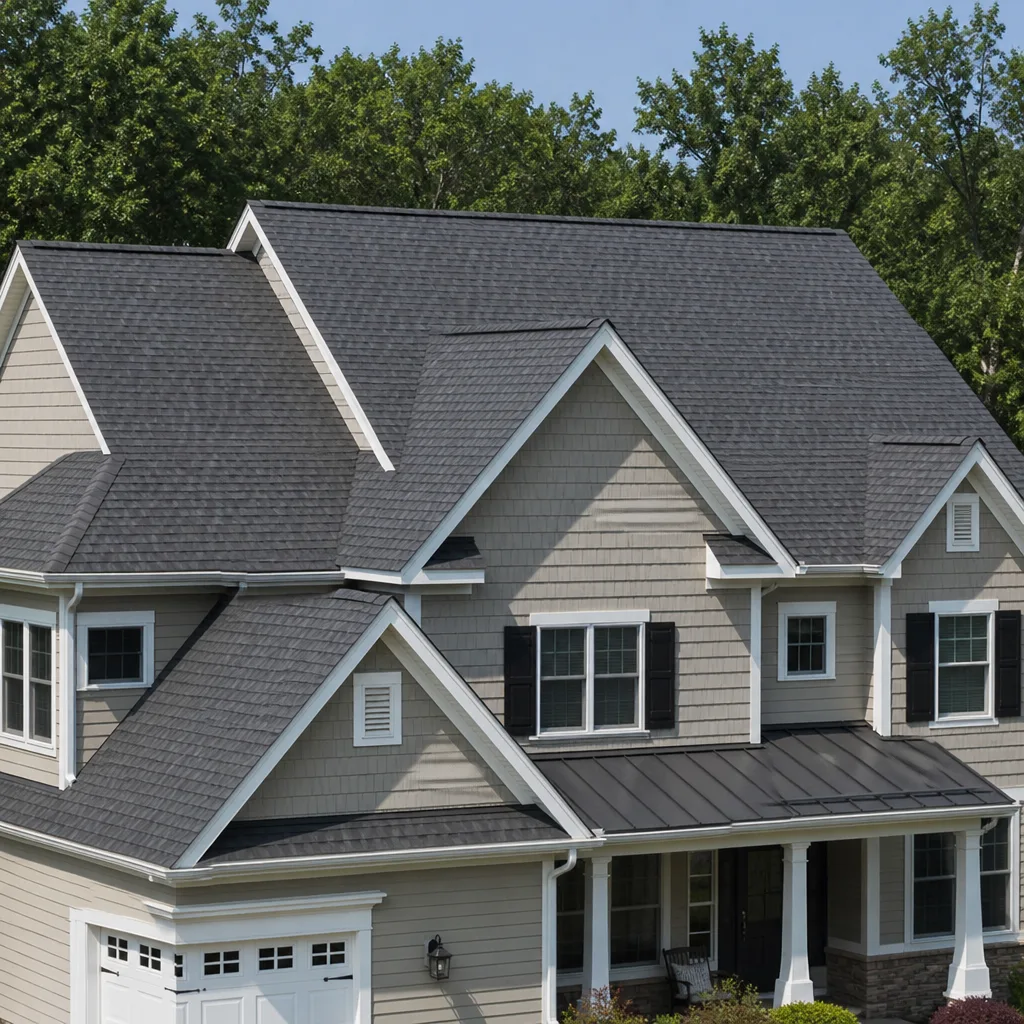 Architectural shingles
 Tile roofing
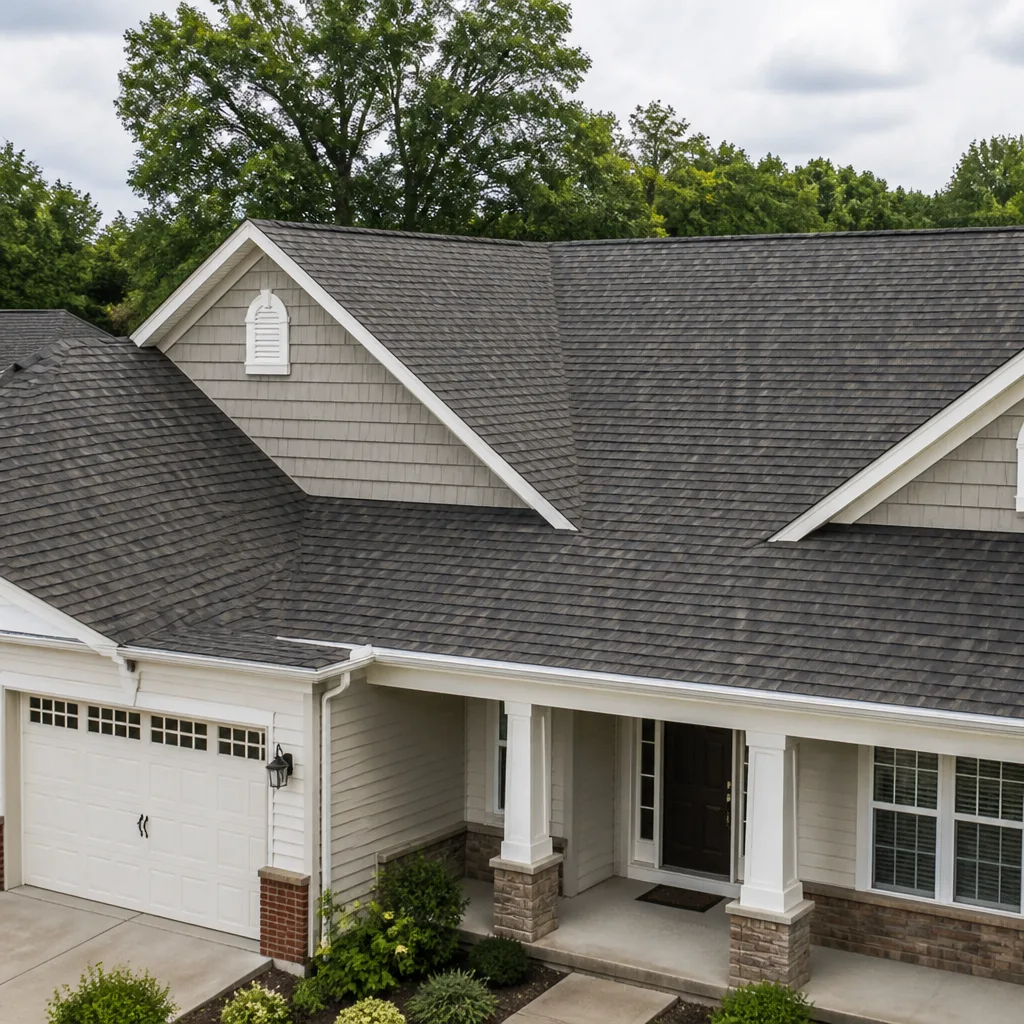 GAF
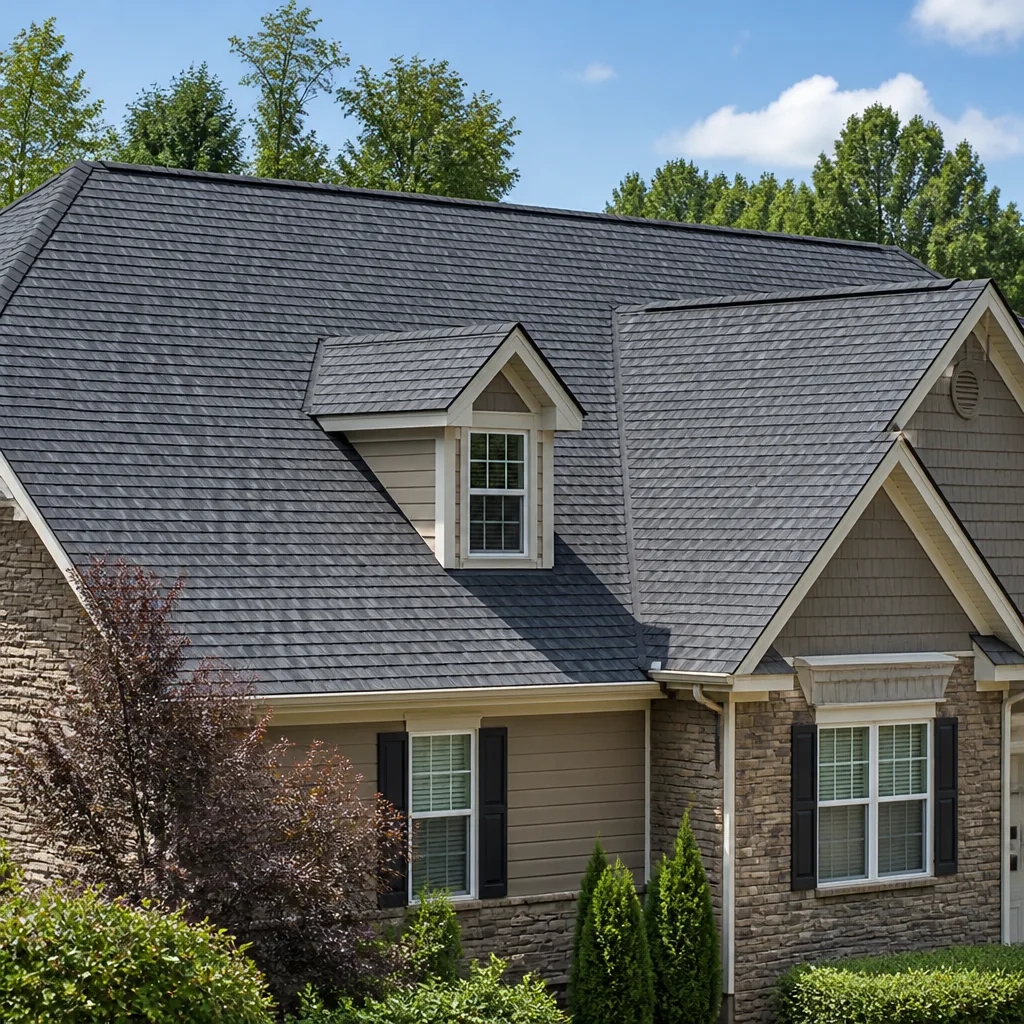 Owens Corning
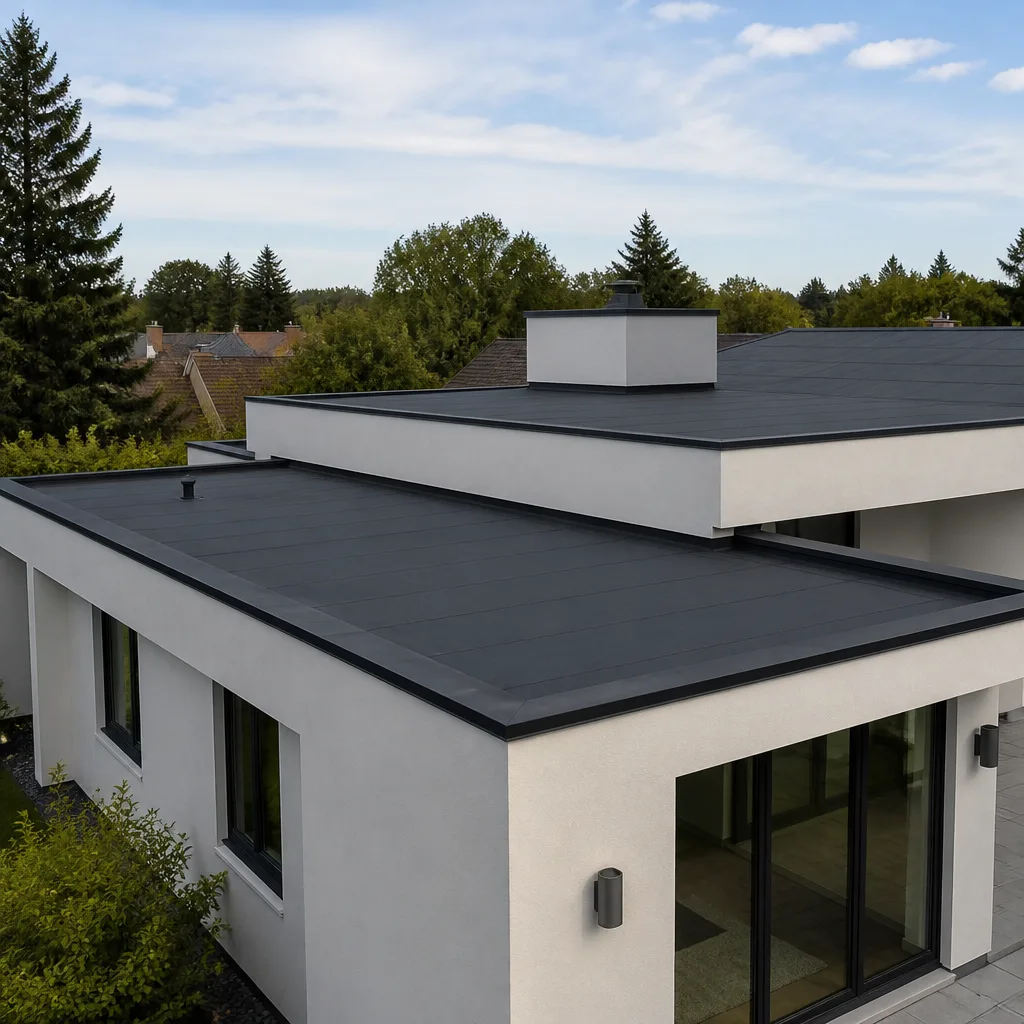 Flat & low-slope
Free roof inspection with deck photos before we talk money - GAF and Owens Corning certified installation
How to Hire a Roofing Contractor in Van Nuys: A Step-by-Step Guide
Ask a Van Nuys roofer what materials they work with. If the answer is one brand or one product type, you’re not getting a diagnosis. You’re getting a sales pitch with a ladder attached.
That’s the uncomfortable reality of the roofing contractor market in Van Nuys (and most of the San Fernando Valley). Many companies stock a single manufacturer’s product line and reverse-engineer their assessment to point toward that product every time. The inspection becomes a formality. The recommendation was decided before they climbed up. This guide will teach you how to detect that pattern, verify real licensing, understand what a legitimate estimate looks like under California law, and hire a contractor who actually works for you, not for their supplier agreement. For Roof Repair Maintenance Checklist for Van Nuys Homeowners and more guides & resources, see our blog. Van Nuys has specific dynamics that make this even more important, from storm-chasing crews that appear after Santa Ana wind events to door-knockers working a neighborhood hard after a hail report. You’ll learn what to ask, what to verify, and what to walk away from.
Quick Answer
To hire a roofing contractor in Van Nuys, verify their California C-39 roofing license with the Contractors State License Board (CSLB), ask how many material brands they’re fluent in (one-brand shops have an incentive to steer you wrong), require a written estimate that itemizes scope, materials, labor, and payment terms, and structure payments so the initial deposit stays within California’s legal 10% or $1,000 limit, whichever is less. Skip anyone who won’t put it in writing, pressures for a same-day signature, or can’t explain the technical differences between at least two roofing systems.
Styles & brands we work with
Table of Contents
- Step 1: Verify the C-39 License – and Understand What It Actually Means
- Step 2: Use Material Diversity as a Screening Question
- Step 3: Get a Written Estimate That Meets California Contract Standards
- Step 4: Recognize Van Nuys-Specific Red Flags
- Step 5: Structure a Payment Schedule That Protects You
- Step 6: Ask the Six Questions That Expose a Roofer Anyway Real Quick
- Step 7: Understand Warranty Language Before You Sign
Step 1: Verify the C-39 License – and Understand What It Actually Means
Every roofing contractor operating legally in Van Nuys must hold a C-39 Roofing Contractor license issued by the California Contractors State License Board. That’s not a suggestion. It’s state law. The C-39 classification covers installation, repair, and alteration of roof coverings, including shingles, tile, metal, and membrane systems. A general contractor with a B license can technically pull a roof permit on a project they’re managing, but for a standalone roofing job, you want the C-39. It means the license holder passed a trade-specific exam and demonstrated roofing competency, not just construction management skills.
Here’s the process, step by step:
- Ask for the license number. This should be printed on the business card, the estimate, the website, the truck. If it’s not readily available, that’s your first red flag.
- Look it up at cslb.ca.gov. The CSLB website has a license check tool. Enter the number and confirm the classification is C-39, the status is active, and the business name on the license matches the company you’re talking to.
- Check the bond and insurance status. The CSLB record shows whether the contractor carries the required $25,000 contractor’s bond and workers’ compensation insurance. A roofing crew without workers’ comp is a lawsuit waiting for you if someone gets hurt on your property.
- Verify there’s no pending discipline. The CSLB record will list any suspensions, revocations, or active complaints. This takes ninety seconds and most homeowners in Van Nuys never do it.
We’ve seen homeowners hire unlicensed operators more times than any of us want to count. The pitch sounds great. The price is suspiciously low. And when the roof leaks six months later, nobody answers the phone. In Van Nuys, where the housing stock ranges from 1940s bungalows near Vanowen to mid-century ranches in Valley Glen and newer construction pockets near Lake Balboa, the range of roofing systems in use is wide. That makes the C-39 verification more important here, not less.
Step 2: Use Material Diversity as a Screening Question
At Van Nuys Roofing Co home, we work with seven major roofing material manufacturers: GAF, CertainTeed, Owens Corning, IKO, Atlas, Tamko, and Boral. That’s not a brag. It’s a functional fact. Because we’re not locked into one brand’s installation specs, warranty requirements, or pricing structure, our recommendation can follow the roof’s actual condition and the homeowner’s actual budget. That’s how it should work everywhere.
Here’s why this matters for hiring. A contractor who only installs one brand has a structural incentive to recommend that brand. Even if it’s not the best fit. Even if a different material would last longer on a Van Nuys roof. Even if the homeowner would save money with an alternative. The contractor might be a perfectly decent person. But their business model points in one direction. You deserve an assessment that points wherever the roof points.
Ask this question directly: “What brands do you install, and can you explain the difference between them?”
Listen for specifics. A contractor fluent in multiple systems can tell you, for example, that Owens Corning’s Duration line has a specific nail-strip design that performs differently from IKO’s Nordic line, or that Tamko’s Titan XT carries a different wind warranty than Atlas’s StormMaster product. They can talk about adhesive strips, granule loss patterns, and why a particular underlayment pairs better with a particular shingle. A one-brand shop will give you the brochure answer. A five-brand competitor will give you a blur of names. A genuinely multi-brand crew will get technical without being asked twice.
Your roof, your material choice. The contractor’s job is to tell you what each option actually means, in plain language, for your specific house in Van Nuys. If they can’t do that, they’re not selling expertise. They’re selling inventory.
Step 3: Get a Written Estimate That Meets California Contract Standards
California has specific rules about what a home improvement contract must include. A legitimate written estimate in Van Nuys isn’t just a price on a business card. It’s a document that protects both parties. Here’s what it should contain, according to state law and basic industry practice:
- Contractor’s full business name, address, and C-39 license number. Not just the sales rep’s cell phone.
- A detailed scope of work. What exactly gets torn off, what gets installed, what materials are used, including brand names and product lines. “Full reroof” is not a scope. “Tear off existing single layer of asphalt shingles, inspect decking, install synthetic underlayment, install GAF Timberline HDZ shingles with matching ridge cap, replace all pipe jacks and flashing, haul away all debris” is a scope.
- Line-item pricing. At minimum, separate costs for materials, labor, tear-off and disposal, and any permitting fees. A single number with no breakdown is an estimate that hides its margins.
- Payment schedule. This is non-negotiable and covered in detail below.
- Approximate start and completion dates. With the understanding that weather can shift things. Van Nuys gets most of its rain between November and March, and good roofers schedule around that reality, not through it.
- A statement of what’s not included. If decking replacement is an additional cost if rot is found, that needs to be in writing, with a per-sheet or per-square price, before you sign.
What shady estimates deliberately omit: the cost of rot repair, the cost of permit fees (then they hit you with it later), a detailed material list (so they can substitute a cheaper line at install), and a clear cancellation clause. California law gives you three days to cancel a home improvement contract signed anywhere other than the contractor’s place of business. The estimate should say that too. If it doesn’t, question why.
This is where the inspection-first approach matters. A proper Roof Inspection in Van Nuys finds the rot, the decking issues, the ventilation problems, and the flashing failures before a contract is written. Then the estimate reflects reality, not guesswork. We offer roof inspection as a standalone service for exactly this reason. You don’t have to commit to a repair or replacement to get an honest condition report. You pay for the assessment. You get the truth. Then you decide what happens next with actual information.
Step 4: Recognize Van Nuys-Specific Red Flags
Every market has its grifters. Van Nuys has specific patterns shaped by the geography and climate of the San Fernando Valley. Knowing them ahead of time will save you from becoming a story other homeowners pass along as a warning.
Storm-chasing crews appearing after Santa Ana wind events. Whenever the winds kick up through the Sepulveda Pass and the 405 corridor, loose shingles and broken tiles become visible all over the valley. Within days, out-of-town crews start knocking on doors in neighborhoods like Valerio Gardens, Hazeltine Corridor, and the blocks north of Victory with a standard pitch: “We’re already working in your area, we noticed your roof damage, we can fix it fast.” Some of these crews are legitimate. Many are not. The ones that are legitimate will have a C-39 license, a local reference list, and a written estimate. The ones that aren’t won’t survive a five-minute CSLB check.
Door-to-door solicitation with a deadline pressure. The pattern is predictable: someone knocks, claims to have spotted damage from the street, and offers a “discount” that expires today. A real roofer doesn’t need to manufacture urgency. Your roof either needs work or it doesn’t. If the pitch depends on you deciding before you can make a phone call, the pitch is the problem.
Verbal-only warranty promises. “Oh yeah, we guarantee our work for ten years.” Great. Show me the written warranty document that says so, with the company’s name, address, and license number on it, and a clear description of what’s covered. If it’s not on paper, it doesn’t exist. This is one of the most common complaints we hear from Van Nuys homeowners: the roofer promised, the roofer disappeared, and there’s no record of anything.
Estimates based on satellite imagery alone. This has gotten worse. A company will pull a Google Earth photo of your roof, run some software, and email you an estimate without anyone ever climbing a ladder. Satellite imagery can’t show you a cracked flashing, a rotted deck seam, or a nail that’s backing out. A real estimate requires a real person on the actual roof. In Van Nuys, where many homes have roof profiles that don’t show properly from street level, this matters more.
Step 5: Structure a Payment Schedule That Protects You
Most homeowners in Van Nuys don’t know that California law limits what a contractor can collect as a deposit. Let’s fix that right now, because this is the single most effective protection you have in the entire hiring process.
Under California Business and Professions Code section 7159, a home improvement contractor may not take a down payment that exceeds the lesser of 10% of the total project cost or $1,000. That’s it. That’s the cap. If your roof replacement quote is $18,000, your deposit cannot legally be more than $1,000. Not 30%. Not $5,000. One thousand dollars, period.
Any contractor who asks for more than that upfront is violating state law. Walk away. No exceptions, no “but it’s standard in the industry.” It is not standard. It is illegal.
A sensible payment schedule after the initial deposit looks like this:
- Deposit (maximum $1,000 or 10%). Paid at contract signing to reserve the project slot and cover initial material ordering.
- Progress payment upon material delivery. When the shingles, underlayment, and flashing arrive at your property, a progress payment is reasonable. This covers the contractor’s material cost, which they’ve now committed to your job, and it ensures you own the materials sitting on your driveway.
- Progress payment at substantial completion. When the roof is installed, flashed, cleaned up, and has passed any required inspection.
- Final payment upon final inspection and sign-off. After the city or county inspector signs the final, you release the last payment. Never pay in full before the final inspection happens.
Never pay cash. Never pay the full project amount upfront. Never accept a “discount for cash payment” offer that conveniently skips over the contract and the paper trail. A cash discount often means a job with no contract, which means no enforceable warranty, no CSLB leverage, and no cancellation rights. That’s not a discount. That’s a trade where you give up your protections to save a percentage.
Step 6: Ask the Six Questions That Expose a Roofer Anyway Real Quick
You don’t need to become a roofing expert to hire one. You need to ask questions that force the contractor to prove they are. These six will do it every time. At Roof Replacement in Van Nuys, we answer all of these as a matter of course. If a contractor dodges any of them, you have your answer.
- “What’s your C-39 license number?” And then actually verify it. Not just write it down. Look it up while they watch. The reaction tells you everything.
- “Which material brands do you install, and why would you choose one over another for my roof?” A one-brand answer is a red flag. A multi-brand answer with no technical detail is a yellow one. Specificity is green.
- “Can you show me the warranty documents, the ones from the manufacturer and the ones from you, before I sign?” If the answer is “we’ll get you those later,” the answer is effectively “no.” Manufacturer warranty eligibility should be clearly communicated before contract signing, not after.
- “What happens if you find rotted decking once you tear off?” The correct answer includes a per-unit price for decking replacement stated upfront in the contract. The wrong answer is “we’ll figure it out when we get there.” That’s a blank check.
- “Who pulls the permit, and is the permit fee included in this estimate?” Roofing work in Los Angeles County requires permits in virtually all cases for a full replacement. The contractor should handle the permit pull. The fee should be a line item or clearly included. If the roofer suggests skipping the permit to save money, that’s the end of the conversation. Unpermitted roofing work will bite you when you sell the house, and it means no final inspection was ever performed.
- “Can I see photos of your recent work in Van Nuys, and can I talk to a previous customer?” Everyone has a website with stock photos. Not everyone can show you a completed project on a house like yours within ten miles of you. A contractor with genuine Van Nuys experience will have local references. One who just rolled into town won’t.
Step 7: Understand Warranty Language Before You Sign
Warranty confusion causes more post-installation frustration in Van Nuys than almost any other issue. Homeowners think they have a warranty, discover later they don’t, and the roofing company is suddenly hard to reach. Let’s untangle the two types of warranty so you know exactly what you’re getting.
Manufacturer warranties cover the materials themselves. They come from the company that made the shingles or tile, not from the contractor. GAF, CertainTeed, Owens Corning, IKO, Atlas, Tamko, and Boral all offer different warranty tiers, with coverage ranging from a standard limited warranty to enhanced coverage when the system is installed by a contractor who meets specific installation requirements. The key detail: the manufacturer warranty is only valid if the installation meets the manufacturer’s specs. If the crew doesn’t know the brand’s installation requirements, the warranty can be voided. That’s one reason multi-brand fluency matters. A crew that installs Tamko to Owens Corning specs might get you a roof that lasts, but it won’t get you a warranty that’s worth the paper it’s printed on.
Contractor workmanship warranties cover the installation itself. If the roofer installs everything correctly but something fails due to an installation error, this warranty should catch it. The problem: this warranty is only as good as the company behind it. A contractor who goes out of business next year has a warranty that’s worth zero. In Van Nuys, where roofing companies come and go, this is a real risk. Ask how long the company has been operating. Ask for the workmanship warranty terms in writing. Ask what it covers and what it doesn’t. And read the actual document before you sign anything.
At Roof Repair in Van Nuys, we work with manufacturer warranty programs across multiple brands. That gives you genuine choice. You’re not forced into one manufacturer’s warranty structure because that’s the only one we sell. You pick the material. We install it to that manufacturer’s exact specifications. Your warranty eligibility stays intact. That’s how it should work, and it’s surprisingly rare.
Common Mistakes to Avoid
- Hiring without running the CSLB license check. Ninety seconds online saves you from a contractor who’s been suspended, cited, or never licensed at all. Almost nobody does it. Do it every time.
- Taking the lowest bid without reading why it’s lower. A bid that’s $4,000 under everyone else is under because something is missing. Cheap underlayment, a skipped permit, no tear-off, unreported workers. Find out what before you find out after.
- Paying more than the legal deposit. The cap is $1,000 or 10%, whichever is less. A contractor who asks for more is breaking state law before the job even starts. That’s your cue to leave.
- Signing a contract with a scope that says “re-roof complete.” Four words is not a scope of work. If the contract doesn’t list specific materials, specific installation steps, and specific cleanup responsibilities, you don’t have a contract. You have a vague promise.
- Accepting a verbal warranty promise. “Guaranteed for 15 years” is a sentence, not a warranty. Get the document. Read it. If there’s no document, there’s no warranty.
- Letting a storm-chaser pressure you into same-day decisions. After big Santa Ana wind events, the door-knockers arrive. A roof that’s survived for years doesn’t need a signature within three hours of a knock. Take the estimate, do the license check, make the call on your timeline.
- Believing a price quote given over the phone without an inspection. No legitimate roofer quotes a roof job without seeing the roof. Phone quotes are a sales opener, not an estimate.
See the difference
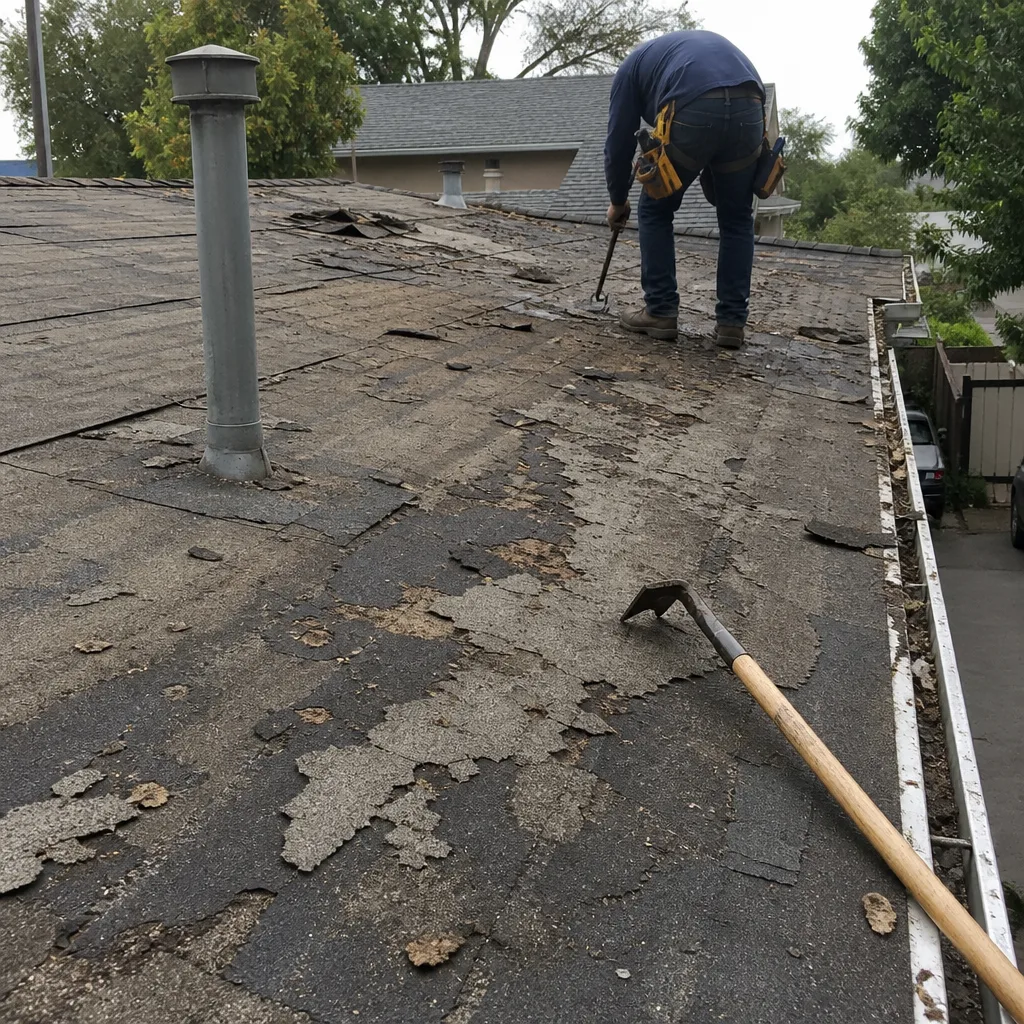 Before
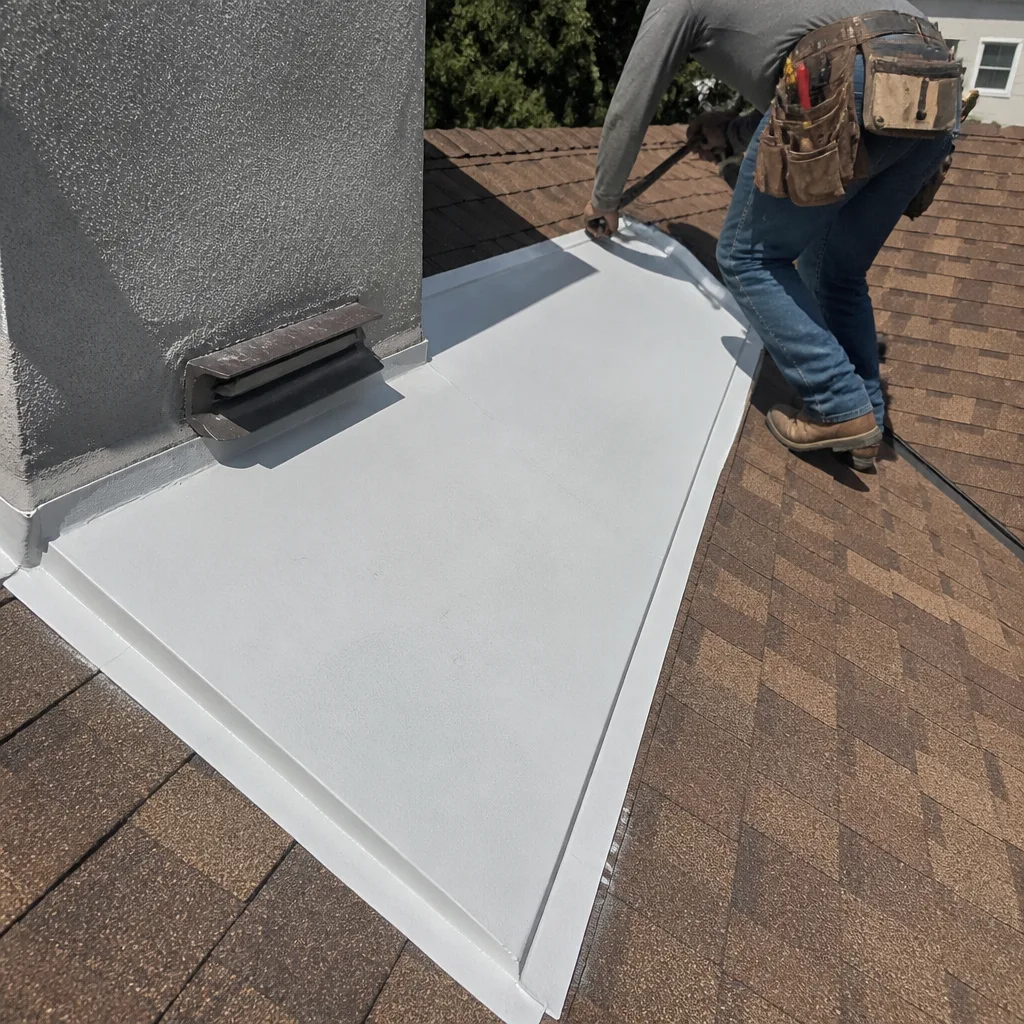 After
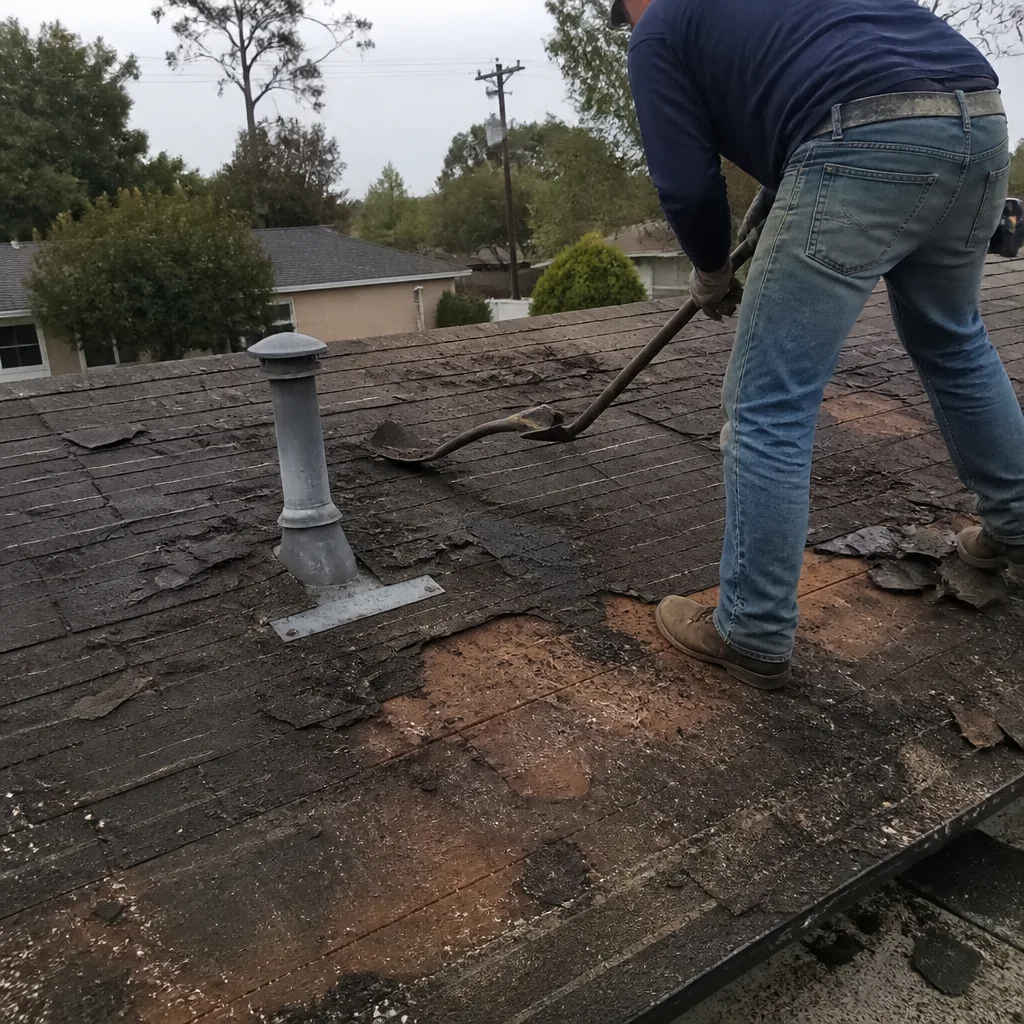 Before
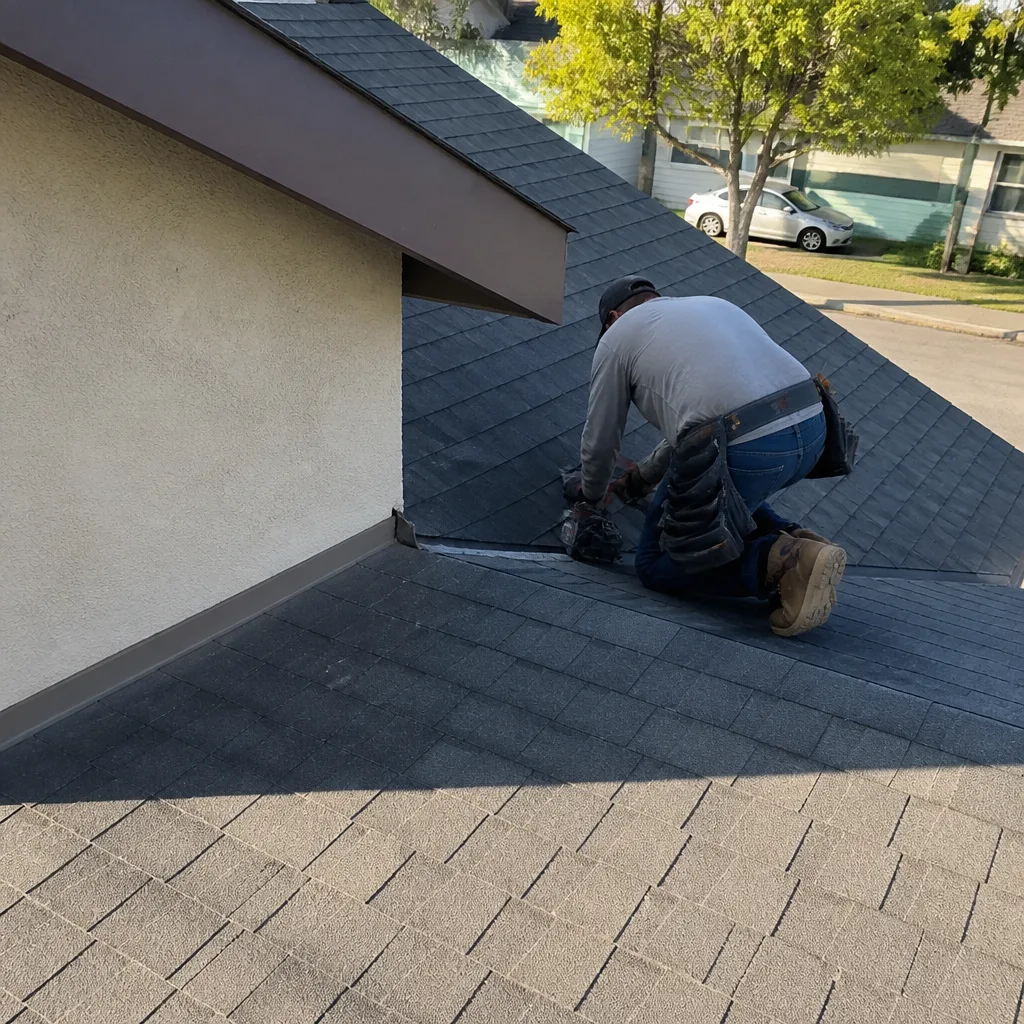 After
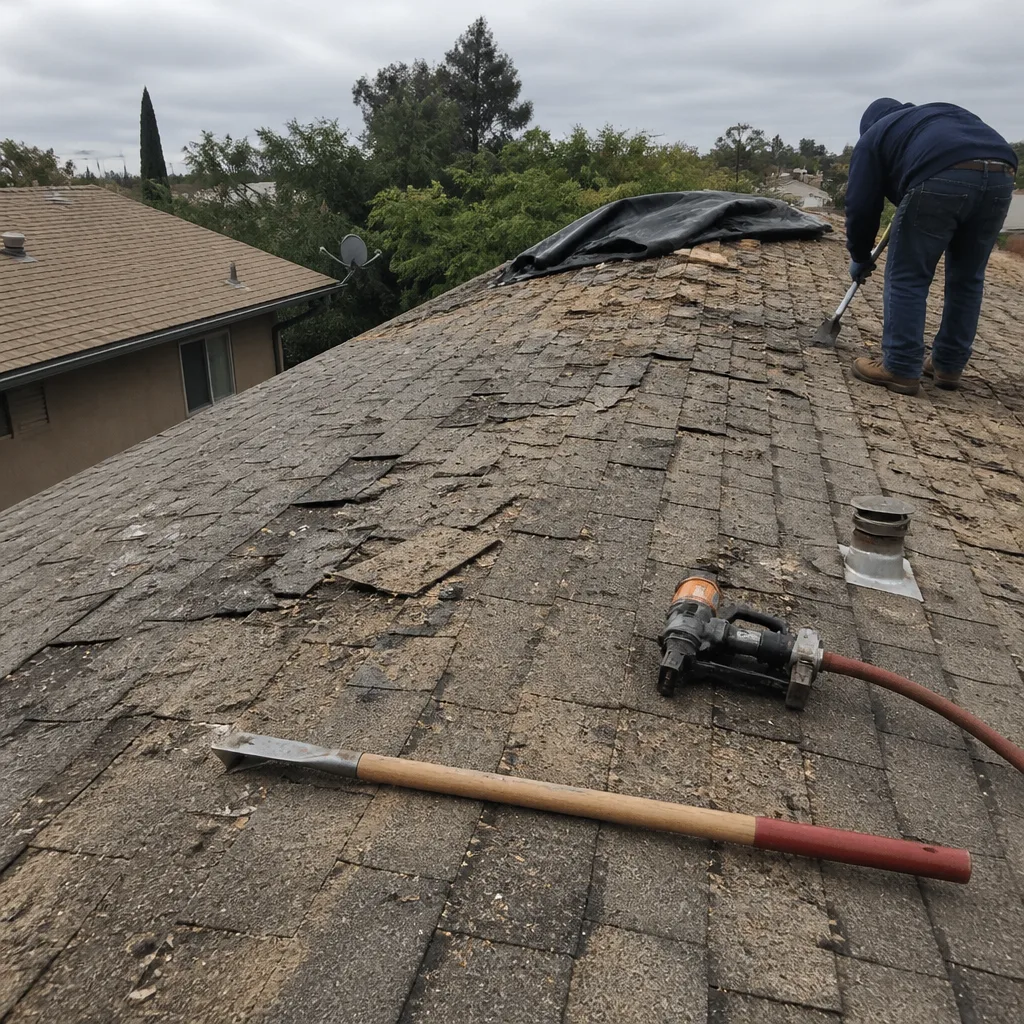 Before
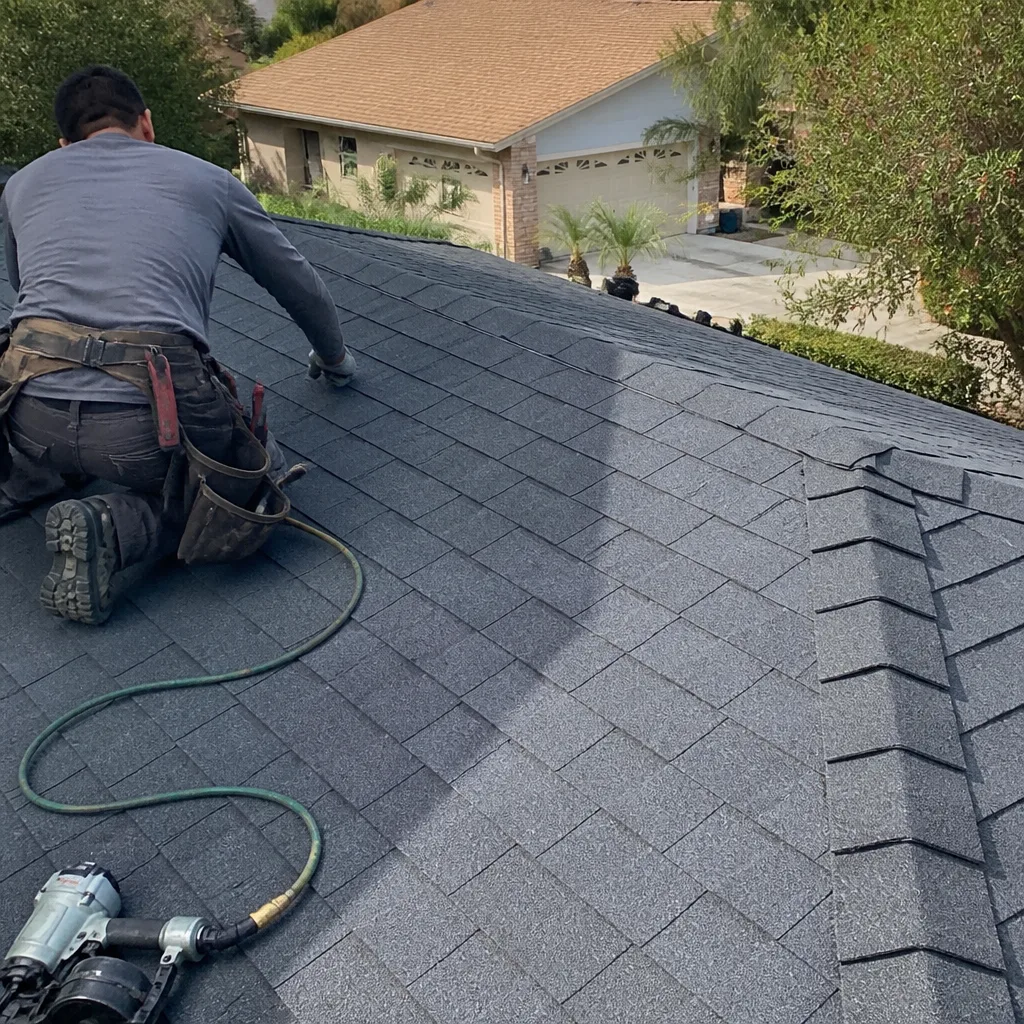 After
When to Call a Professional
You need a professional roofer, not a handyman, when you see any of these: missing or cracked shingles after a wind event, granule loss that leaves bare patches on asphalt shingles, water stains on interior ceilings or walls, daylight visible through the roof deck from inside the attic, sagging roof lines, or flashing that’s pulling away from chimneys, skylights, or vents. These are not cosmetic issues. They’re the early warning signs of structural damage, and they get more expensive the longer they sit. For help identifying problems early, see our Roof Repair Troubleshooting: Common Problems and How to Fix Them. Van Nuys summers are long and dry, which means small leaks often go unnoticed until winter rain finds them. By then, the decking is soft, the insulation is compromised, and the repair bill has doubled. Don’t wait for rain. If you see anything that doesn’t look right, get an inspection. Van Nuys Roofing Co offers free estimates in Van Nuys – call (866) 321-6172.
Frequently Asked Questions
Go to cslb.ca.gov and enter the contractor’s license number in the license check tool. Confirm the classification is C-39 (Roofing Contractor), the status is active, the business name matches, and there’s no active discipline on record. The CSLB also shows bond and workers’ compensation status, which every legitimate roofer should carry. A refusal or excuse when you ask for the license number is an automatic disqualification.
A full roof replacement in Van Nuys typically falls in a broad range depending on the material. Asphalt shingle systems on a standard single-story home commonly run from $12,000 to $20,000 installed. Architectural laminated shingles push toward the upper end of that range or slightly beyond. Tile, metal, and premium systems run higher, often $25,000 to $45,000 or more depending on the roof size, pitch, tear-off requirements, and material grade. These are ballpark figures. For a detailed breakdown, see our Roofing Cost Breakdown: The Van Nuys Homeowner’s Reference for 2026. The only way to get an actual price for your house is an in-person inspection and a written line-item estimate.
A California roofing estimate should include the contractor’s business name, address, and C-39 license number; a detailed scope of work; line-item pricing separating materials, labor, tear-off, and permits; a payment schedule that respects the legal deposit limit of $1,000 or 10%; approximate start and completion dates; a cancellation notice stating your three-day right to cancel; and a clear statement of what is and is not included in the price. If any of those elements is missing, ask for a revised estimate before you sign anything.
Yes. A legitimate roofing company should offer inspection as a standalone service with no purchase obligation attached. The inspection gives you an honest condition report: what’s failing, what’s nearing end of life, what’s fine, and what actually needs to happen next. If a company refuses to inspect without a repair or replacement commitment, that tells you what you need to know about their assessment. We inspect first, recommend second.
The most common scam in Van Nuys is the storm-chaser pattern after Santa Ana wind events: a crew appears, claims to have spotted damage from the street, offers a fast fix at a “discount” price, requests a large upfront payment, and either disappears or performs substandard work. These crews are often unlicensed, carry no workers’ compensation, and don’t survive a CSLB check. A close second is the verbal-only warranty: promises made in conversation that never appear in writing and vanish when the leak appears six months later.
Yes. Nearly all full roof replacements in Van Nuys require a building permit from the Los Angeles Department of Building and Safety. The permit triggers a final inspection that verifies the work meets current code, including underlayment requirements, ventilation standards, and flashing details. A contractor who suggests skipping the permit is offering to save you a few hundred dollars in exchange for a roof that hasn’t been inspected, a potential red flag when you sell the house, and no legal recourse if something goes wrong. Don’t take that deal.
The Bottom Line
Hiring a roofing contractor in Van Nuys comes down to three things: verify the license, demand multi-brand fluency, and structure the payment on your terms. The license check filters out the outright frauds. The material diversity question filters out the one-trick operations with a steering problem. And the payment schedule, anchored to California’s $1,000 deposit cap, protects you from the moment the contract is signed until the final inspection passes. A roofer who passes all three filters is one who can show you the exact product, explain why it fits your roof, and put every promise in writing. Everything else is just noise from a ladder.
Call (866) 321-6172 to schedule your free estimate. We’ll inspect first, recommend second, and tell you straight whether repair or replacement actually makes sense.
Written by the team at Van Nuys Roofing Co, serving Van Nuys since 2015.