
Last updated October 31, 2026
 Metal roofing
 Architectural shingles
 Tile roofing
 GAF
 Owens Corning
 Flat & low-slope
Free roof inspection with deck photos before we talk money - GAF and Owens Corning certified installation
Seasonal Roofing Care for Van Nuys: Year-Round Homeowner’s Guide
Most Van Nuys roof failures don’t happen during the rain. They happen because the October-to-November transition from heat season to rain season catches deferred maintenance in exactly the wrong condition. A roof that spent July, August, and September baking under 100-degree sun develops cracks, lifted seams, and brittle flashing. Then the first atmospheric river of the season arrives and turns every one of those small failures into a leak. This guide explains the two-season reality of Van Nuys roofing, what to do before each transition, and how to spot problems before water finds them. You’ll learn the specific maintenance calendar that actually fits the San Fernando Valley climate.
Quick Answer
Seasonal roof care in Van Nuys means working around two real seasons: a long, hot oxidizing season from May through October, and a short wet season from November through April. The two critical maintenance windows are April, before thermal cycling intensifies, and mid-October, before the first significant rain arrives. Inspecting and addressing issues during those two windows prevents most of the leaks, heat damage, and debris problems homeowners in the Valley deal with every year.
Styles & brands we work with
Table of Contents
- Why Van Nuys Has Two Roofing Seasons, Not Four
- April: The Pre-Heat Season Checklist
- Mid-Summer: Spotting Heat and UV Damage From the Ground
- October: The Most Important Maintenance Window in Van Nuys
- Post-Storm Assessment: What to Check After an Atmospheric River
- Palm Trees and the Van Nuys Debris Problem
- How Material Choice Affects Your Seasonal Maintenance Load
- Common Mistakes to Avoid
Why Van Nuys Has Two Roofing Seasons, Not Four
Calendars divide the year into four seasons. Your roof in Van Nuys doesn’t care about calendars. What it experiences is a prolonged thermal stress cycle followed by a concentrated water intrusion cycle. That’s it. Understanding this changes how you approach maintenance entirely.
From May through October, daytime temperatures in Van Nuys routinely cross 95 degrees, and roof surface temperatures run 50 to 70 degrees hotter than the air. Asphalt shingles can hit 160 degrees on an August afternoon. At night, temperatures drop by 30 or 40 degrees. That daily expansion and contraction cycle, repeated roughly 180 times per heat season, is what ages a roof. Every seam, every nail, every flashing joint moves slightly. Over time, that movement breaks the bonds that keep water out.
Then November arrives. The first real rain system of the season, often an atmospheric river that drops two or three inches in 48 hours, hits a roof that has spent six months expanding and contracting. Whatever has cracked, lifted, shrunk, or separated is now an entry point for water. The rain didn’t cause the leak. It revealed the leak that the heat created.
This is why the traditional “spring and fall maintenance” advice that works in other parts of the country misses the mark here. Van Nuys homeowners need maintenance timed to the two transitions that actually matter: the onset of intense heat in late spring, and the onset of rain in mid-autumn. Miss the October window and you won’t get another clean shot until the following spring. Everything you do between November and April is reactive, not proactive.
If you’ve never had a systematic assessment of your roof’s condition, start with a Roof Inspection in Van Nuys to establish a baseline. Knowing where your roof stands today makes seasonal maintenance decisions far clearer.
April: The Pre-Heat Season Checklist
April is the calm before the thermal storm. The days are warming but not yet punishing, and the winter rains have stopped. This is the window to prepare your roof for six months of expansion, contraction, and UV exposure. Here’s what matters and why.
1. Check and Treat Sealants Before They Bake
The single most important April task in Van Nuys is inspecting and refreshing the sealants at every roof penetration: pipe boots, vents, skylights, chimneys, and any equipment mounted on the roof. Sealants degrade from UV exposure faster than any other roof component in this climate. Once a sealant cracks and shrinks, the summer heat opens the gap further, and the first rain finds it. A tube of high-quality roofing sealant applied in April costs far less than a ceiling repair in December.
This is not a task to rush. Walk the roof surface carefully or have a professional do it. Look for sealant that appears chalky, cracked, or pulled away from the surface it’s meant to seal. Check the rubber boots on plumbing pipes; they split with age and heat. Check the metal flashing around the chimney and any other vertical surfaces. If the flashing has separated from the roof surface, even by a fraction of an inch, water will follow.
2. Clear Debris Before It Bakes In
Leaves, palm fronds, and dust accumulate during winter and spring. Once summer heat hits, this organic debris bakes into the roof surface, trapping moisture against shingles or tiles and accelerating material breakdown. April is the time to clear valleys, gutters, and flat sections. Pay special attention to areas where roofing planes meet at an angle, because debris funnels into those valleys and stays there.
3. Inspect Attic Ventilation
Your attic ventilation system is what keeps the underside of your roof from cooking. In Van Nuys, where attic temperatures can exceed 140 degrees in July, insufficient ventilation shortens shingle life dramatically and stresses the decking. April is the time to verify that intake vents at the eaves and exhaust vents near the ridge are clear and unobstructed. We’ve seen attics in Van Nuys neighborhoods with soffit vents completely blocked by insulation or decades of dust. The roof bakes from below and above, and the homeowner doesn’t know until shingles start curling.
4. Look for Winter Damage Before It Worsens
Winter in Van Nuys is mild, but wind events and the occasional heavy rain do damage. Loose shingles, lifted flashing, cracked tiles. These small problems don’t fix themselves. They get worse during the heat, when the damaged area expands and the gap grows. April is when to repair what winter damaged, because the same damage will be twice as expensive to repair after a summer of thermal cycling and a fall of rain.
If you need a repair made, the crew at Roof Repair in Van Nuys handles everything from individual shingle replacement to flashing rework. April repairs are typically faster to schedule than October repairs, when every roofer in the Valley is booked solid.
Mid-Summer: Spotting Heat and UV Damage From the Ground
Nobody should be walking a roof in July in Van Nuys unless it’s absolutely necessary. A 160-degree shingle surface is dangerous to work on, and foot traffic on hot asphalt shingles can scuff and damage them. The good news: most heat damage is visible from the ground or from inside the attic. Here’s what to look for during the hottest months.
What Heat Damage Looks Like From the Ground
- Curling or cupping shingles. On a clear day with the sun behind you, look at the roof plane. Shingles that are curling upward at the edges or cupping in the middle are showing heat and age stress. This is often visible from the street.
- Loss of granule color in patches. Asphalt shingles shed granules as they age. Heat accelerates this. If some areas of the roof look noticeably lighter or more bare than others, that’s granule loss and it means the shingle’s protective layer is gone.
- Wavy sections of the roof deck. Heat and moisture can cause the plywood or OSB decking to warp. Look for areas where the roof plane doesn’t look flat.
- Black staining or streaking on shingles. This is often algae, which thrives in the moist shade conditions common on north-facing slopes in Van Nuys neighborhoods with heavy tree cover. Algae shortens shingle life and traps moisture.
- Flashing that appears bent or separated. Metal flashing expands and contracts with heat. After enough cycles, the fasteners can loosen and the flashing will lift. This is visible at the chimney, at wall intersections, and at roof penetrations.
What to Check in the Attic Without Touching the Roof
Mid-summer attic checks are unpleasant but informative. In the morning, before the attic becomes an oven, go up with a flashlight and look for daylight coming through the roof deck. Any pinhole of light is a place where water can enter. Check the underside of the decking for dark stains, which indicate past or active moisture. Check the insulation for damp spots. If your attic has a ridge vent, verify from below that air is actually moving through it. A properly vented attic should feel hot but with noticeable airflow; a sealed attic feels stagnant and suffocating.
When Summer Damage Warrants an Inspection
If you notice any of the ground-level indicators above, schedule a professional inspection before October. Summer damage doesn’t repair itself, and every week of heat compounds it. A Roof Inspection in Van Nuys gives you a clear picture of what’s cosmetic and what’s structural before the rain season forces your hand.
October: The Most Important Maintenance Window in Van Nuys
If you do nothing else on this list, do the October tasks. This is the single most consequential maintenance timing for Van Nuys roofs, and it comes down to simple sequencing: the last few months before the first rain are your final opportunity to catch and fix heat-season damage while conditions are still dry and workable.
Roofing crews in Van Nuys are busiest in October and November. Every homeowner in the Valley who deferred maintenance all year suddenly realizes rain is coming. Waiting until the first storm arrives to call for an inspection means you’re competing with every other urgent call, and you’re paying emergency rates for work that could have been scheduled weeks earlier.
Here’s what the October window should include:
- Full visual inspection of the roof surface. Every shingle field, every tile, every flashing point, every penetration. This is the last dry-weather look you’ll get for months.
- Gutter and valley cleaning. Water needs a clear path off the roof. Blocked gutters in an atmospheric river turn into waterfalls down the wall of your house.
- Spot repair of heat-season damage. Curled shingles, cracked sealant, lifted flashing. Fix these now, while the surface is dry and adhesive bonds properly.
- Check for granule accumulation in gutters. If you’re cleaning gutters in October and noticing a thick layer of granules, your shingles are shedding. That’s an aging indicator worth discussing with an inspector.
- Verify downspouts direct water away from the foundation. The roof’s job is to move water off the structure. If downspouts dump water at the foundation line, the problem simply relocates.
One more thing about October in Van Nuys: the Santa Ana wind season typically begins around this time. High, dry winds from the northeast can lift shingles, tear flashing, and deposit debris on your roof. An October inspection should account for wind exposure, especially on roofs with a northeast-facing slope. If your roof has loose materials after the first Santa Ana event, address them before the rain arrives, because wind damage followed by rain damage is a compounding problem.
If October reveals damage that goes beyond a simple repair, this is also the right time to evaluate whether a larger investment makes sense. The team at Roof Replacement in Van Nuys can walk you through the options. A roof that’s marginal in October is often a full replacement candidate by spring. Knowing where you stand sooner gives you months to plan and budget rather than days.
Post-Storm Assessment: What to Check After an Atmospheric River
Atmospheric river events have become the defining weather pattern of Van Nuys winters. These systems can drop multiple inches of rain in a short window, often accompanied by strong winds. The Valley’s drainage infrastructure and residential roofing were not always designed with these events in mind. Here’s the protocol to follow after each major storm.
Step 1: Interior Check First
Before you look at the roof, look at the ceiling. Check every room, including closets, for water stains, discoloration, bubbling paint, or actual drips. Pay attention to the corners of rooms near exterior walls, around recessed light fixtures, and along the line where the ceiling meets the wall. Check the attic if it’s accessible. A slow leak that hasn’t shown through the ceiling yet will often show as damp insulation or a dark spot on the decking. Interior evidence tells you where to focus the exterior inspection.
Step 2: Exterior Walk-Around
After confirming no active interior water intrusion, walk the perimeter of the house and look up. Check for shingles or tiles on the ground. Check the gutters for visible sagging or separation from the fascia. Look at the roof plane for missing or displaced material. After a wind-driven storm, you may see shingles that are still on the roof but noticeably lifted. These are next-storm failures waiting to happen.
Step 3: Document Everything
Take photos of any damage, interior or exterior, with timestamps if possible. If you file an insurance claim, the adjuster will want to see the condition immediately after the event, not after repairs have begun. Photos of missing shingles, stained ceilings, and wet insulation establish the timeline.
Step 4: Schedule Professional Assessment
Post-storm, many Van Nuys homeowners discover damage that wasn’t obvious during the storm itself. Water can travel along the roof deck and enter the house far from where it penetrated the surface. A professional inspection after a significant storm event can identify the entry point and determine whether repairs are localized or indicative of broader vulnerability. If you suspect damage, don’t wait for the next storm to confirm it.
Step 5: Prioritize Repairs Before the Next System
Van Nuys winter storms often arrive in succession. A week of dry weather between systems is your repair window. The longer a breach remains open, the more decking, insulation, and drywall gets damaged. We’ve seen what starts as a $400 repair turn into a $6,000 remediation because the homeowner waited through two more rain cycles.
Palm Trees and the Van Nuys Debris Problem
Van Nuys has a tree canopy unlike most residential roofing environments in Southern California. Palm trees dominate many neighborhoods, and palms create a roofing maintenance challenge that oak or sycamore trees simply don’t.
Here’s the issue with palms: a single frond is heavy, fibrous, and aerodynamic. When a mature palm drops a frond, it doesn’t flutter to the ground like a leaf. It drops with force, and it often lands edge-first. A falling palm frond can crack a concrete tile or dislodge an asphalt shingle. We’ve seen fronds punch through aged shingle surfaces that had already lost their flexibility to heat exposure.
But the bigger problem is what happens after the frond lands. Palm fronds don’t decompose quickly. They trap moisture against the roof surface for months. The fibrous material wicks water and holds it in contact with whatever is underneath. In valleys and behind parapet walls, accumulated palm debris creates a permanent damp microclimate on the roof surface, accelerating shingle breakdown and pulling water under flashing.
Some Van Nuys neighborhoods also have significant pepper trees, eucalyptus, and ficus, each with their own debris pattern. Pepper tree leaves are small and fine; they clog gutters faster than almost anything else and form a sludge that compacts into a water-blocking mass. Eucalyptus leaves are waxy and slow to break down, sitting in valleys for months and creating the same moisture trap as palm fronds. Ficus roots are famously invasive, but the tree’s dense canopy also drops a constant volume of small debris onto roofs within its drip line.
The practical takeaway: if you have palm trees or any of these species near your roof, your October gutter and valley cleaning is not a nice-to-have. It’s the difference between a roof that sheds water and a roof that holds water against itself for four months. Homeowners with significant tree canopy should consider twice-yearly debris clearing: once in late spring and once in October.
How Material Choice Affects Your Seasonal Maintenance Load
Not all roofing materials respond to Van Nuys conditions the same way. The material on your roof determines which seasonal tasks matter most, how often you need to inspect, and how heat and rain stress manifest. This is where working with a roofer who is fluent across multiple material systems makes a difference. A single-brand shop will tell you their product handles Van Nuys conditions perfectly. A multi-brand roofer can tell you honestly which material actually fits your specific roof, budget, and maintenance tolerance.
Here’s how the major material categories behave in the Valley climate:
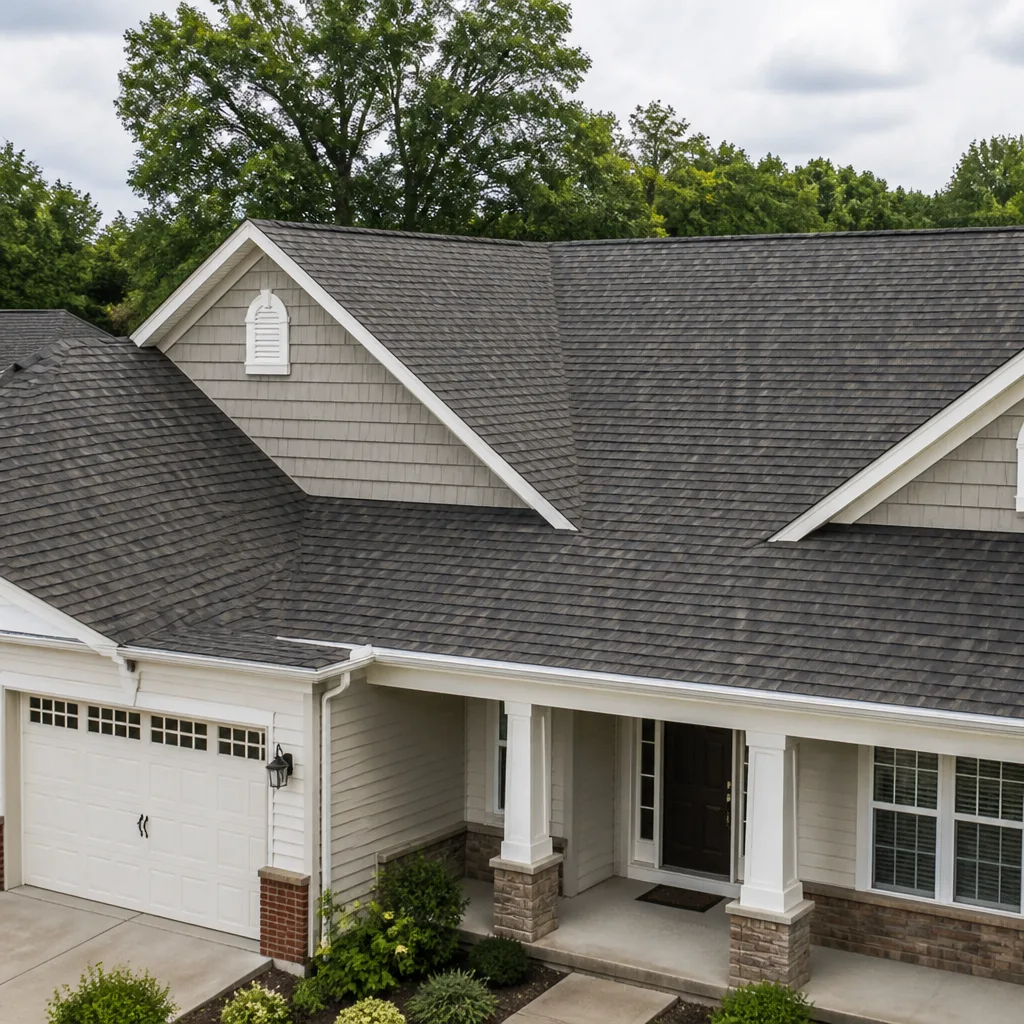
Asphalt Shingles
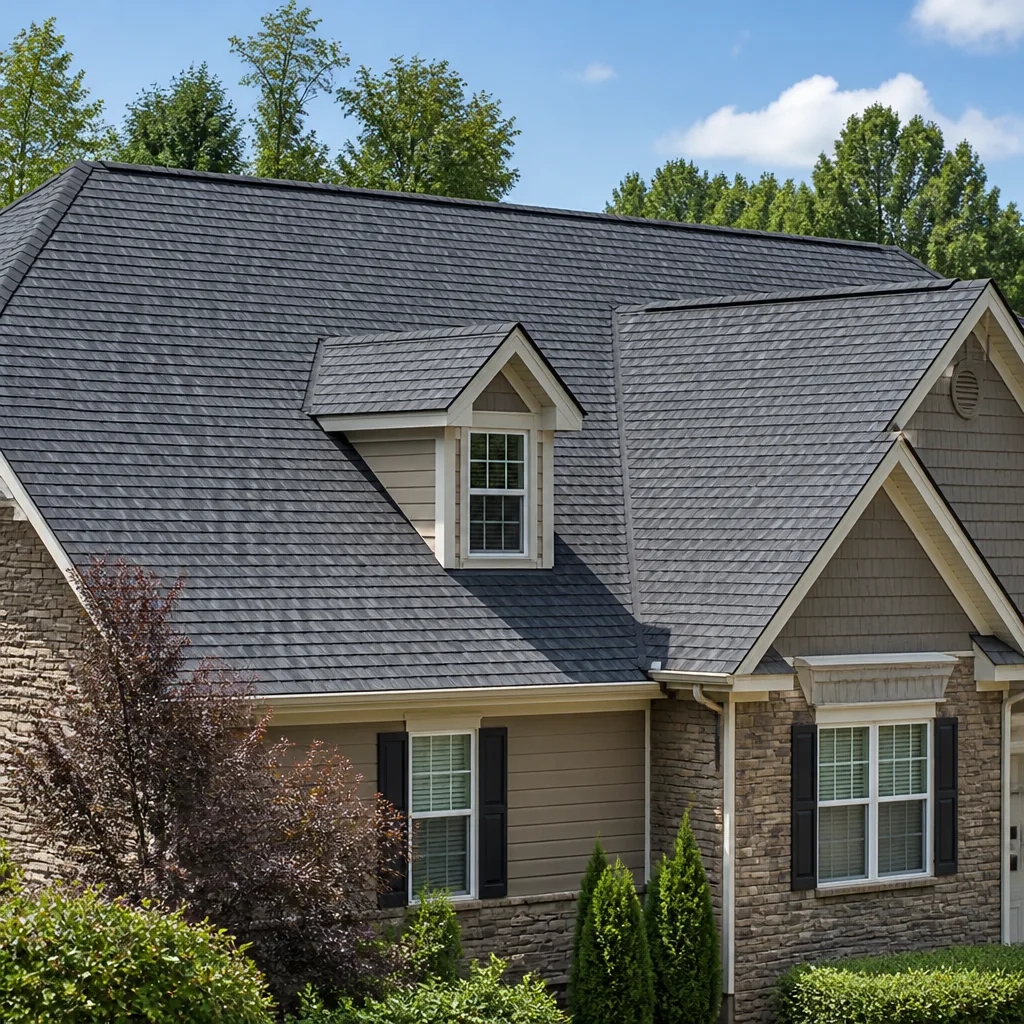
The most common roofing material in Van Nuys residential construction. Heat is the primary aging factor. Asphalt shingles lose flexibility as the oils bake out, which leads to curling, cracking, and granule loss. A high-quality architectural shingle from a manufacturer like GAF or CertainTeed will typically outlast builder-grade stock, but all asphalt shingles in this climate need sealant checks at penetrations every year or two. Expect to replace asphalt shingles in Van Nuys more frequently than the manufacturer’s maximum lifespan suggests, because the heat here accelerates aging beyond what temperate-climate testing accounts for.
Concrete and Clay Tile
Tile handles heat well, but it’s vulnerable to impact from falling palm fronds and to movement during the expansion and contraction cycle. Cracked or slipped tiles are the main failure mode. Underlayment beneath the tile ages with heat and becomes brittle, which means water that gets past a cracked tile can reach the deck. Tile roofs need annual visual checks for displaced tiles and periodic underlayment replacement. Brands like Boral have strong penetration in the California tile market, and their systems are designed with the climate in mind, but any tile roof still needs attention at flashings and penetrations.
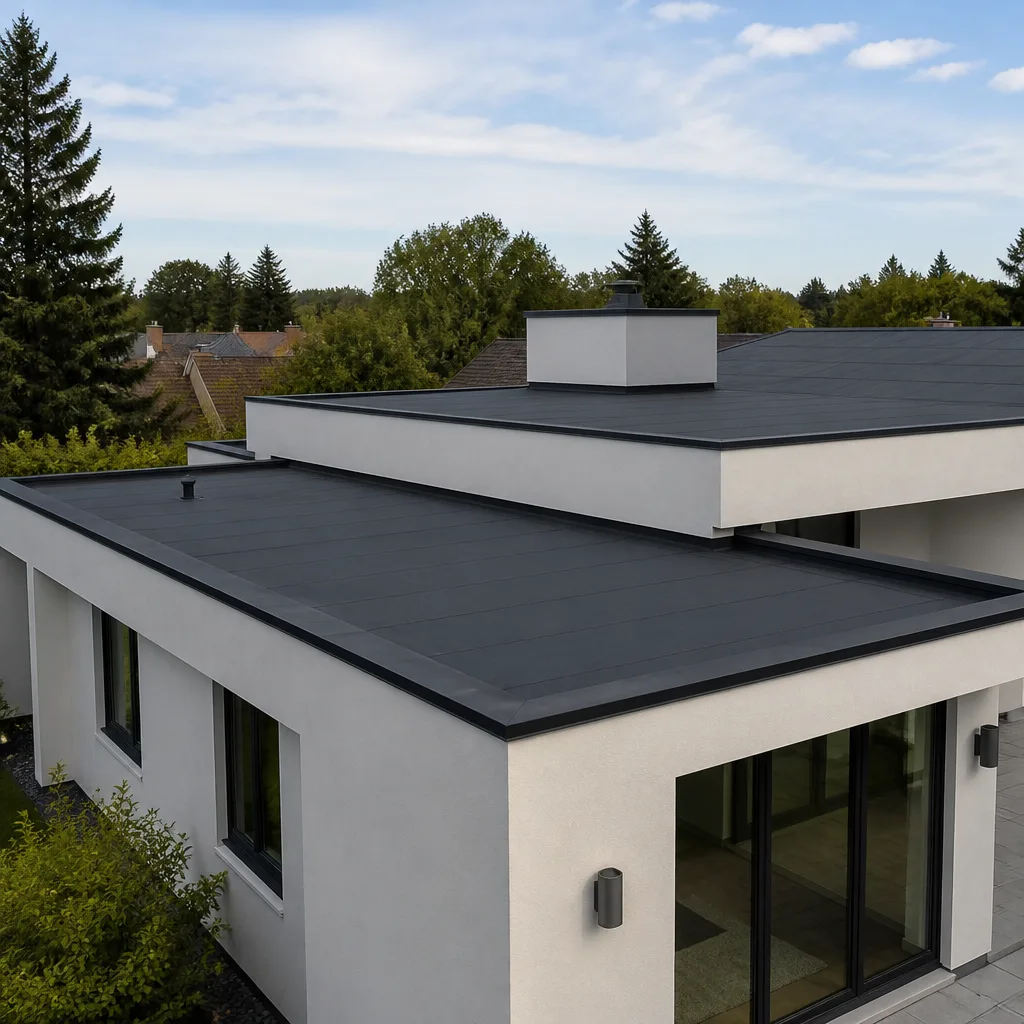
Flat and Low-Slope Roofs
Many Van Nuys homes have flat or low-slope sections, often over additions, garages, or carports. These roofs are entirely dependent on sealant integrity and proper slope for drainage. Standing water is the enemy. In the Valley heat, flat-roof membranes expand and contract over large uninterrupted areas, stressing seams and flashings. Annual sealant inspection is essential, and debris removal matters more on a flat roof than on a pitched one, because debris sits and stays rather than sliding off.
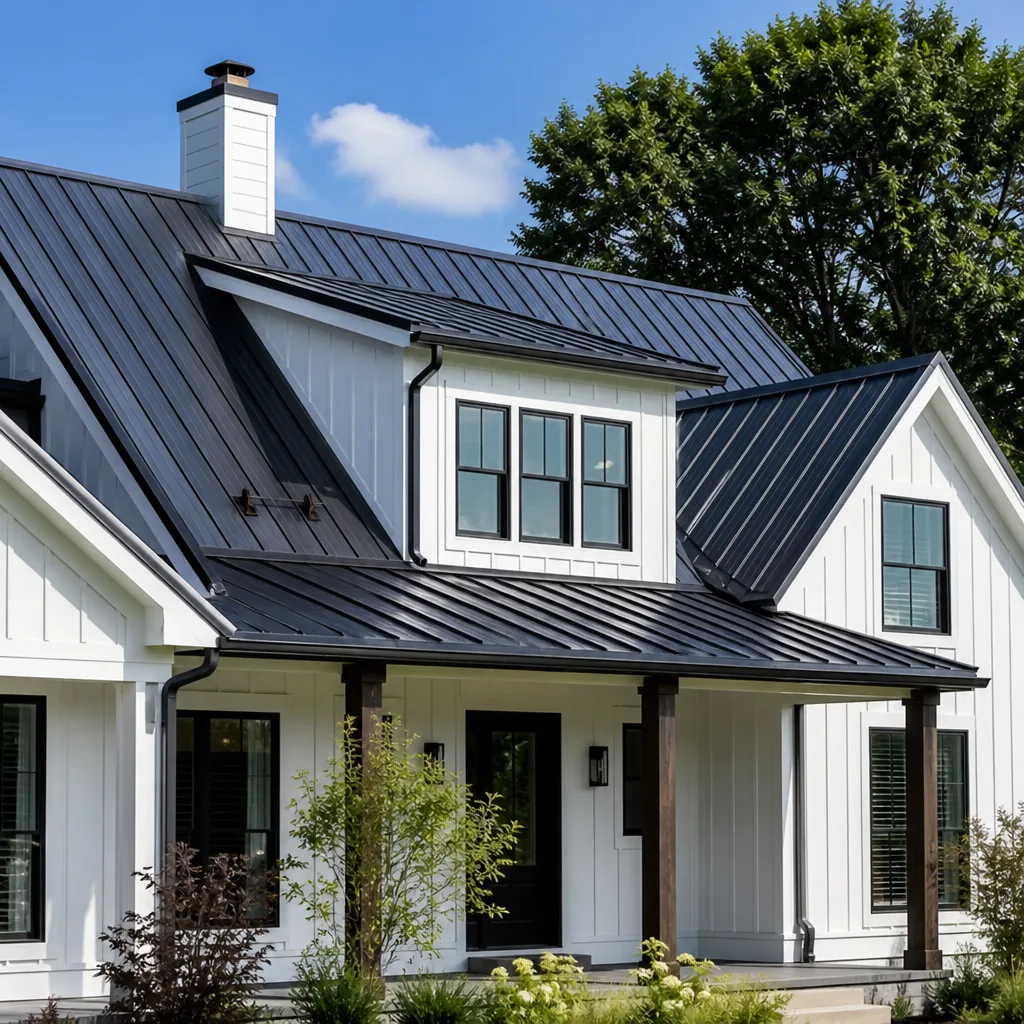
Metal Roofing
Metal handles heat well and reflects solar radiation effectively, but the thermal expansion of metal panels is real. Fasteners can loosen over time as panels shift. A metal roof in Van Nuys needs periodic fastener checks along panel edges and at flashing transitions. The material itself may last decades, but the connection points need attention roughly every few years.
The point here is not that any one material is hands-off. The point is that each material has a specific seasonal maintenance profile in Van Nuys, and the right roofer will help you understand it. Seven leading brands, one crew that knows them all. That’s the value of working with a roofer who isn’t locked into one manufacturer’s ecosystem.
Common Mistakes to Avoid
- Treating the roof as a set-and-forget system. A roof is a wearing surface, not a permanent installation. In Van Nuys heat, materials degrade measurably every year. Nothing about this climate lets you ignore a roof for a decade.
- Doing October maintenance in December. By the time rain season is underway, the dry-weather window for adhesive bonding and proper repairs is gone. Work done between storms is rushed. The October window exists for a reason.
- Ignoring small sealant cracks. A quarter-inch crack in pipe boot sealant is not a small problem. It’s a water entry point that grows with every thermal cycle. The heat doesn’t close cracks. It opens them.
- Cleaning gutters only when they look clogged. By the time a gutter is visibly overflowing, the damage is already happening. Water is running down the fascia, behind the gutter, or pooling at the foundation. Scheduled gutter maintenance beats reactive gutter maintenance.
- Walking the roof in summer heat. Hot asphalt shingles are soft and easily damaged by foot traffic. You can also injure yourself on a 160-degree surface. Ground-level and attic inspections are appropriate for summer; roof walking is a fall activity.
- Assuming a roof leak is a local problem. Water enters at one point and travels along the deck to exit somewhere else entirely. The stain on your ceiling in the living room may be coming from a roof penetration 15 feet away. This is why professional leak investigation matters.
- Letting a single-brand roofer limit your options. When a roofer only installs one manufacturer’s product, their recommendation is constrained by what they sell. In Van Nuys, you have access to roofers who work across GAF, CertainTeed, Owens Corning, IKO, Atlas, Tamko, and Boral. Your roof conditions and budget should drive the material choice, not the roofer’s inventory. Your roof, your material choice.
See the difference
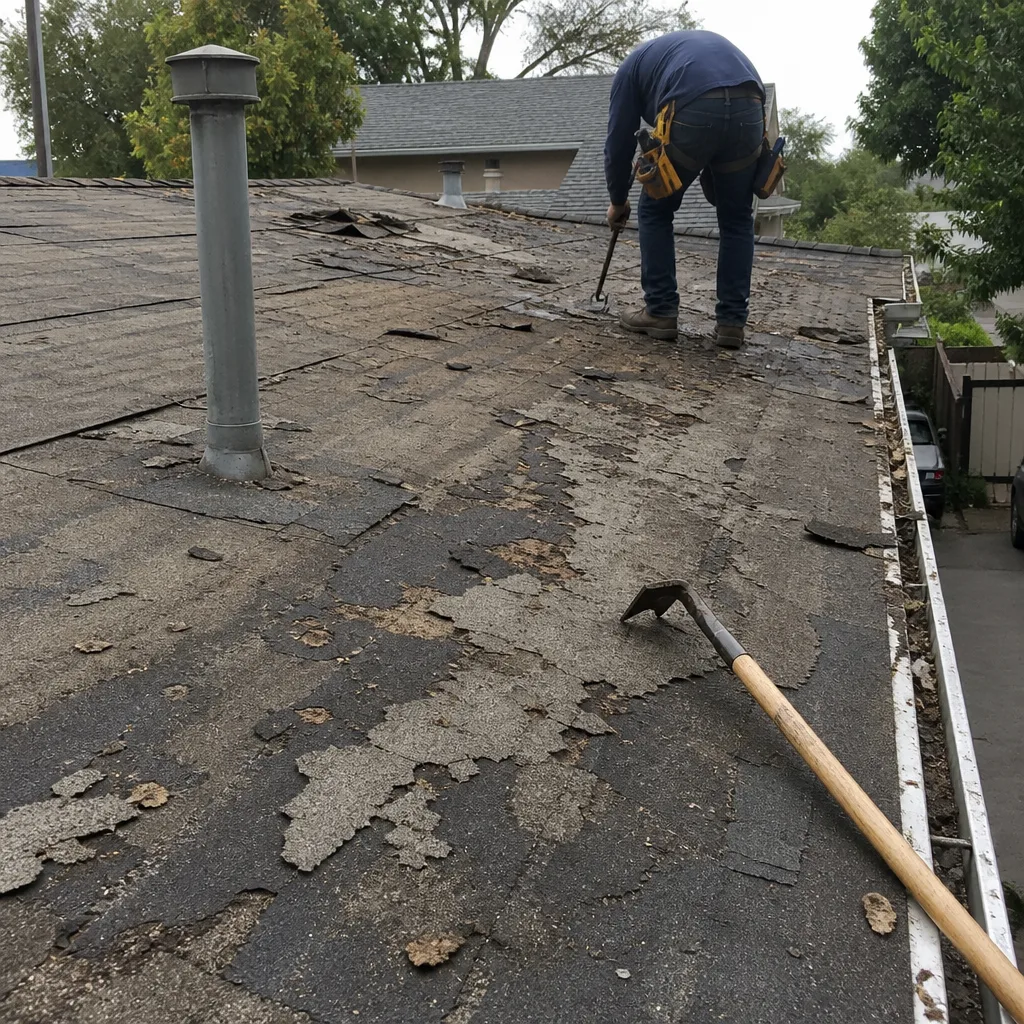 Before
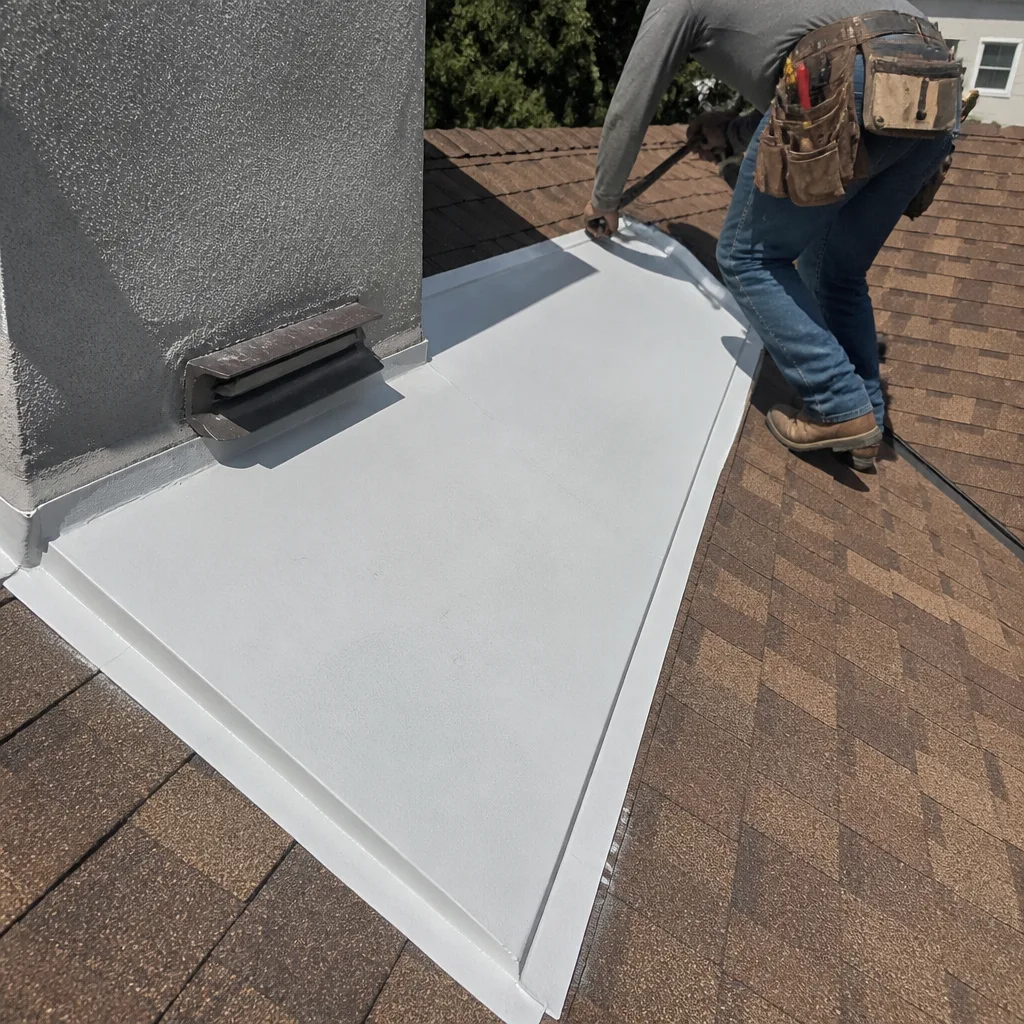 After
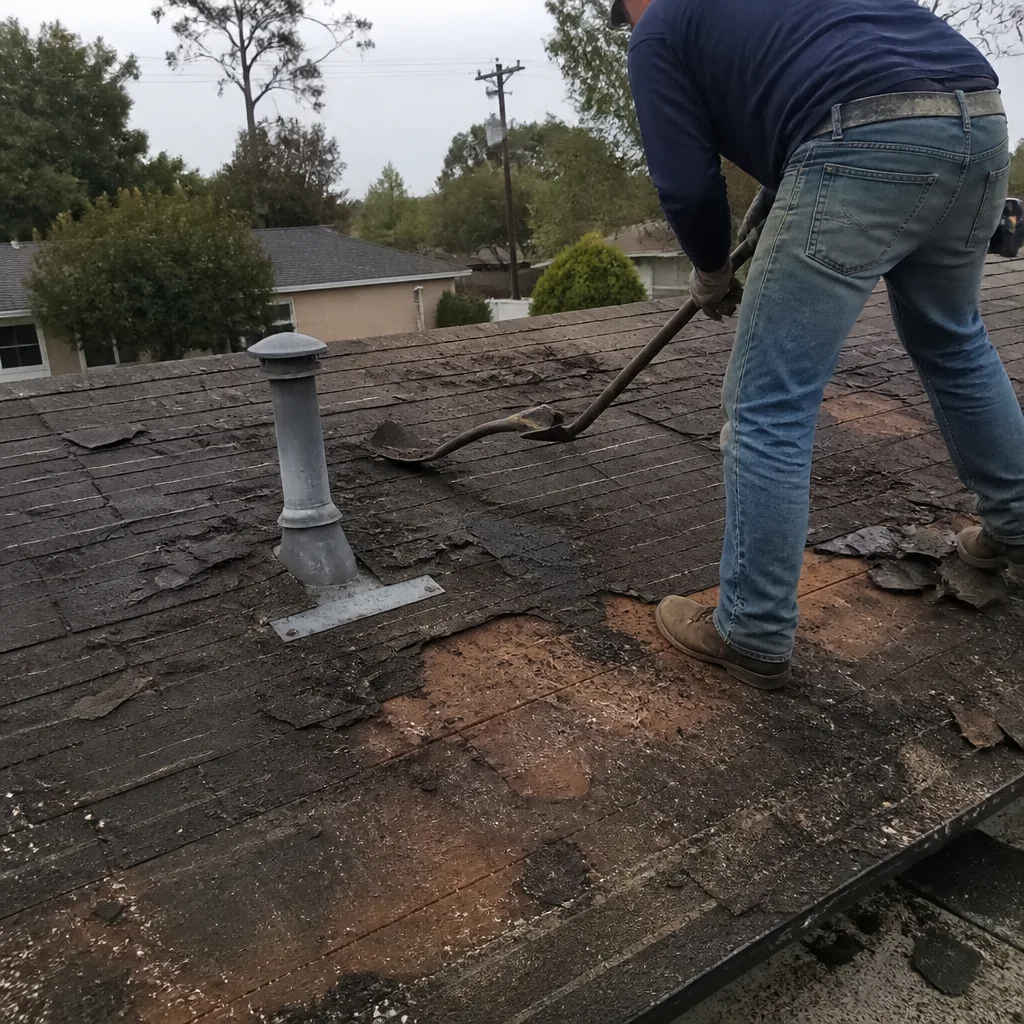 Before
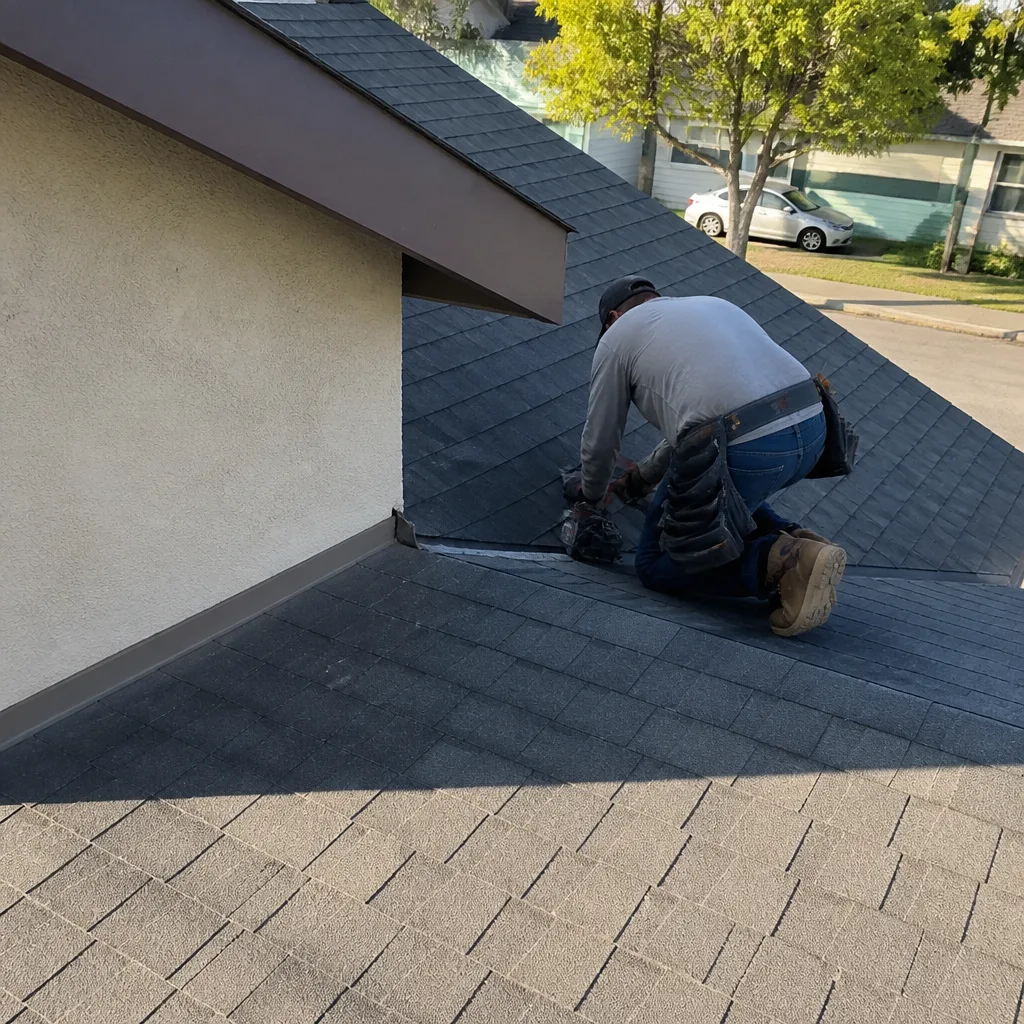 After
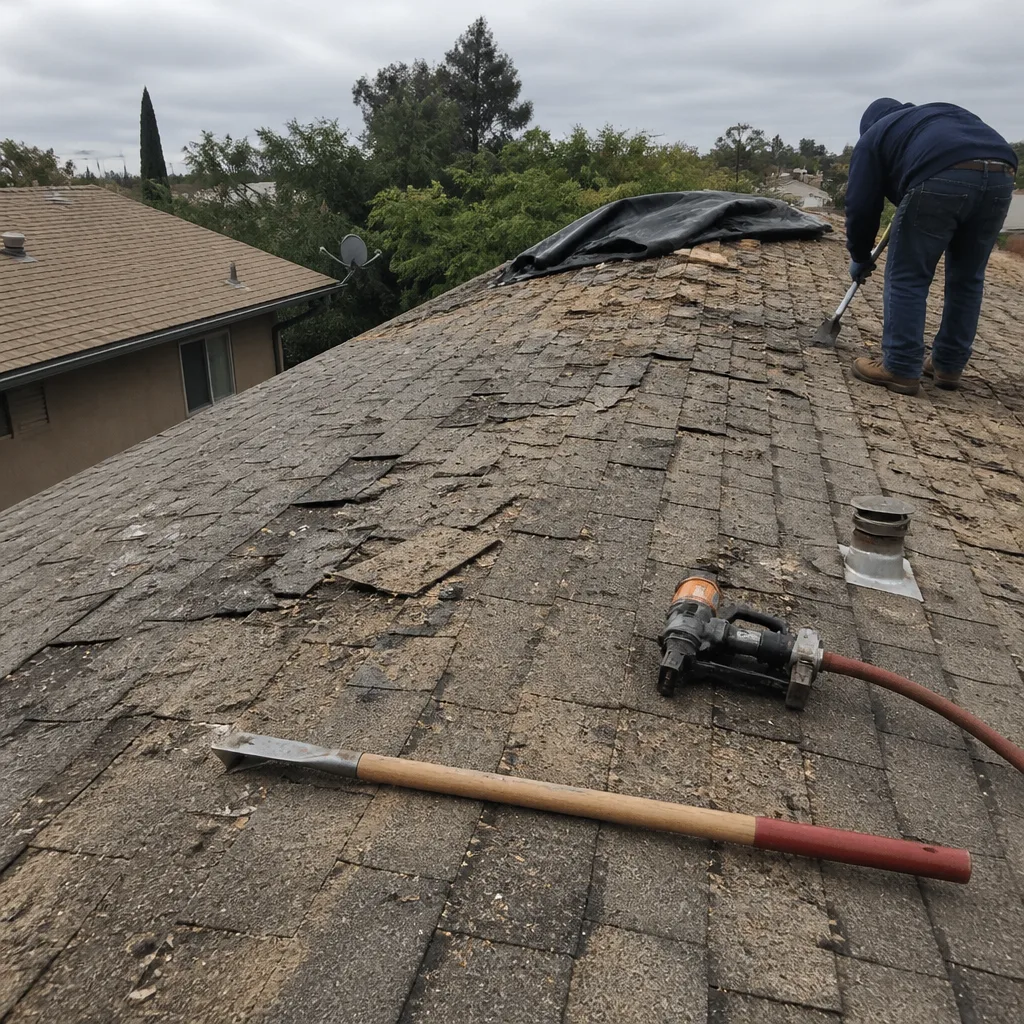 Before
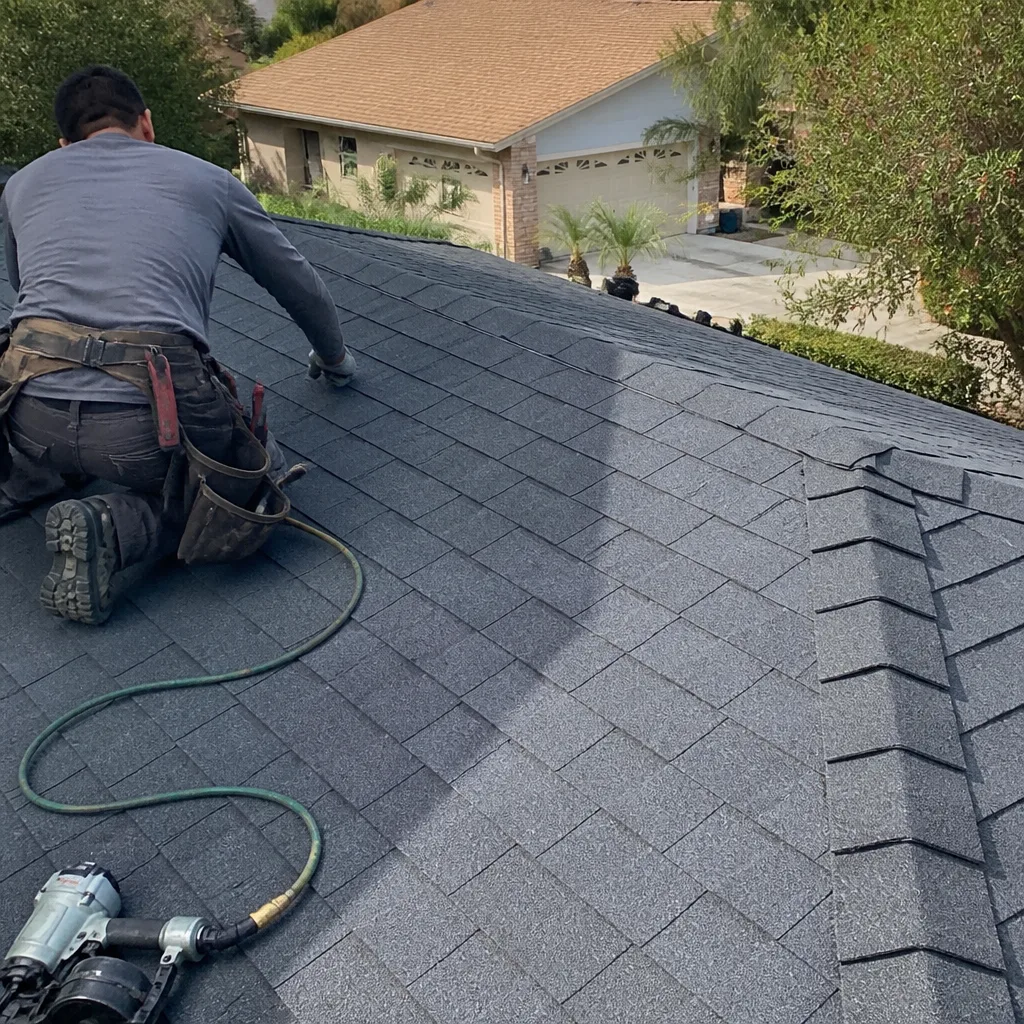 After
When to Call a Professional
Some seasonal maintenance tasks are doable for a confident homeowner: visual inspections from the ground, gutter clearing on a single-story home, checking the attic for daylight. Others are not. You should call a professional when sealant work requires walking the roof surface, when flashing needs to be reworked, when a roof has multiple layers or steep slopes, or when you’re unsure whether damage is cosmetic or structural. Any time water has penetrated the interior, professional assessment is warranted. Van Nuys Roofing Co offers free estimates in Van Nuys – call (866) 321-6172 to schedule yours. We inspect first, recommend second. If it’s a repair, we’ll tell you it’s a repair. If replacement actually makes more sense, we’ll tell you that too.
Frequently Asked Questions
For most Van Nuys roofs, once per year is the right cadence, ideally in late September or early October before the rain season begins. Roofs over 15 years old, roofs with significant tree canopy, and roofs that have already required repairs may benefit from a second check in spring. An annual Roof Inspection in Van Nuys catches heat-season damage before rain turns it into a leak.
Basic maintenance visits in Van Nuys, including inspection and minor sealant work, typically run between $200 and $500 depending on roof size, slope, and accessibility. Gutter cleaning runs $150 to $350 for a typical single-story home. Spot repairs vary widely based on what’s found. The cost of deferred maintenance is consistently higher – a relatively inexpensive October sealant touch-up prevents what becomes a four-figure interior repair after water intrusion. Call (866) 321-6172 for an exact quote on your roof.
Ground-level visual inspections and gutter cleaning are appropriate DIY tasks for many homeowners. Walking the roof to inspect sealants and flashing is not, especially on steep slopes, tile roofs, or any roof over one story high. Roof work is dangerous, and hot roof surfaces amplify the risk. If the task requires getting on the roof, hire a professional.
Heat is the primary aging factor in Van Nuys, and it shortens practical roof lifespan compared to coastal or cooler climates. Standard asphalt shingle roofs in the Valley typically need replacement after 15 to 22 years, depending on material quality and ventilation. Tile and metal roofs can last considerably longer with proper underlayment and fastener maintenance. A professional inspection gives you an honest read on where your roof sits in that timeline.
No. A legitimate roofing inspection in Van Nuys provides a condition assessment with no obligation. Van Nuys Roofing Co offers a standalone inspection service with no repair purchase required. You get the findings, you decide what to do with them. That’s the whole point of the inspection-first approach.
Roof leaks that occur during a storm need to be addressed quickly because water continues to enter the home. Van Nuys Roofing Co prioritizes active leak situations during rain season in Van Nuys. Call (866) 321-6172 the moment you notice water intrusion. Temporary mitigation can often be arranged until permanent repairs are possible.
The Bottom Line
Seasonal roofing care in Van Nuys is about respecting the two seasons your roof actually experiences. April prepares the roof for the heat season’s expansion and contraction. October repairs what the heat damaged before the rain exposes it. Everything else is reaction, and reaction is always more expensive. The homeowners who avoid major roof problems in this climate are not the ones with the newest roofs. They’re the ones who inspect at the right times, address small issues before they compound, and aren’t afraid to ask for an honest assessment. Whether you need a Van Nuys Roofing Co home inspection, a repair, or a full replacement, the right timing is the best money you’ll never spend on water damage.
Written by the team at Van Nuys Roofing Co, serving Van Nuys since 2015.