Last updated October 31, 2026
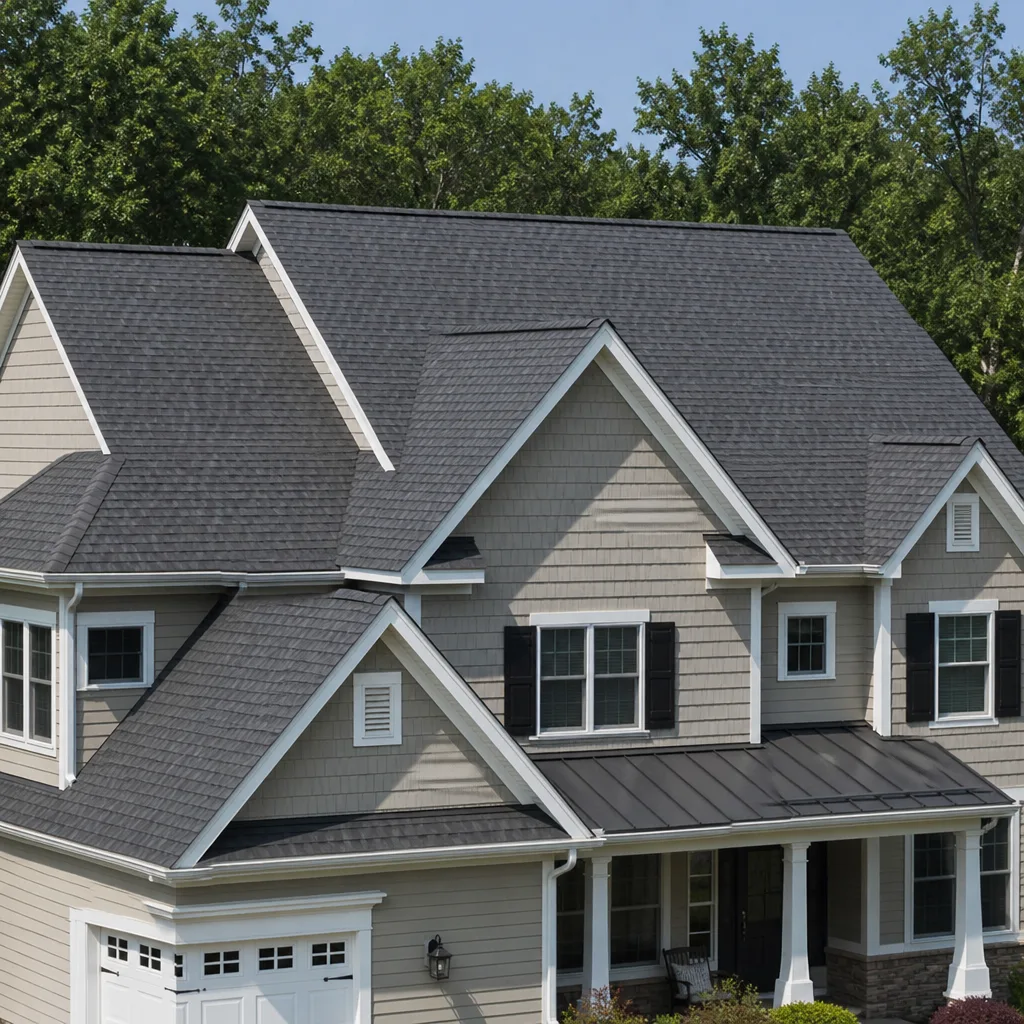 Architectural shingles
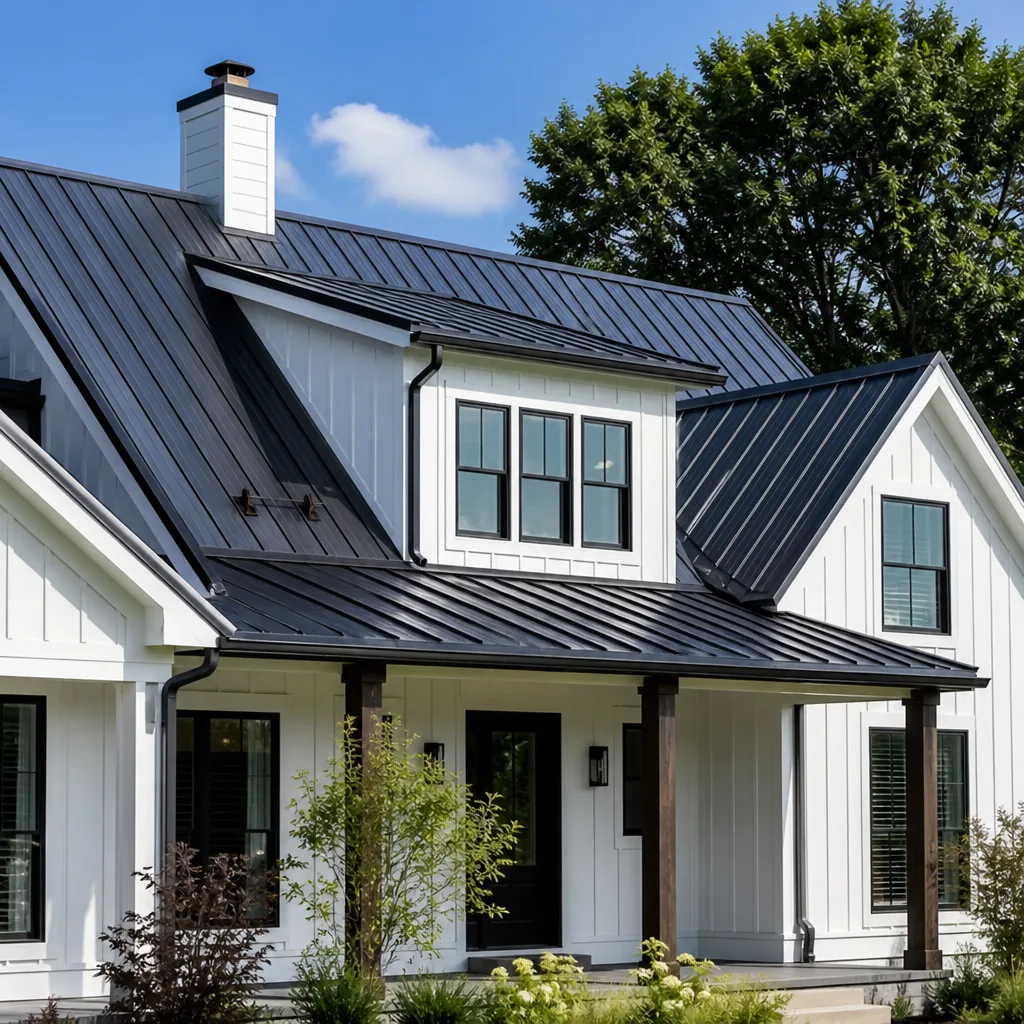 Metal roofing
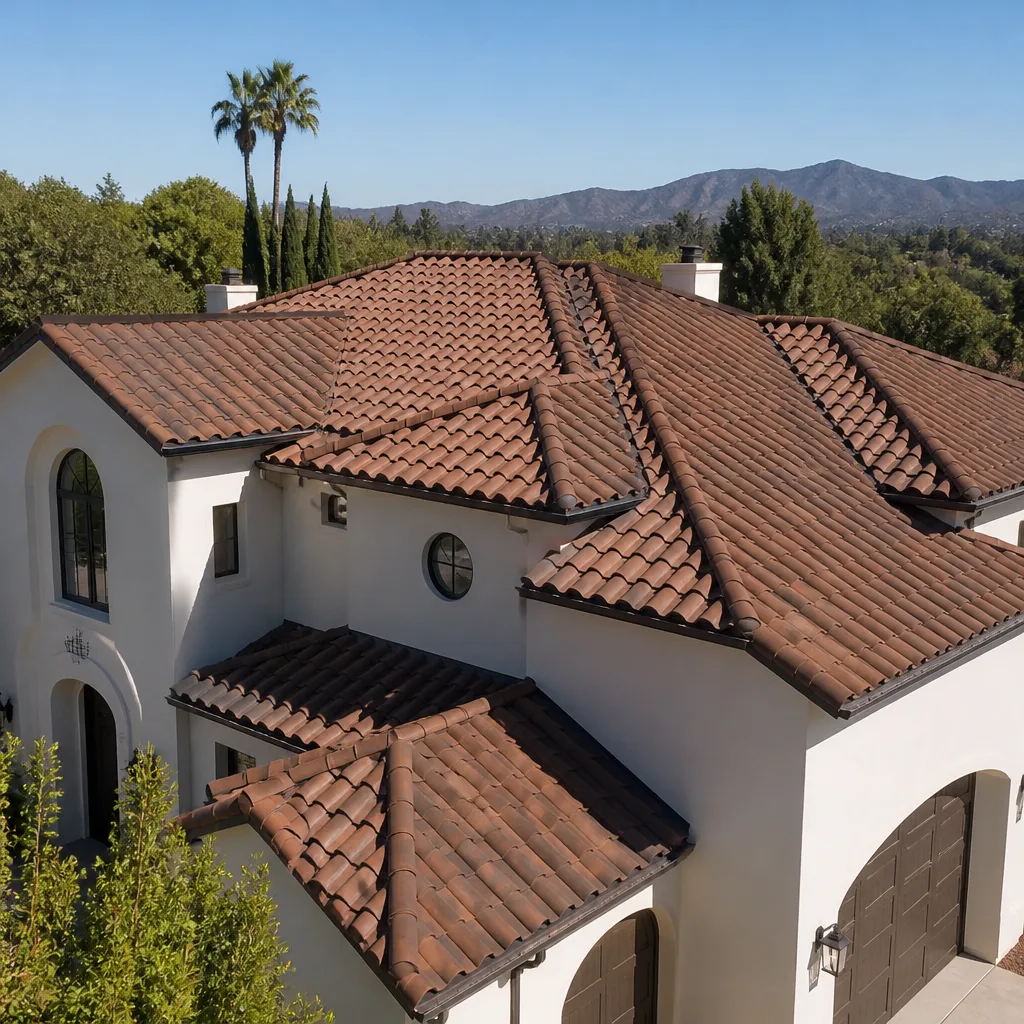 Tile roofing
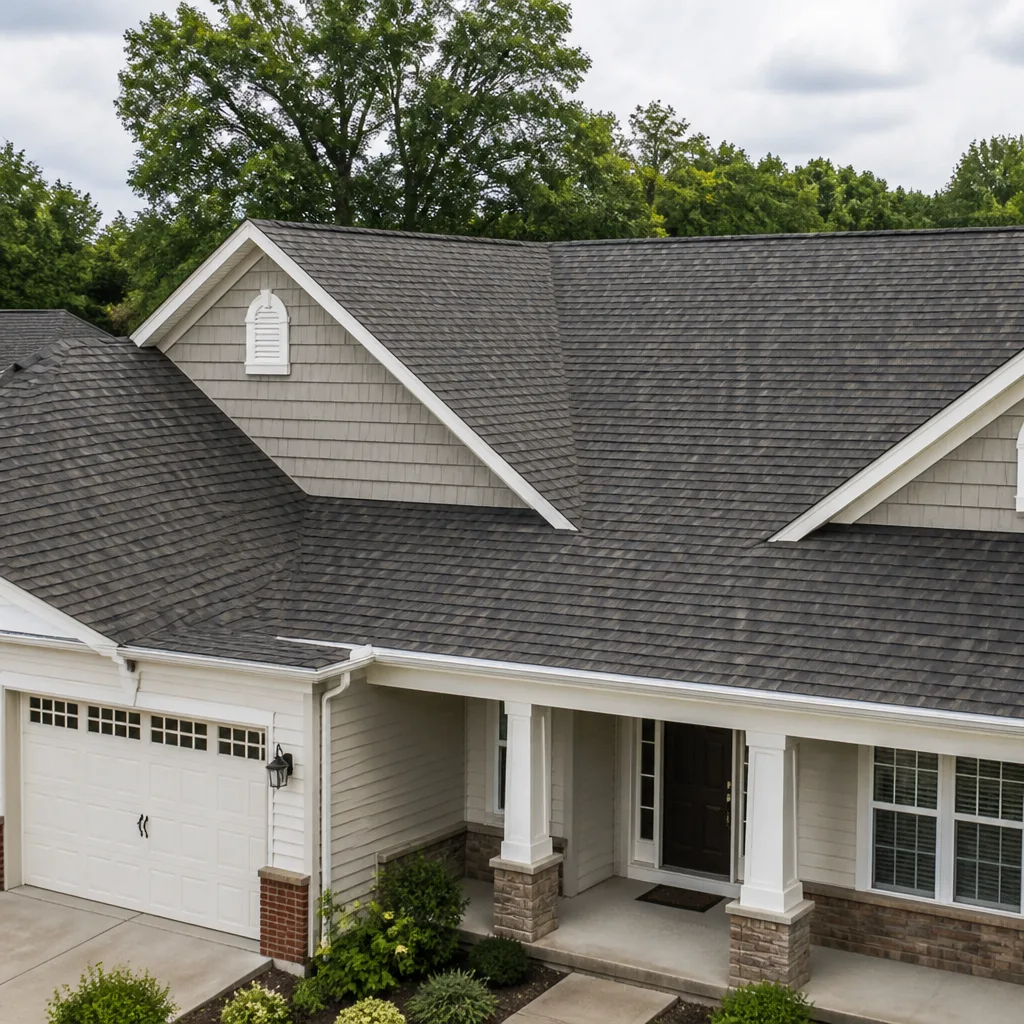 GAF
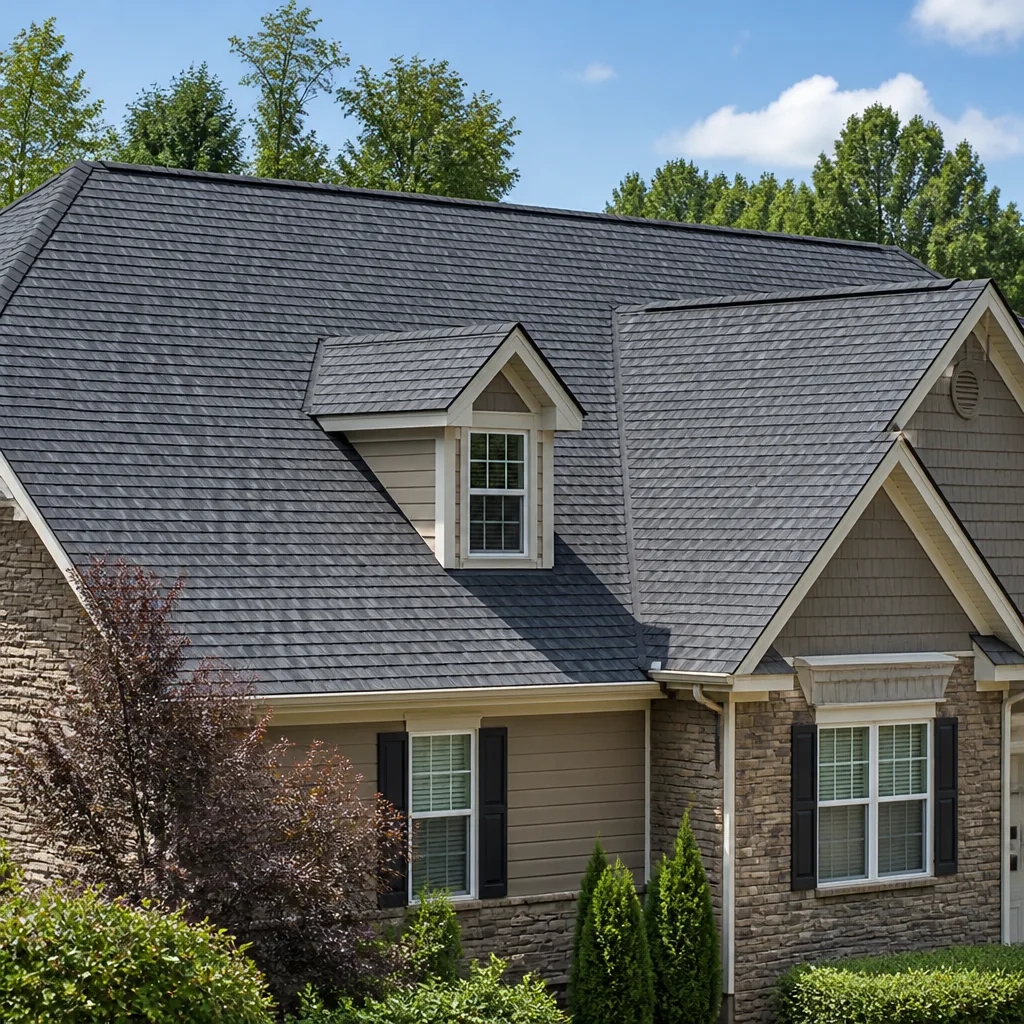 Owens Corning
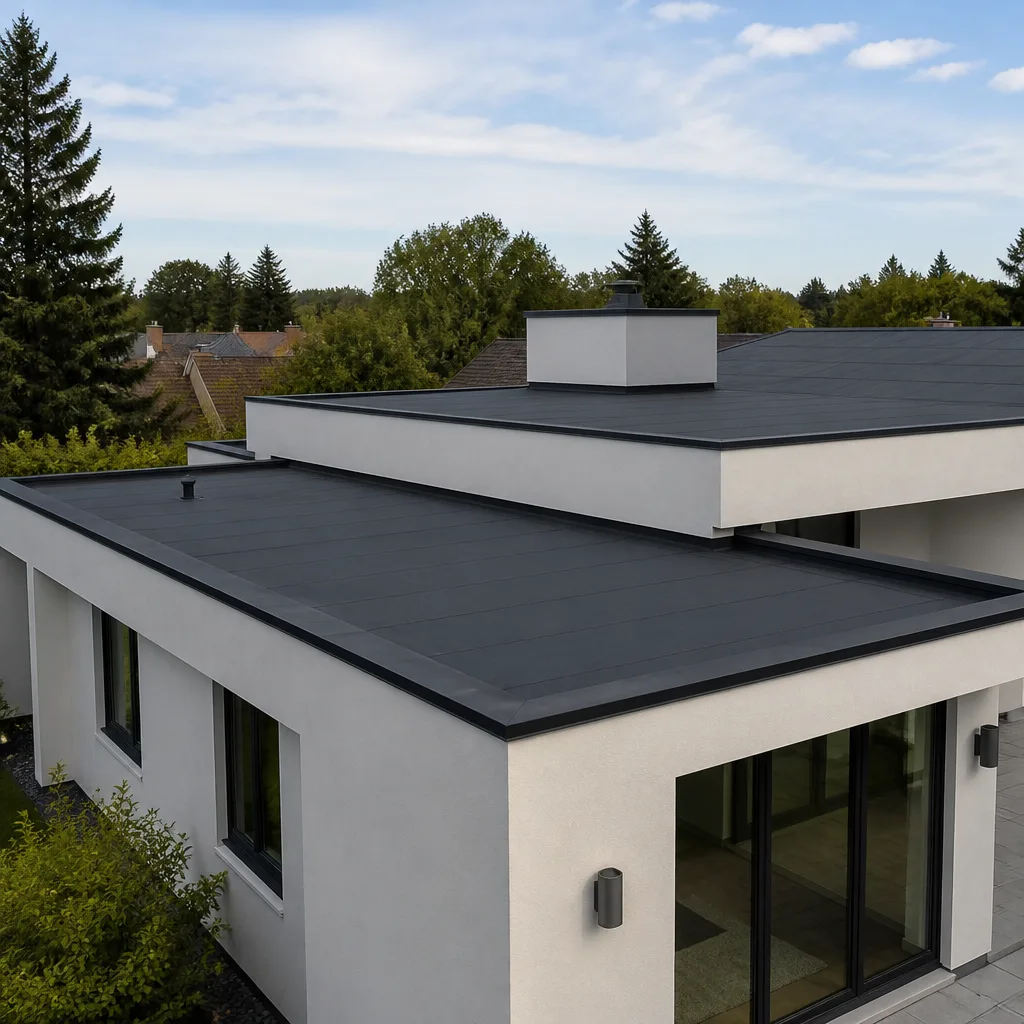 Flat & low-slope
Free roof inspection with deck photos before we talk money - GAF and Owens Corning certified installation
The Complete Roof Repair Guide for Van Nuys Homeowners
The San Fernando Valley averages 284 sunny days a year. That sounds like a selling point until you understand what relentless UV exposure does to asphalt shingles. Most roofing guides read like they were written for a generic American suburb, but Van Nuys has its own failure profile. The heat load here accelerates granule loss and binder degradation faster than almost any other metro in California, while Santa Ana winds create tear patterns you won’t see in coastal communities. This guide covers what actually fails on Van Nuys roofs, how to spot damage before it leaks, what repairs cost, and when a repair stops making sense and a replacement becomes the honest recommendation.
Quick Answer
Roof repair in Van Nuys typically costs between $450 and $1,800 depending on the failure type, and most localized repairs can be completed in a single day. The most common issues we see are wind-lifted shingles from Santa Ana events, UV-baked flashing failures around penetrations, and granule loss that has progressed to exposed fiberglass matting. If you’re seeing water stains inside, dark streaks on ceilings, or shingle granules in your gutters after every wind event, call (866) 321-6172 for a free inspection and a straight answer on whether repair or replacement is the right call.
Styles & brands we work with
Table of Contents
- Why Van Nuys Weather Creates Different Roof Failures
- The 5 Stages of UV-Accelerated Roof Degradation in the Valley
- Santa Ana Wind Damage: What It Looks Like and Why It’s Different
- Repair vs. Replacement: How to Decide Without a Sales Pitch
- Material Compatibility: Why Patching Old Shingles Doesn’t Always Work
- Permit Requirements for Roof Work in Van Nuys and LA County
- What Roof Repairs Actually Cost in Van Nuys
- The Inspection-First Approach: Why We Recommend It
Why Van Nuys Weather Creates Different Roof Failures
Van Nuys sits in a microclimate that punishes roofing materials in ways that coastal Los Angeles neighborhoods simply don’t experience. The daily temperature swing matters as much as the heat itself. Summer days routinely hit 95°F with roof surface temperatures climbing to 150°F or higher, then nights drop into the 60s. That’s a 90-degree daily expansion and contraction cycle repeated for months. Roofing materials flex every single day, and over years, that thermal cycling breaks down sealants, loosens fasteners, and creates hairline cracks in flashing.
The marine layer adds another wrinkle. Morning overcast keeps moisture on roof surfaces longer than you’d expect in a “dry” climate, then the afternoon sun burns it off. That wet-dry cycling accelerates corrosion on exposed metal components including pipe boots, chimney flashing, and valley metal. In our inspection work across Van Nuys, we consistently find flashing corrosion that’s 5 to 8 years ahead of what you’d see in, say, Santa Monica or Long Beach.
UV load is the third factor. The Valley’s clear, dry air means fewer clouds filtering solar radiation. Asphalt shingles rely on their granule layer to protect the asphalt binder from UV. When granules erode away, the binder oxidizes, becomes brittle, and cracks. This isn’t a slow, even process. South-facing and west-facing roof planes in Van Nuys degrade measurably faster than north and east planes on the same house. We’ve inspected homes in neighborhoods like Valley Glen and Lake Balboa where the south slope needed repair while the north slope still had years of life left.
What this means practically: roofing guides written generically miss the acceleration factor. A 20-year architectural shingle in mild climates might genuinely last 20 years. In Van Nuys, we start seeing UV-related failures on certain planes at 12 to 15 years. That’s not a material defect. It’s the climate doing what the climate does. The repair approach has to account for this local reality.
The 5 Stages of UV-Accelerated Roof Degradation in the Valley
Understanding where your roof sits in the degradation sequence determines what repair approach makes sense. Here’s what 15 years of inspection work in Van Nuys has taught us about the progression:
Stage 1: Granule Shedding (Years 5-8)
Slight granule loss is normal for any asphalt shingle, especially in the first two years as manufacturing excess sheds. What’s not normal is when you notice granules accumulating in gutters and downspout splash blocks every few months after year five. In Van Nuys, UV exposure starts degrading the asphalt’s grip on granules earlier than elsewhere. At this stage, the shingle structure is still intact. No repair is needed yet, but this is when annual inspections become worth the cost. You’re catching the problem before it becomes a leak.
Stage 2: Surface Crazing and Balding (Years 8-12)
You’ll see shingles with visible bald patches where granule coverage has thinned to the point that the asphalt matrix is visible. The surface may have fine spiderweb cracks called crazing. In our experience, this shows up first on south-facing and west-facing planes in Van Nuys homes. At this stage, localized repair is still viable if the damage is limited to a few shingles or a single slope. The surrounding shingles may have 3 to 5 years of serviceable life left. Patching makes sense.
Stage 3: Exposed Fiberglass Matting (Years 12-15)
This is the stage where water intrusion becomes likely. The granule layer is gone in spots, the asphalt binder has oxidized, and the fiberglass mat underneath is visible. UV has broken down the waterproofing layer. The shingles are still shedding water in most cases, but they’re brittle. Foot traffic cracks them. Wind lifts them. In Van Nuys, stage 3 damage is the most common thing we see during inspections. Repair is possible, but the definition of “localized” starts shrinking. The surrounding field shingles are approaching end of life, and every repair risks damaging adjacent material.
Stage 4: Structural Brittleness and Cracking (Years 15-18)
The shingles have lost flexibility. They crack when temperatures swing, especially after Santa Ana wind events when the material is cold and brittle. You’ll see cracks running through the shingle body, not just the surface. At this point, repair becomes a temporary patch at best. The roof system as a whole has reached functional end of life. Patching a stage 4 roof is usually money spent delaying an inevitability.
Stage 5: Systemic Failure (Years 18+)
If a Van Nuys roof reaches stage 5 without replacement, you’re likely seeing interior water damage. The underlayment beneath the shingles has also degraded, which means water that gets past the shingle layer has no second line of defense. Repairs at this stage are stopgap measures only. Replacement is the honest recommendation, and any roofer who tells you otherwise is either inexperienced or hoping to sell you a repair now and a replacement later.
The pattern across all stages: the repair-versus-replace decision is a function of how far the degradation has progressed, not how old the roof is in calendar years. A 9-year-old roof with south-slope stage 2 damage is a repair candidate. A 14-year-old roof with stage 3 damage across multiple slopes is a replacement conversation.
Santa Ana Wind Damage: What It Looks Like and Why It’s Different
Santa Ana events in Van Nuys produce a very specific damage pattern that differs from standard storm damage in two ways. First, the winds are dry and sustained. Unlike a thunderstorm, which produces brief, gusty turbulence, Santa Ana winds blow steadily for hours or days at 30 to 50 mph with higher gusts. Second, the direction matters. Santa Anas come from the northeast, funneling through passes like San Fernando Pass and Whitney Canyon. That directionality means certain roof planes take sustained pressure loading while others sit in relative calm.
Here’s what Santa Ana damage typically looks like on a Van Nuys roof:
- Lifted shingle tabs on the windward (northeast-facing) plane: The sustained pressure works under the shingle’s leading edge, breaking the adhesive seal strip. The shingle lifts but often doesn’t tear. This is repairable if caught before the next rain event.
- Creased shingles: When a lifted shingle catches repeated gusts, the material folds backward, creating a permanent crease. The crease becomes a weak point that eventually tears. Creased shingles need replacement, not resealing.
- Displaced ridge caps: Ridge cap shingles are particularly exposed to wind uplift. Santa Ana events frequently peel them loose or tear them off entirely. Ridge repair is straightforward, but if ridge caps have been repeatedly displaced, it may indicate the underlying ridge vent or fastening is compromised.
- Flashing separation at rakes and eaves: Wind gets under the metal drip edge at roof edges and loosens it. This creates an invitation for wind-driven rain later. Flashing repair after Santa Ana season is one of the highest-value fixes you can make.
The key difference from storm damage: Santa Ana damage is often dry. No rain accompanies the wind, so homeowners don’t see leaks. They may not even notice the damage until months later when a winter rainstorm finds the opening the wind created. We recommend checking your roof or scheduling an inspection after any Santa Ana event with gusts above 40 mph, even if everything “looks fine” from the ground. The damage is real; the leak just hasn’t happened yet.
Repair vs. Replacement: How to Decide Without a Sales Pitch
Every roofer in Van Nuys has a bias. Replacement contractors will find reasons to replace. Repair-focused shops will patch things that should be replaced. Our position is that the inspection data should drive the answer, not the sales target. Here’s the decision framework we use, and you can apply it yourself before you ever call a contractor:
Step 1: Determine the Roof’s Remaining Service Life
Use the degradation stages above. If the roof is at stage 1 or 2, the surrounding field shingles have meaningful life left, and repair is the logical choice. If it’s at stage 3 or beyond on the damaged slope, you’re patching a roof that’s nearing replacement anyway. The economics shift.
Step 2: Assess the Damage Footprint
Is the damage localized to one slope, one penetration, or one section of flashing? Or is it scattered across multiple planes? Localized damage in an otherwise healthy system is a repair. Scattered damage on a stage 2 or 3 roof suggests systemic aging, not isolated failures. Replacement becomes the more durable solution.
Step 3: Consider the Material Match Problem
If your shingles are more than 8 years old, finding an exact match for repair is difficult. Current-production shingles from the same manufacturer may have different color lot formulations, different granule blends, and different dimensional profiles. Patching is possible, but visible. Some homeowners don’t care about the patch. If curb appeal matters, replacement of the entire slope at minimum may be the better play.
Step 4: Calculate the Cost Per Year
A $1,200 repair that buys you 3 years of service costs $400 per year. A $14,000 replacement that buys you 20+ years costs $700 per year. If the repair is a short-term bridge and replacement is inevitable, the timing question becomes: is there value in delaying the replacement for financial planning, or are you just spending money twice? We give clients both numbers and let them decide. Your roof, your material choice, and your timeline.
Here’s the honest breakdown most homeowners find useful:
| Roof Condition | Repair Viable? | Replacement Recommended? | Typical Cost Range in Van Nuys |
|---|---|---|---|
| Stage 1, isolated damage | Yes | No | $450-$900 |
| Stage 2, single slope | Yes, often | Only if material match matters | $800-$1,600 |
| Stage 3, scattered damage | Limited | Yes, within 1-3 years | $1,500-$2,500 for repair; $12K-$18K for replacement |
| Stage 4-5 | Stopgap only | Yes, now | Replacement: $12K-$22K depending on material |
We inspect first and recommend second. That’s the only order that makes sense for a homeowner trying to make a five-figure decision with confidence.
Material Compatibility: Why Patching Old Shingles Doesn’t Always Work
This is the section most roofing guides skip entirely, and it’s where homeowners end up disappointed. Here’s the reality: a shingle doesn’t just sit on your roof. It interlocks with the shingles around it through adhesive strips, nail patterns, and dimensional overlap. When you patch a 20-year-old architectural shingle with a current-production shingle, three things create problems:
Dimensional Mismatch
Shingle profiles change over time. The current production of a given product line may be thicker, thinner, or shaped slightly differently than the version manufactured 15 years ago. The new shingle sits differently in the field. It may telegraph its outline through the surrounding material. More importantly, the dimensional gap creates a channel where water can pool or track sideways during wind-driven rain.
Color Lot Drift
Granule color blends vary between production runs. Even the “same” color from the same manufacturer will have visible variation between lots separated by a decade. Some homeowners in Van Nuys have accepted this as a short-term tradeoff. Others find it unacceptable on a visible roof plane. There’s no right answer, but you should know the limitation before you approve the work.
Seal Strip Incompatibility
Modern shingles use modified asphalt sealants that activate at specific temperatures. Older shingles used different chemistry. The new patch shingle may not bond reliably to the surrounding older shingles, especially on a north-facing Van Nuys slope that doesn’t get the intense afternoon heat needed to fully activate the sealant. An unbonded patch shingle is a wind-lift candidate during the next Santa Ana event.
Our material-neutral position helps here. Because we work across seven leading roofing brands including CertainTeed, Owens Corning, IKO, and Atlas, we can source the closest available match from the broadest possible inventory. Single-brand shops can only offer what their manufacturer produces. Frequently, the best repair source is a local building supply yard that still carries older stock, and that sourcing decision is independent of our labor. We’ll tell you what’s actually available and what the tradeoffs are. Then you decide.
Permit Requirements for Roof Work in Van Nuys and LA County
Roof repair in Van Nuys operates under Los Angeles County building code, which distinguishes between maintenance-type work and structural modification. Here’s the practical breakdown:
What Does NOT Need a Permit
- Repairing or replacing individual shingles, tiles, or shakes in quantities under 25% of a single roof plane
- Resealing flashing or replacing small sections of flashing around pipes and vents
- Recaulking, recoating, or surface-level maintenance that doesn’t involve removing the roofing system
- Replacing individual ridge caps or small sections of ridge material
What DOES Need a Permit
- Repairs exceeding 25% of a roof plane – this triggers a re-roof permit under LA County rules
- Any work that involves replacing or modifying the roof decking (sheathing)
- Full roof replacement, regardless of whether it’s a like-for-like material swap
- Changes to the roof structure, including adding skylights, changing pitch, or modifying the drainage pattern
The 25% threshold matters to Van Nuys homeowners for a very specific reason: if your roof has extensive wind or UV damage, the cost difference between “repair” and “replacement” may include a permit fee of $400 to $800 depending on the valuation of the work. If you’re at 23% damage, the repair pricing is straightforward. At 27%, the project becomes a re-roof with inspection requirements. A knowledgeable contractor can help you navigate exactly where your project lands. Some homeowners choose to hold a repair just under the threshold and plan for replacement the following year. Others bundle the entire scope into one permitted job to avoid paying twice. Both approaches are valid; what matters is that you understand the line before you commit.
At Roof Repair in Van Nuys, we’ll flag the permit threshold early in the conversation. If a repair crosses into replacement territory under code, you’ll know before you spend a dollar.
What Roof Repairs Actually Cost in Van Nuys
Pricing in the Valley runs a bit higher than the national averages because of two local factors: the cost of doing business in Los Angeles County (workers’ compensation, insurance, and disposal fees are higher than most markets) and the specialized nature of the repair work. Here’s what you should expect to pay in Van Nuys for common repair types as of this writing:
| Repair Type | Typical Range in Van Nuys | What It Includes |
|---|---|---|
| Shingle repair (single slope, under 10 shingles) | $450-$850 | Labor, materials, basic disposal, sealing |
| Flashing repair (pipe boot, chimney step flashing) | $550-$1,200 | Flashing replacement, sealant, base repair if needed |
| Ridge cap replacement | $500-$900 | Ridge material, fastening, sealant |
| Skylight curb re-flashing | $700-$1,500 | Flashing, sealant, integration with surrounding shingles |
| Gutter apron / drip edge repair | $400-$800 | Metal replacement, fastening, edge sealing |
| Localized underlayment repair under shingles | $900-$1,800 | Shingles removed, underlayment patched, shingles reset |
These ranges cover typical asphalt shingle systems, which are the most common roofing material in Van Nuys. Tile roofs cost more per repair because of the difficulty and breakage risk of handling concrete or clay tiles. Flat and low-slope roofs using modified bitumen or single-ply membrane materials have their own pricing structure, generally $650 to $1,400 for a localized membrane patch.
One note on pricing: we don’t play the range game where the low number is for an unrealistic best-case scenario. The ranges above reflect what we actually see on Van Nuys homes where the damage is as described. If a roof has hidden decking damage or multiple failure points discovered during the repair, costs can rise. We’ll tell you before any work proceeds. Written line-item estimates are how we operate.
A Roof Inspection in Van Nuys costs significantly less than any repair and tells you exactly what you’re dealing with. If you’re not sure where your roof stands, start there.
The Inspection-First Approach: Why We Recommend It
Most roofing problems in Van Nuys are not emergencies. They’re chronic conditions that have been developing for years. The homeowner who discovers a water stain on the ceiling is usually looking at a failure that started two or three winters earlier. That’s the argument for inspections before you need them.
Here’s the sequence to follow, in order:
- Schedule an inspection after any significant weather event – Santa Ana wind above 40 mph, heavy rain, or hail (rare in Van Nuys but not unheard of).
- Schedule an annual inspection – this is when granule loss, seal strip failures, and flashing corrosion are caught at stages where repair is cheap and effective.
- Schedule an inspection before buying a home – a general home inspector will not catch roof issues that a roofing-specific inspection will. This is worth the extra cost.
- Schedule an inspection when you notice anything unusual – granules in gutters, a musty attic smell, visible sagging, daylight through roof boards in the attic.
Our inspection service is standalone. You can hire us to assess your roof without any obligation to purchase repair or replacement work from us. That’s the point: we inspect first, recommend second. If the roof is fine, we’ll tell you it’s fine and document what we found. If it has a specific problem, we’ll show you photos and explain what the repair entails and what it costs. If it’s time to replace, we’ll make that case with data, not pressure.
The three services we handle in-house – Roof Repair in Van Nuys, Roof Replacement in Van Nuys, and Roof Inspection in Van Nuys – exist in that order for a reason. Inspection identifies the problem. Repair fixes it when repair is the rational choice. Replacement is the option when repair no longer makes financial sense. One company, no referrals, no handoffs.
Common Mistakes to Avoid
- Ignoring granule loss until the shingles are bald. By the time bare spots are visible from the ground, the roof has been in stage 2 or 3 degradation for years. Earlier intervention costs a fraction of late-stage repairs. Van Nuys’s UV load means this progression happens faster than in coastal cities.
- Assuming a small leak is a small problem. Water travels laterally along the roof deck before it finds an opening into the living space. The visible stain is rarely directly under the actual roof breach. A small interior stain often indicates a much larger wet area in the decking.
- Patching a stage 3 or 4 roof repeatedly. We see homes in Van Nuys where homeowners have spent $3,000 to $4,000 on successive patches over five years on a roof that should have been replaced after the first inspection. Every patch dollar on a dead roof is a dollar not applied toward a durable solution.
- Choosing a contractor based on price alone. The roofing market in LA County includes operators with minimal insurance, day-labor crews, and no local accountability. A repair that fails because of poor workmanship costs more than the original repair, especially when winter rain reveals the shortcut.
- Skipping the permit when required. In Van Nuys, unpermitted roof work that exceeds the 25% threshold creates liability when you sell the home and can invalidate insurance claims. The permit fee is a minor cost compared to the complications of undocumented work.
- Treating all roof materials as interchangeable. The repair approach that works for asphalt shingles doesn’t apply to tile, modified bitumen, or single-ply membranes. Each material system has specific fastening, sealing, and compatibility requirements. This is why multi-brand, multi-material experience matters more than brand loyalty.
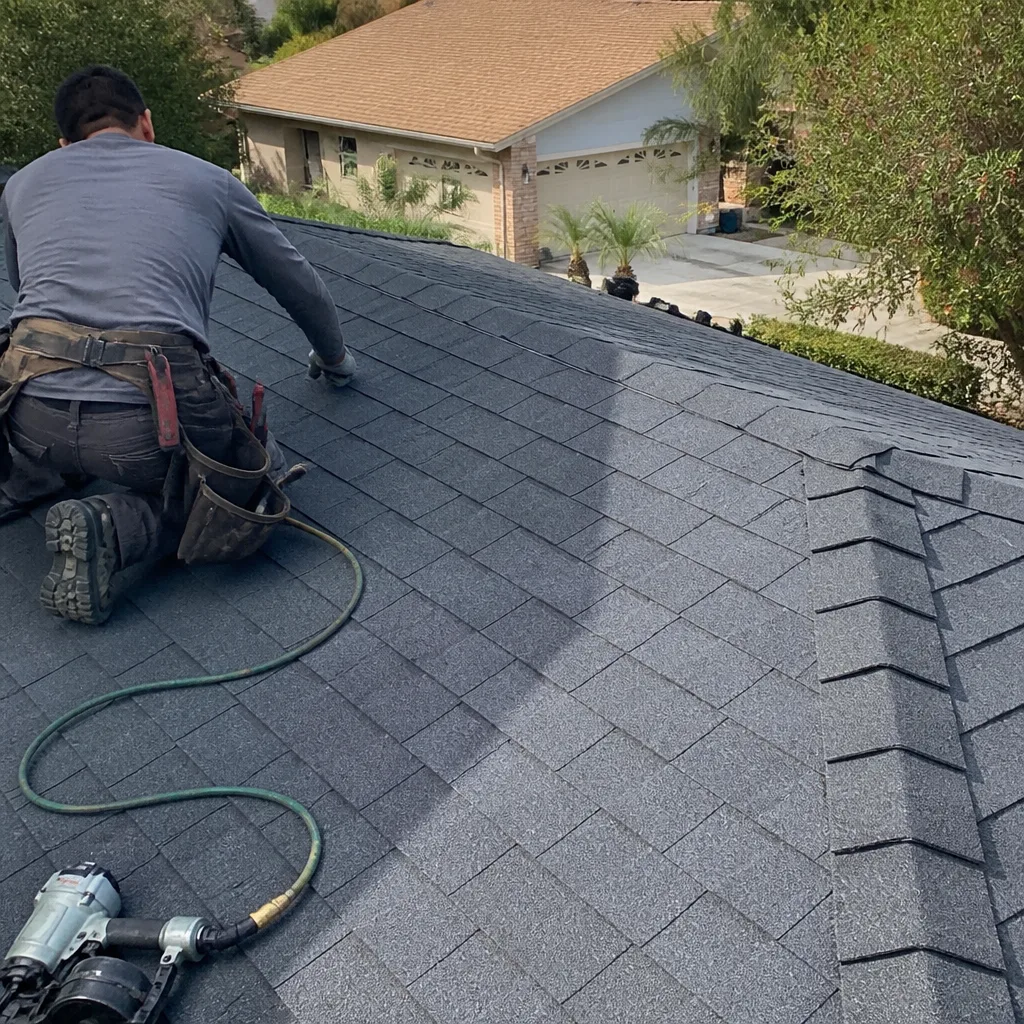
See the difference
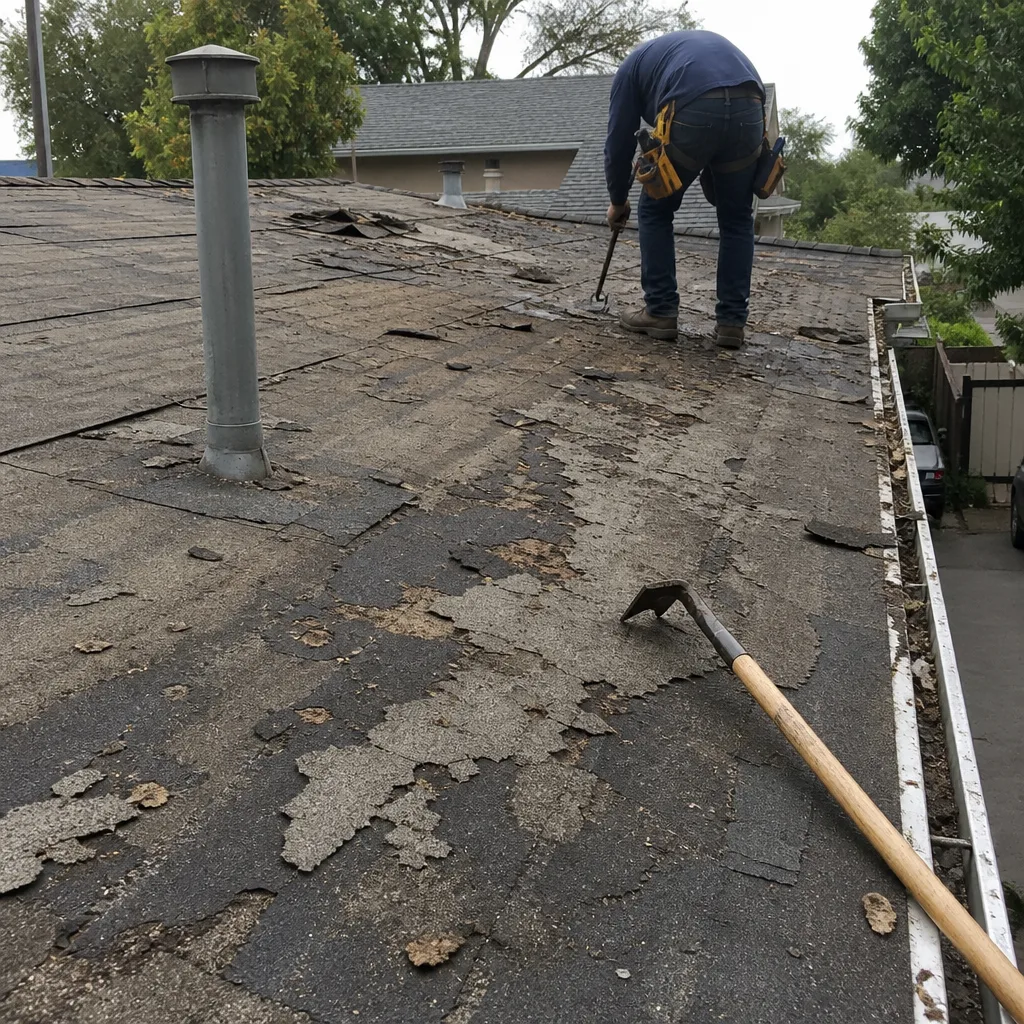 Before
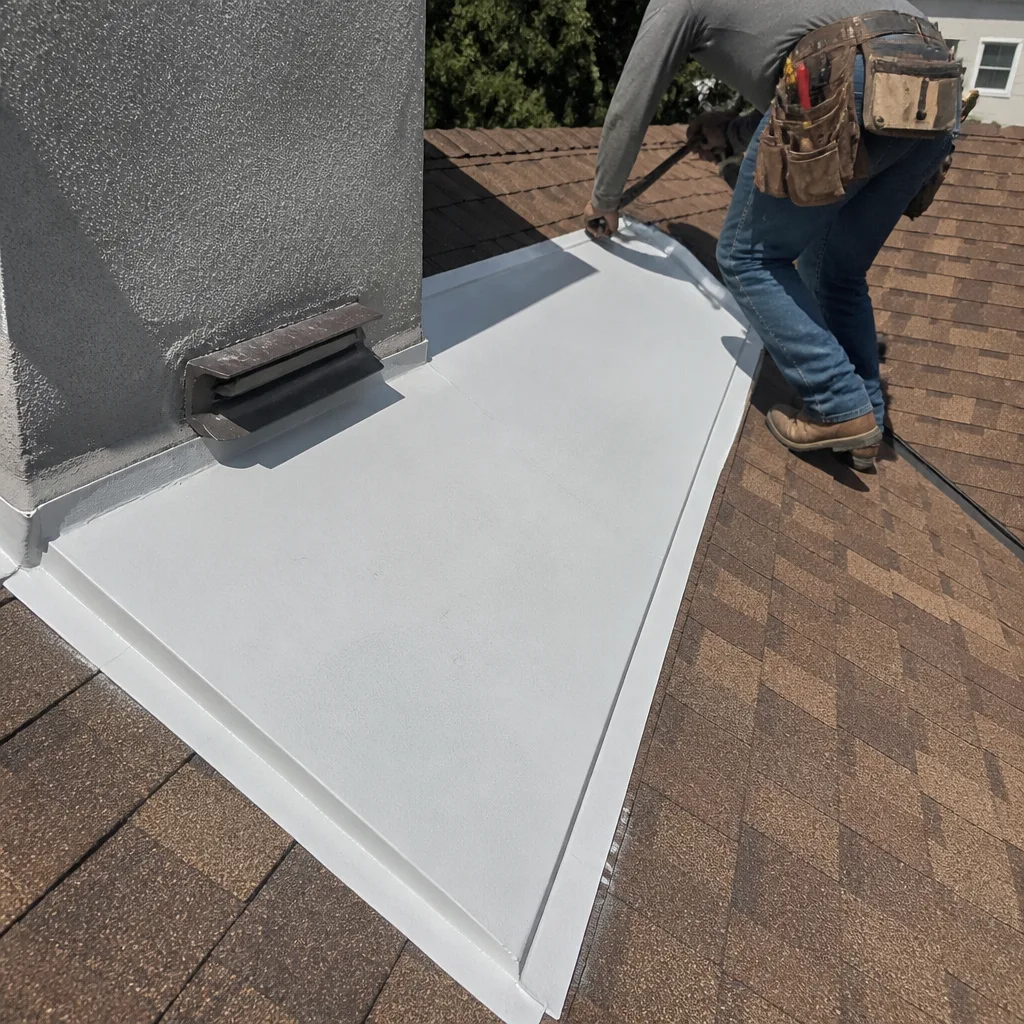 After
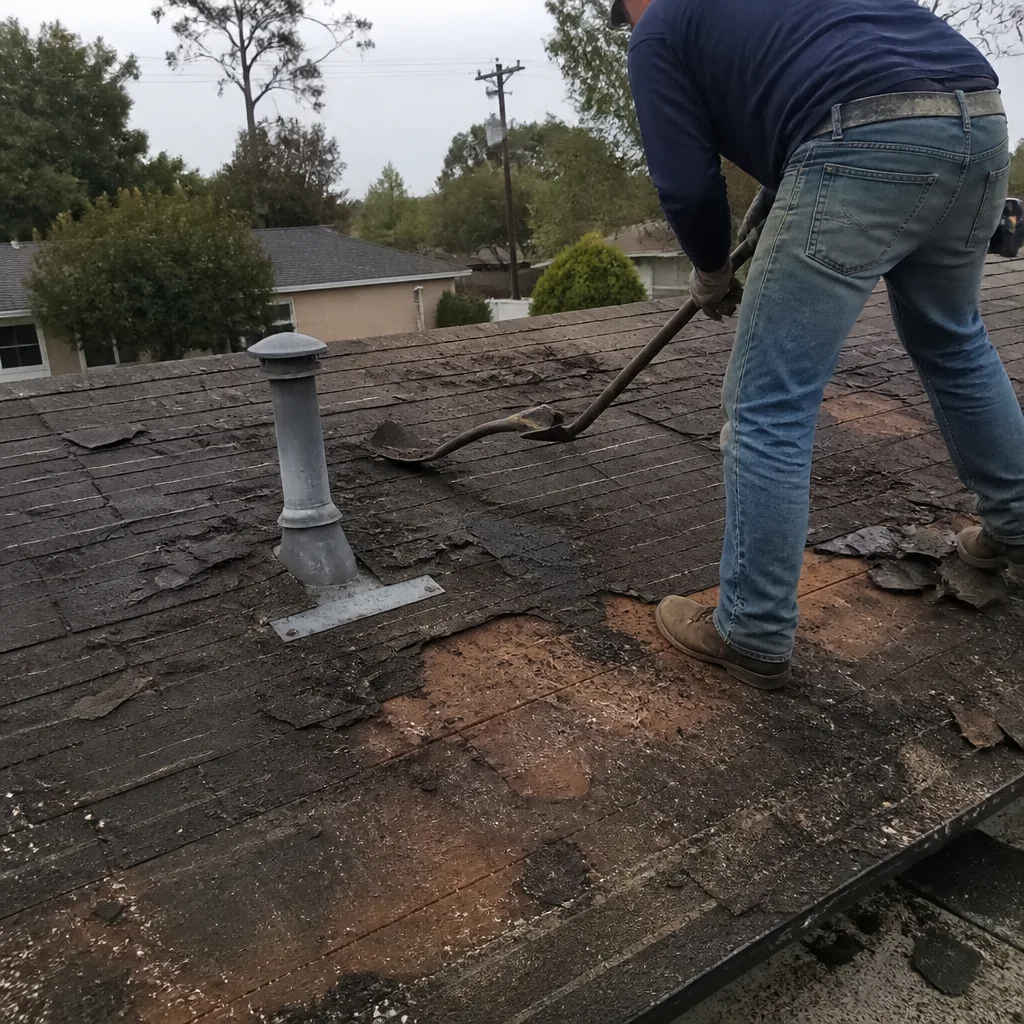 Before
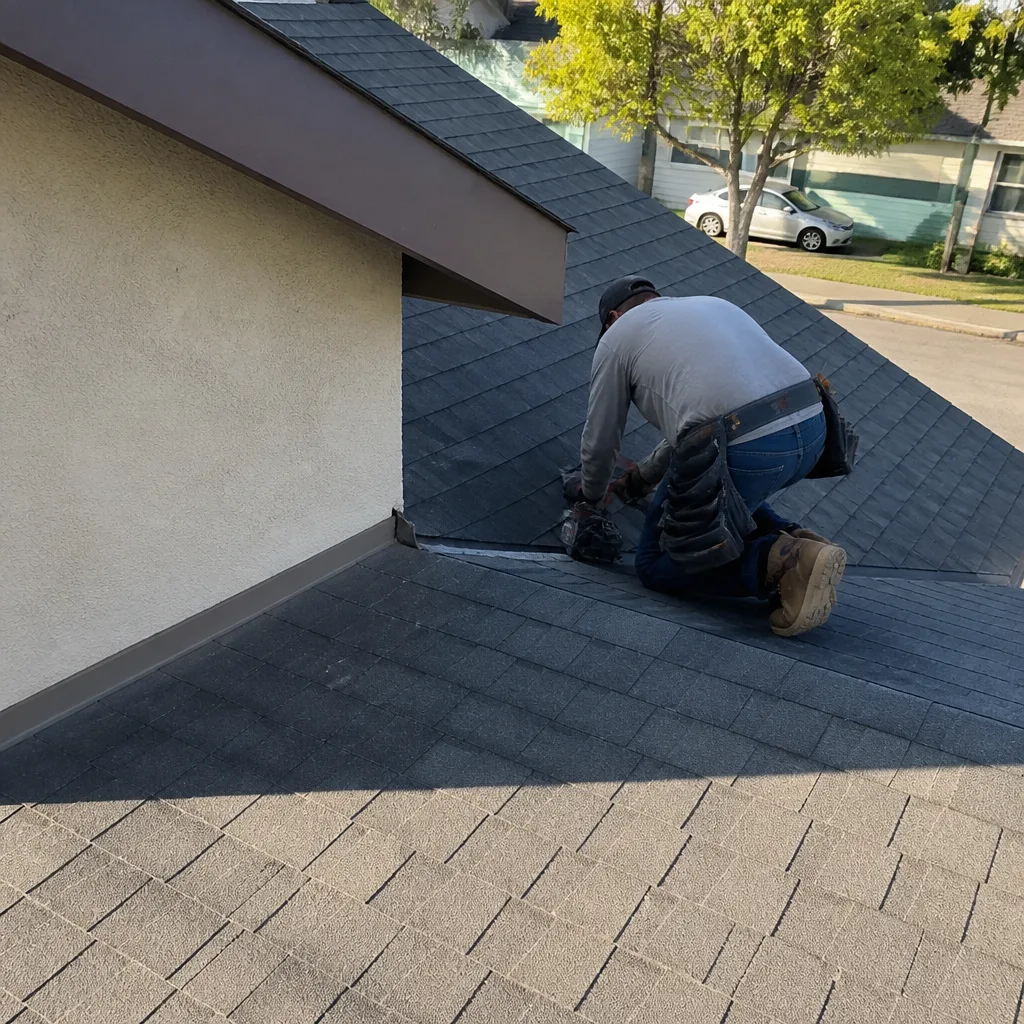 After
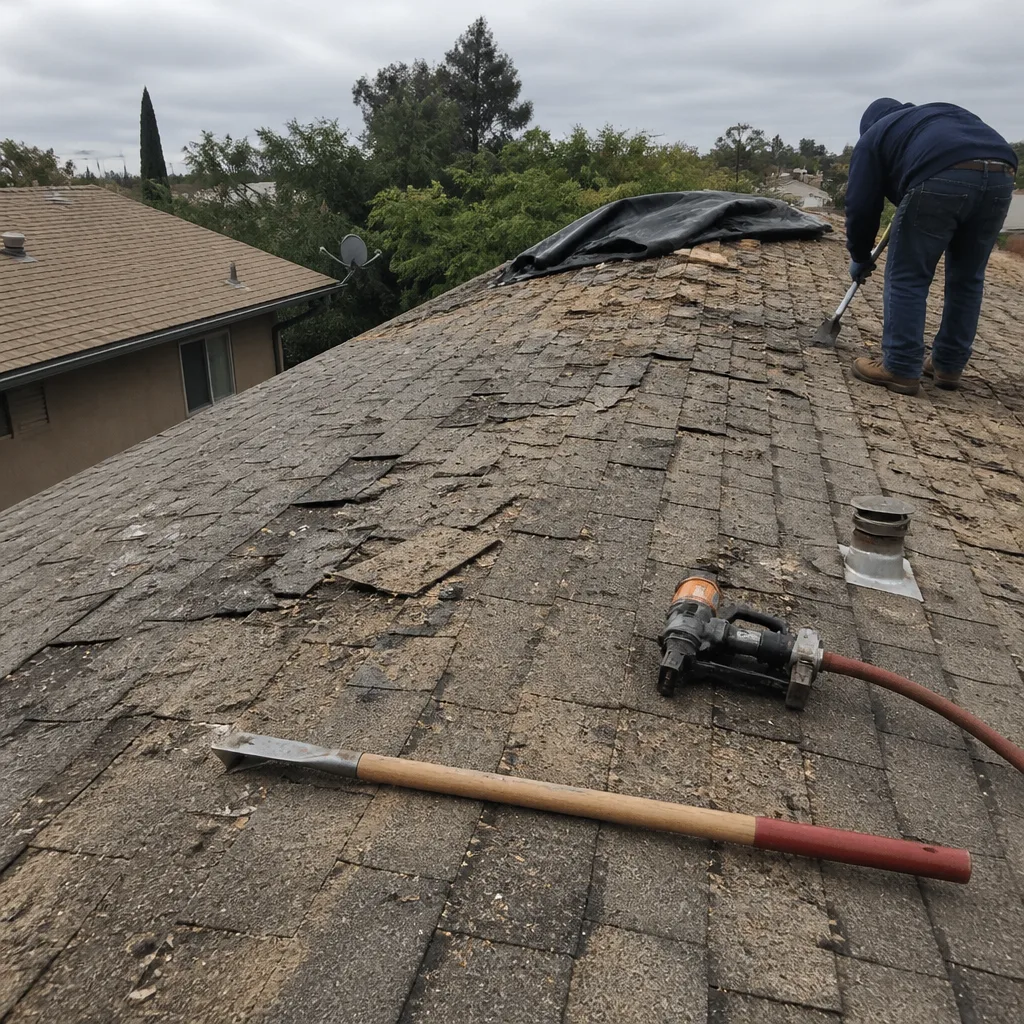 Before
 After
When to Call a Professional
Any roof repair involves working at height on a sloped surface with materials that can shift unexpectedly. Falls from roofs are a leading cause of construction-related injury and death, and the risk increases for homeowners who don’t work on roofs regularly. Certain conditions make professional involvement non-negotiable: you have a two-story home with a steep pitch; you’re not fully comfortable and experienced on a ladder; the damage involves electrical service entry points; or the roof shows signs of structural sagging. Safety equipment, training, and experience matter.
Beyond safety, there’s the diagnostic question. Most roof leaks in Van Nuys are not where they appear to be. Finding the actual entry point requires an understanding of water travel patterns, material interfaces, and local weather loading. Van Nuys Roofing Co offers free estimates in Van Nuys – call (866) 321-6172 to schedule an inspection and get a professional assessment of what your roof actually needs.
Frequently Asked Questions
Most roof repairs in Van Nuys fall between $450 and $1,800. Simple shingle replacement on a single slope starts around $450 to $850, flashing work runs $550 to $1,200, and more involved repairs involving underlayment or skylight integration can reach $1,500 or higher. The exact cost depends on material type, access difficulty, and the extent of hidden damage discovered during the work. Call (866) 321-6172 for a free estimate with a written line-item breakdown.
Most localized repairs can be completed in a single day once materials are sourced and scheduled. However, material sourcing for older shingle matches may require a supply run to a specialty yard, which can add a day or two. We recommend scheduling repairs promptly after damage is discovered rather than waiting for a leak to worsen.
The decision hinges on the degradation stage of the surrounding roofing system. If the roof is in early stages of wear and the damage is isolated, repair is the logical choice. If the field shingles are brittle, cracked, and losing granules across multiple slopes, replacement is likely the better financial decision. A professional inspection gives you the data to make that call with confidence. We inspect first, recommend second – the inspection report stands on its own regardless of whether you hire us for the work.
Roof repairs affecting less than 25% of a single roof plane generally do not require a permit under LA County rules. Repairs exceeding that threshold, any work involving decking replacement, and all full replacements require a re-roof permit. If your project crosses the permit threshold, we’ll flag it early in the conversation so there are no surprises.
Van Nuys’s inland location means more intense UV exposure, higher daytime temperatures, and greater daily thermal swings than coastal neighborhoods. Those conditions accelerate granule loss, flashing corrosion, and material brittleness. Your friend’s roof isn’t better built; it’s simply aging slower in a milder microclimate. The same applies to Ventura Boulevard corridor homes versus those in the foothills, where heat and wind exposure vary noticeably.
Usually, yes, to some degree. Current-production shingles differ slightly in color and dimension from shingles manufactured 10 or 15 years ago, even within the same product line. Some homeowners find the visibility acceptable for the cost savings; others prefer to replace an entire slope to maintain consistent appearance. We’ll show you the available material options and the likely visual outcome before you commit. Since we’re material-neutral across seven major brands, we can source the closest available match rather than limiting you to a single manufacturer’s current production.
The Bottom Line
Roof repair in Van Nuys requires understanding a specific climate profile that accelerates material degradation beyond what generic roofing guidance assumes. UV load, thermal cycling, and Santa Ana wind loading produce identifiable failure patterns that map to predictable stages. Knowing which stage your roof is in determines whether repair is a smart investment or a delaying tactic. The most honest advice we give: inspect before deciding, understand the material compatibility limitations of any repair, and don’t patch a dead roof hoping for a resurrection. Van Nuys Roofing Co works across seven leading material brands including CertainTeed, Owens Corning, IKO, and Atlas, so product recommendations are driven by your roof’s actual condition and your budget, not by any single manufacturer’s sales targets.
Written by the team at Van Nuys Roofing Co, serving Van Nuys since 2015.