Last updated October 31, 2026
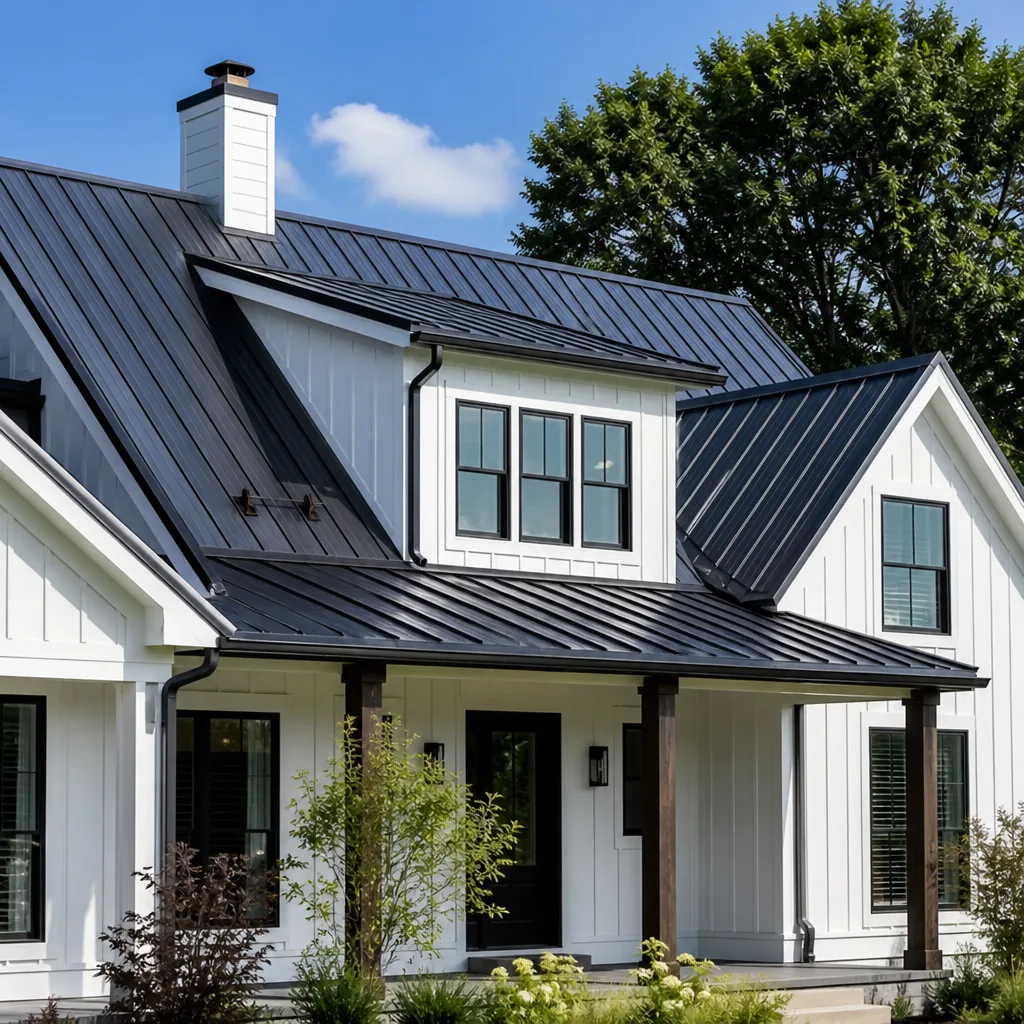 Metal roofing
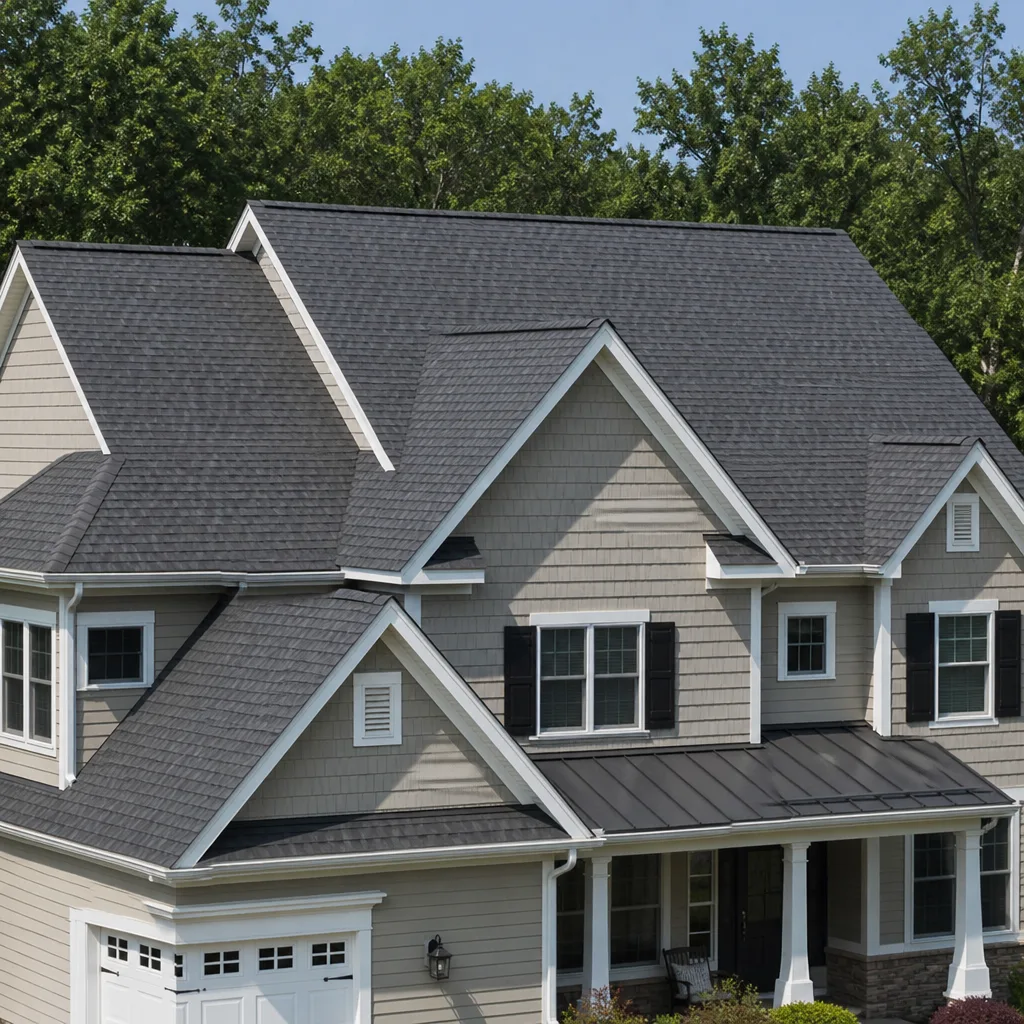 Architectural shingles
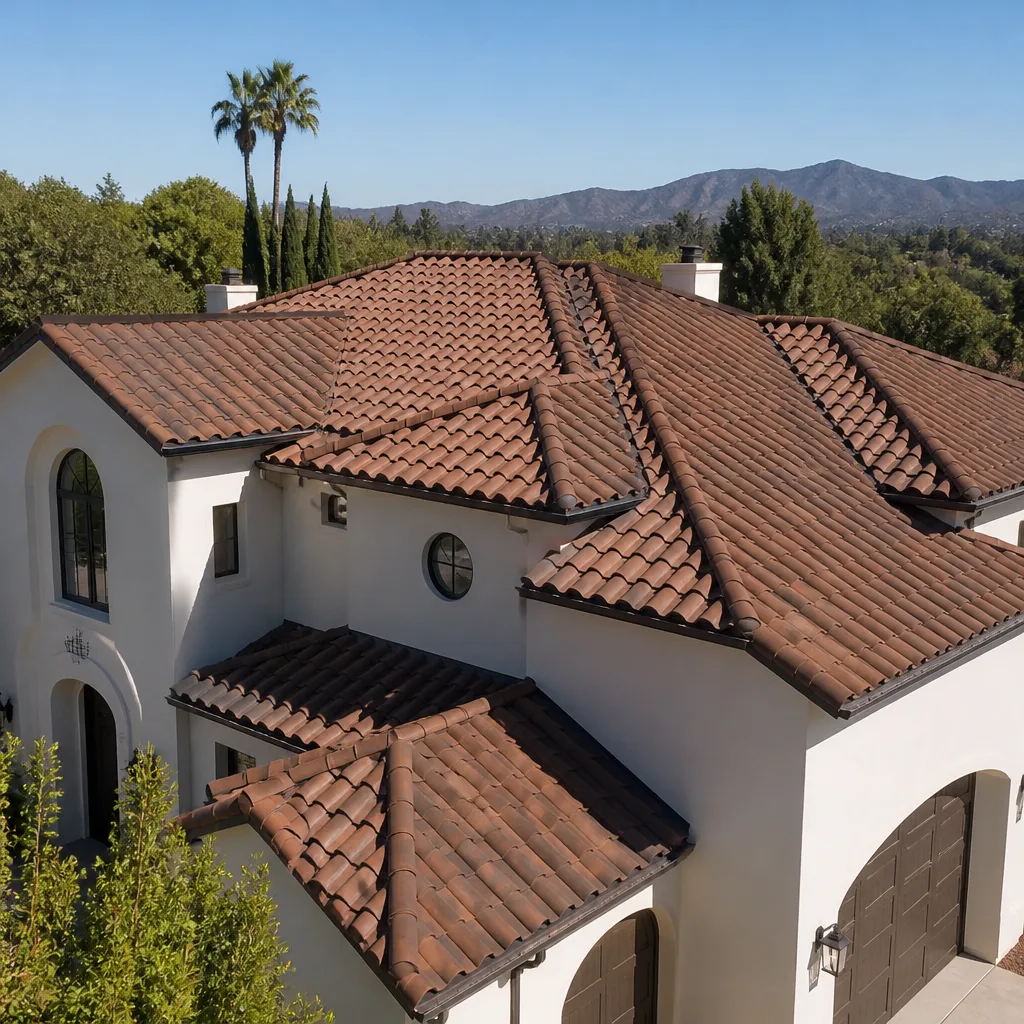 Tile roofing
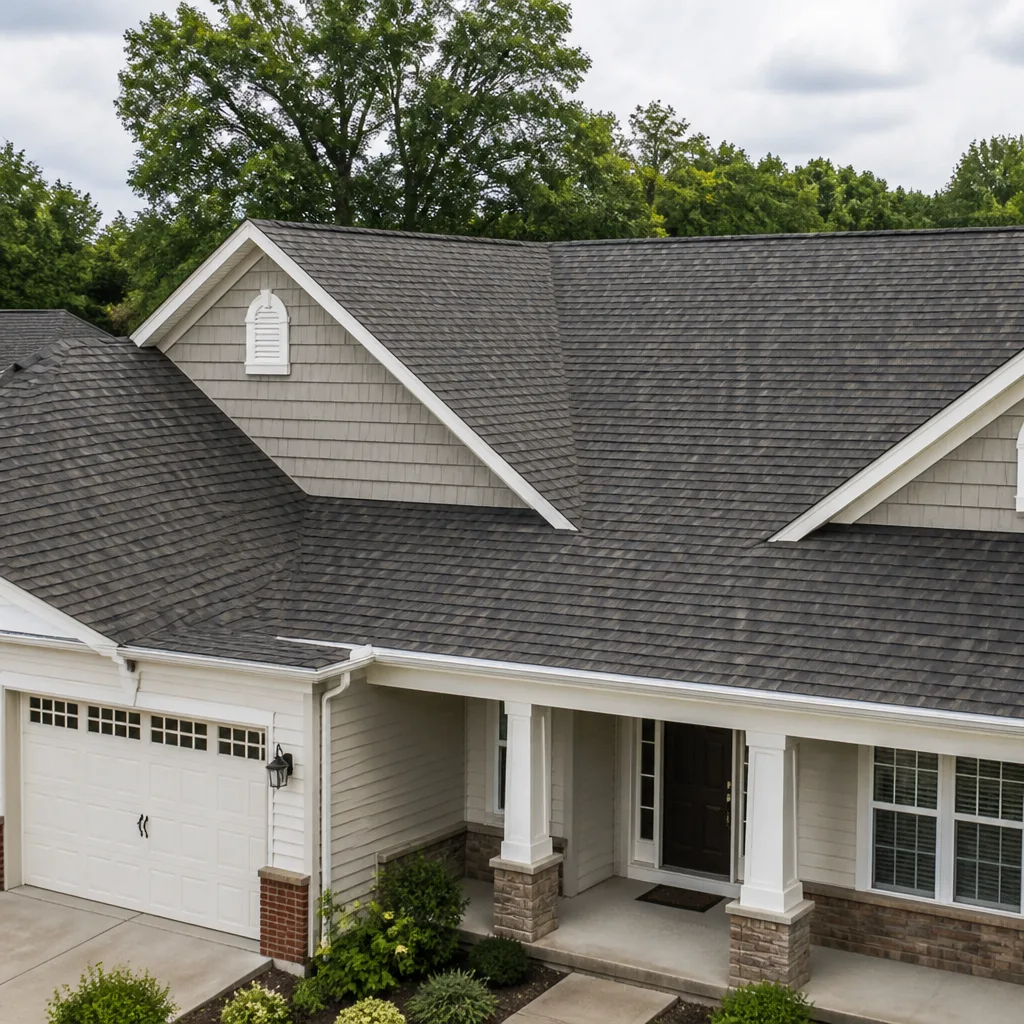 GAF
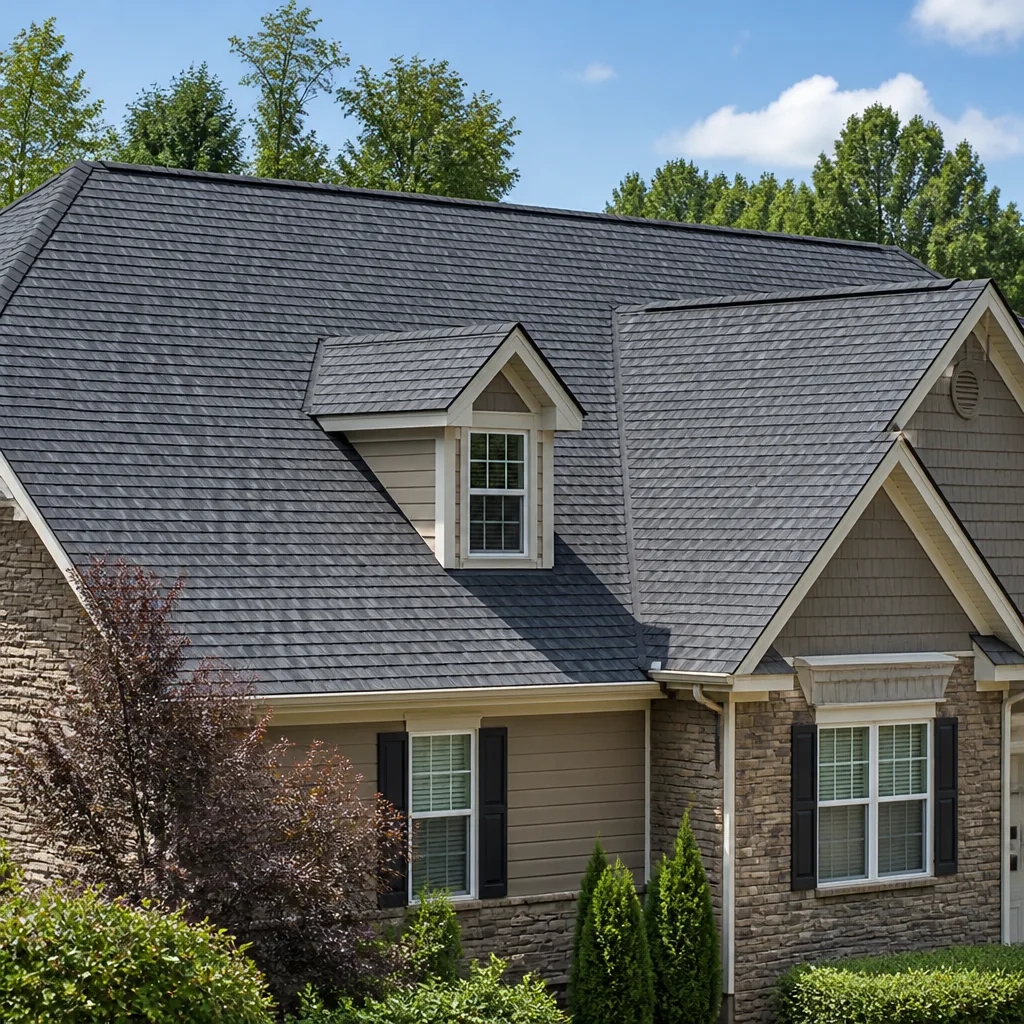 Owens Corning
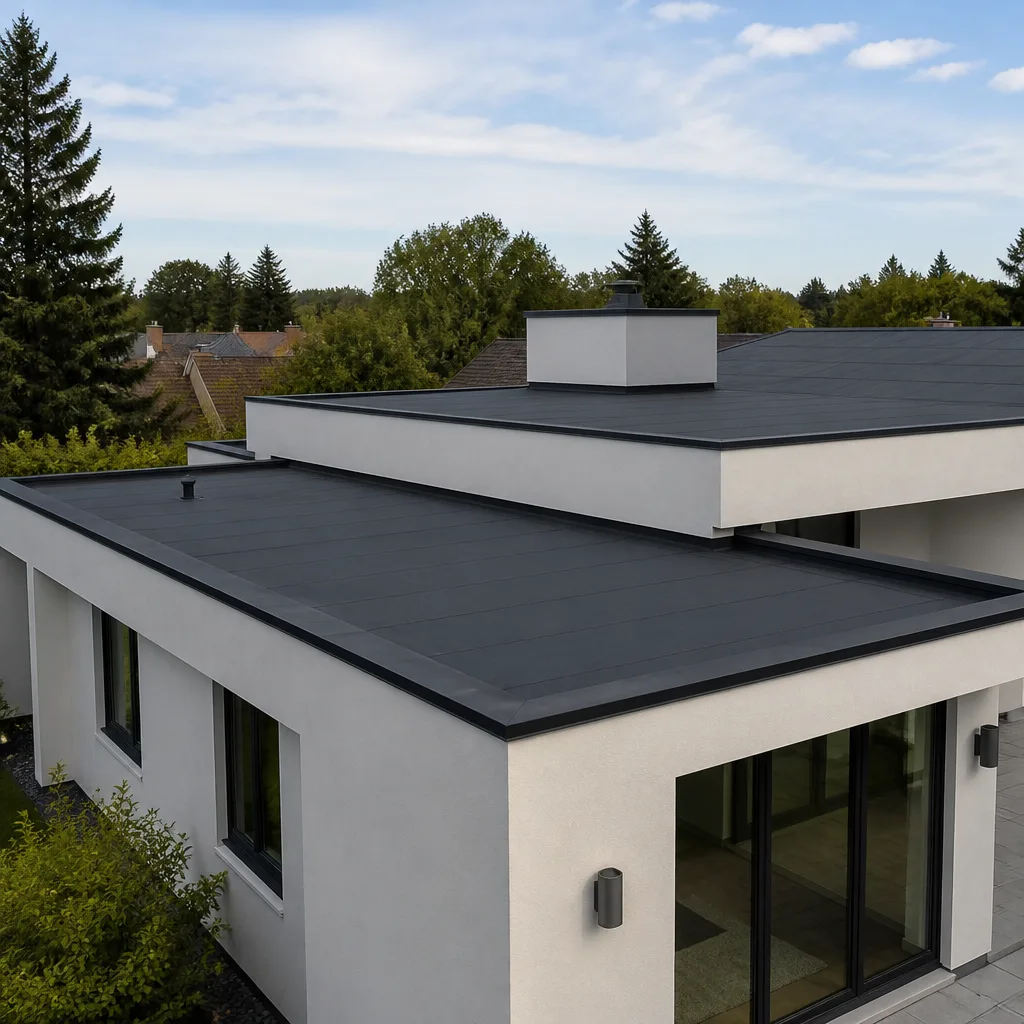 Flat & low-slope
Free roof inspection with deck photos before we talk money - GAF and Owens Corning certified installation
DIY vs Professional Roofing: The Van Nuys Homeowner’s Decision Guide
Here’s a number most YouTube tutorials won’t tell you: a roof surface in Van Nuys hits 160°F or hotter on a typical August afternoon. That’s hot enough to cause second-degree burns through work gloves in under a minute. It also changes how sealants cure, how fast your body dehydrates, and how likely you are to make a mistake on a 4-in-12 pitch. This guide isn’t going to tell you DIY roofing is always wrong. It’s going to tell you exactly where the line is between a smart Saturday project and a five-figure liability, specific to Van Nuys, California, where the heat, the permit laws, and the insurance reality work differently than they do in most of the country. For related reading, see our Roof Repair Troubleshooting: Common Problems and How to Fix Them.
Quick Answer
For most roofing work in Van Nuys, professional installation is the financially rational choice. California law technically allows homeowners to pull an owner-builder roofing permit, but insurance carriers can deny water-damage claims on unpermitted or self-installed work, manufacturer warranties on premium materials like GAF or CertainTeed are void without certified installation, and several DIY tasks carry fall and heat risks that outweigh any labor savings. Minor cosmetic fixes like sealing a small flat-roof patch or replacing a piece of step flashing are generally safe DIY territory. Anything involving structural decking, underlayment replacement, or full re-roofing belongs in the hands of a professional roof inspection and licensed crew.
Styles & brands we work with
Table of Contents
- What California Law Actually Says About DIY Roofing
- The Insurance Gap Nobody Warns You About
- Where DIY Makes Actual Sense in Van Nuys
- Where DIY Creates Compounding Liability
- Valley Heat and Fall Risk: What YouTube Doesn’t Show You
- How DIY Voids Manufacturer Warranties on Premium Materials
- Resale Disclosure: What You’ll Have to Tell the Next Buyer
- The Cost-Honest Comparison: Actual Savings vs. Actual Exposure
What California Law Actually Says About DIY Roofing
California is one of the few states where a homeowner can legally act as their own general contractor on residential work, including roofing. Under the state’s owner-builder exemption in Business and Professions Code section 7044, you can pull a permit for work on your own home without holding a C-39 roofing contractor’s license. That part is straightforward.
What’s not straightforward is the paperwork. If you pull an owner-builder permit for roofing work in Van Nuys, the Los Angeles Department of Building and Safety requires you to sign a verification form. On that form, you’re confirming two things: that you personally did the work, and that you’re not selling the house or transferring title within one year of completion. The second part trips people up. If you decide to sell six months after a DIY re-roof, you’ve technically violated the terms of your permit. That violation shows up in title searches.
There’s a third part that matters more. California Civil Code section 1102 requires sellers to disclose all unpermitted work and all homeowner-performed work to buyers. That’s not a suggestion. It’s a mandatory transfer disclosure. In Van Nuys, where buyers in neighborhoods like Valley Glen and Lake Balboa regularly pull permit histories before writing offers, a self-installed roof is a liability item on the disclosure statement, not a selling point.
We inspect roofs across Van Nuys every week. The number of owner-builder permits we see on roofing jobs is low, and the reason is what the next section explains.
The Insurance Gap Nobody Warns You About
Here’s the scenario we hear too often. A homeowner in Van Nuys replaces a section of shingle roofing themselves. A month later, a windstorm lifts a corner of that section, rain gets in, and the ceiling in the bedroom starts staining. They file a claim with their insurer. The adjuster checks the permit history. No permit. Or the permit says owner-builder. Claim denied.
California insurance carriers are not uniform in how they handle owner-builder work, but the trend in the Van Nuys market is consistent. Carriers writing policies in the San Fernando Valley have become stricter about water-damage claims tied to unpermitted or self-performed roofing. The reasoning is straightforward: they’re not in the business of underwriting amateur installation. If your roofer made an error, the carrier can subrogate against the contractor’s bond and insurance. If you made the error, there’s nobody to subrogate against except you.
This matters in Van Nuys specifically because of how our roofs age. Intense UV exposure dries out sealant and breaks down shingle adhesive faster than coastal climates. A roof that looks fine from the ground can have compound issues at flashing points and valley lines. Amateur repair often addresses the visible problem while missing the underlying water path. When the leak shows up later, the insurance gap is what you’re left holding.
The financial math works like this. A professional repair through a licensed contractor comes with a paper trail: permit record, scope of work, warranty eligibility. That paper trail is your leverage in a claim dispute. DIY work has no paper trail, and it’s now your word against the carrier’s adjuster.
Where DIY Makes Actual Sense in Van Nuys
We’re not here to tell you every roofing task requires a pro. There’s a handful of jobs where a competent homeowner saves money without assuming structural risk. Here’s the honest list, drawn from our Roof Repair Maintenance Checklist for Van Nuys Homeowners.
Small flat-roof patches. Van Nuys has a high percentage of flat and low-slope roofs from the 1950s and 1960s, particularly in neighborhoods west of Sepulveda. If you’ve got a visible crack or small open seam on a flat roof, and you know where the water is entering, a patch kit applied correctly can buy you one to three seasons. The key word is small. Anything larger than a couple of square feet, or any issue that might involve ponding water, needs a professional eye.
Loose flashing seals. Step flashing and pipe flashing are the most common leak sources on Van Nuys roofs. When a pipe boot’s rubber collar cracks from UV exposure, replacing the boot and re-sealing the base is approachable DIY work. You need roofing cement, a proper replacement boot, and enough sense to do it on a day when the surface temperature hasn’t turned the roof into a griddle.
Gutter and downspout maintenance. Clearing debris from gutters and confirming water is being directed away from the foundation is unclaimed DIY territory. It requires no permit, no specialized tools, and it prevents real problems. While you’re up there, note anything that looks wrong and either document it or call for an inspection.
The common thread: these tasks are local, visible, reversible, and non-structural. You can see the problem, you can see your fix, and if the fix fails, the damage is contained.
Where DIY Creates Compounding Liability
Now the other side of the line.
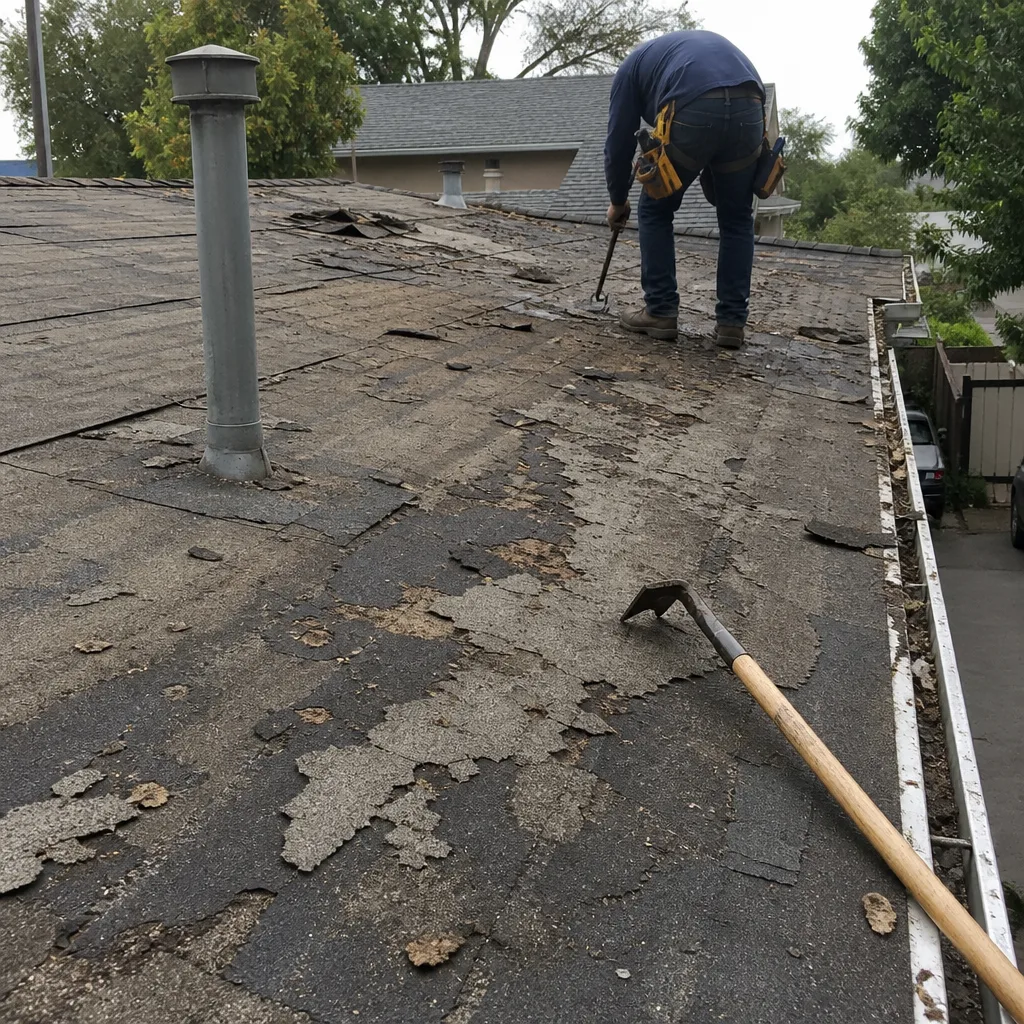
Anything under the shingles. If the problem is at the decking, underlayment, or insulation level, you’re past the surface. Removing shingles to access the deck means opening a system. You’ll need to re-install underlayment, re-flash every penetration you disturb, and nail the new shingles to manufacturer pattern. Miss one nail line or lap the underlayment wrong, and water finds its way in slowly. By the time you see the stain, it’s been rotting the deck for months.
Structural repairs around chimneys, skylights, or vent pipes. The most expensive leaks in Van Nuys are almost always at penetrations. What looks like a simple flashing fix from the ground often involves rotted decking underneath. Opening that section up as a DIY project means you’re now doing structural framing work without the benefit of a contractor’s experience or bond. The permit for that work requires either a licensed contractor or an owner-builder verification, and the insurance section above applies.
Any work on a roof with a pitch over 6-in-12. A 6-in-12 pitch is a 26-degree angle. That’s the point where walking around comfortably becomes genuinely dangerous without fall protection. Van Nuys has its share of steep-roofed post-war cottages, and a 10-in-12 pitch at 110 degrees is an injury waiting for a date.
Full re-roofs. This one should be obvious, but the temptation to save $8,000 to $12,000 in labor on a full replacement is real. We’ve seen the results. A complete roof replacement involves tear-off, deck inspection, underlayment, flashing at every penetration, ridge ventilation, and a clean line at every edge. It’s a three-to-five-day professional job with a crew. As a homeowner doing it solo or with family help, it’s a two-to-three-month project where the roof is partially exposed between sessions. One unseasonal rain in December and the interior damage exceeds whatever you saved.
Valley Heat and Fall Risk: What YouTube Doesn’t Show You
Most roofing tutorials are filmed in mild weather. The presenter’s hands aren’t sweating. The roof surface isn’t radiating heat through their shoes. The shingles aren’t soft enough to tear granules with every step. That’s not the Van Nuys reality.
From June through September, daytime highs in Van Nuys routinely cross 95°F. Roof surface temperatures run 50 to 70 degrees hotter than ambient air. A 105°F day means a 155°F to 175°F surface. Dark asphalt shingles absorb more, and composite shingles stay hot long after sundown. Working on a surface that hot isn’t just uncomfortable; it’s genuinely dangerous. Heat exhaustion onset is faster than most people expect, especially when you’re working on a pitched surface, balancing, nailing, and carrying materials.
There’s a second issue specific to the Valley. The air is dry. You don’t notice how much you’re sweating because it evaporates immediately. By the time you feel thirsty, you’re already behind on hydration. This is why so many fall accidents from roofs in Southern California happen in the late afternoon. The heat burden builds all day, and the decision-making that keeps you balanced gets worse as your core temperature climbs.
Fall risk data tells the same story. Falls are the leading cause of death in residential construction, and roofing accounts for a disproportionate share of those deaths. The altitude doesn’t matter as much as people assume. A fall from a single-story Van Nuys ranch is still a fall onto concrete, gravel, or grass. The injury outcomes from a 12-foot fall are life-altering in a large percentage of cases. Professional crews work with fall protection, a spotter system, and a pace that accounts for the heat. Most homeowners attempt the work barefoot in the heat with a ladder that’s not properly anchored.
How DIY Voids Manufacturer Warranties on Premium Materials
Here’s the part most DIY calculators miss entirely.
Premium roofing materials from manufacturers like Owens Corning, CertainTeed, IKO, and Atlas carry some of the strongest warranties in residential construction. We’re talking 30-year, 50-year, and in some cases lifetime limited coverage on shingles. Those warranties, however, are not transferable to a homeowner who installs the material themselves.
The warranty language is consistent across brands. Material defect coverage extends only when installation is performed by a contractor authorized or certified by that manufacturer. Install it yourself, and you’ve voided the warranty before the first nail goes in. The same applies to material-only repairs. Buy three bundles of Owens Corning shingles from a supply house, nail them on yourself, and there’s no coverage if those shingles fail.
This creates a strange financial picture for the DIY-inclined homeowner. On a full roof replacement in Van Nuys, premium material costs run $4,500 to $9,000 depending on the brand and product line. Labor with a licensed crew adds another $8,000 to $13,000. A homeowner doing it themselves saves the labor but loses a 50-year warranty that has real value, both in peace of mind and in resale. That warranty is a transferable asset when you sell. In a market like Van Nuys, where buyers actively look for roofs with manufacturer warranty coverage still in effect, losing it means subtracting value from the house at sale.
This is what we mean when we say the DIY math in California is different. We work across seven major roofing material brands because no single product fits every roof and every budget. Our material recommendations change based on the roof’s pitch, exposure, and the homeowner’s long-term plans. But the warranty logic doesn’t change: if it goes on the roof and it’s installed by someone who isn’t authorized, the warranty is gone.
Resale Disclosure: What You’ll Have to Tell the Next Buyer
California’s disclosure requirements are the quiet variable in the DIY equation. When you sell a home in Van Nuys, you complete a Transfer Disclosure Statement and a Supplemental Seller’s Checklist. Both forms ask specifically about roofing work: whether any work was done without a permit, whether any work was done by the owner rather than a licensed contractor, and whether there are any known roof leaks or defects.
You cannot legally check “no” if the answer is yes. And if you check “yes,” the buyer’s agent will ask for documentation. What documentation exists for a DIY re-roof? Your receipts from the supply house. Your photos. Your word. There’s no contractor’s license number, no Certificate of Insurance, no permit record from LADBS, no manufacturer warranty registration, no workmanship warranty.
Now compare that to a professionally installed roof. The seller presents the permit, the final inspection sign-off, the contractor’s license and insurance, and a manufacturer warranty certificate in the seller’s name that transfers to the buyer. Which roof do you think survives the inspection contingency without a renegotiation?
We’ve watched buyers in Van Nuys use an unknown roof history to knock $10,000 to $20,000 off the purchase price. The rationale is simple: they’re pricing in the cost of a professional replacement because they can’t verify what’s underneath the shingles. A DIY roof that functioned perfectly for a decade still triggers that renegotiation because the buyer has no way to confirm it was done right.
The Cost-Honest Comparison: Actual Savings vs. Actual Exposure
Let’s put actual numbers on paper for Van Nuys, because the generic “DIY saves labor” argument hides the real math.
Scenario one: minor flat-roof patch. Professional cost: $350 to $750. DIY cost: $80 to $150 in materials. Savings: $200 to $600. Risk: low, if the patch is small and you know the water entry point. This is the do-it-yourself sweet spot.
Scenario two: replace a few damaged shingles. Professional cost: $400 to $900 including a ridge-to-eave inspection while they’re up there. DIY cost: $100 to $200. Savings: $300 to $700. Risk: moderate. The visible shingles may not be the only problem, and a missed nail line or misplaced seal strip opens a future leak path. You also lose the professional inspection component, which often catches other issues before they get expensive.
Scenario three: full tear-off and replacement on a 1,600-square-foot Van Nuys home. Professional cost: $15,000 to $25,000 depending on material choice, including permit, disposal, and warranty registration. DIY cost: $6,000 to $10,000 in materials and dump fees. Savings on paper: $9,000 to $15,000. Real-world exposure: no warranty, no permit documentation, three to six months of exposed work windows, insurance gap on any water damage during or after the project, and resale disclosure obligations that will cost you at the closing table. The “savings” disappear quickly under that accounting.
The honest take: DIY roofing saves real money on small, contained, surface-level tasks. It creates compounding risk on anything structural or system-wide. In Van Nuys, where the heat, the permit disclosure rules, and the insurance market all push against unlicensed work, the line between smart and expensive is drawn earlier than in most places. For help finding the right professional, read How to Hire a Roofing Contractor in Van Nuys: A Step-by-Step Guide.
Common Mistakes to Avoid
- Assuming the owner-builder permit is a formality. It’s not. The verification you sign has year-long title-transfer restrictions and it opens a paper trail that follows the house. Read the form before you sign it.
- Doing roof work in Van Nuys summer heat without shade. Surface temperatures on asphalt shingles exceed 150°F. People have been hospitalized for heat stroke doing exactly this. If you must do minor roof work, go early morning or late evening.
- Patching over a problem instead of finding the source. A visible crack at a seam is often the exit point, not the entry point. Water travels. The actual leak may be four feet away at a flashing penetration.
- Mixing sealant types. Silicone and roofing cement don’t bond well together. Using the wrong sealant on the wrong material creates a false fix that fails within a season. Van Nuys heat accelerates that failure.
- Ignoring the warranty clause on premium materials. Buying premium Owens Corning or CertainTeed material and installing it yourself is spending top dollar for no warranty. You’ve paid for coverage you can never use.
- Underestimating steep-pitch danger. A 7-in-12 slope feels walkable until you’re on it with a bundle of shingles in one hand. Most roofing falls happen on pitches that didn’t look scary from the ground.
- Failing to disclose DIY roofing at sale. Some sellers check “no” on the disclosure form hoping the buyer won’t notice. The buyer’s inspector will notice. The liability doesn’t go away; it compounds.
See the difference
 Before
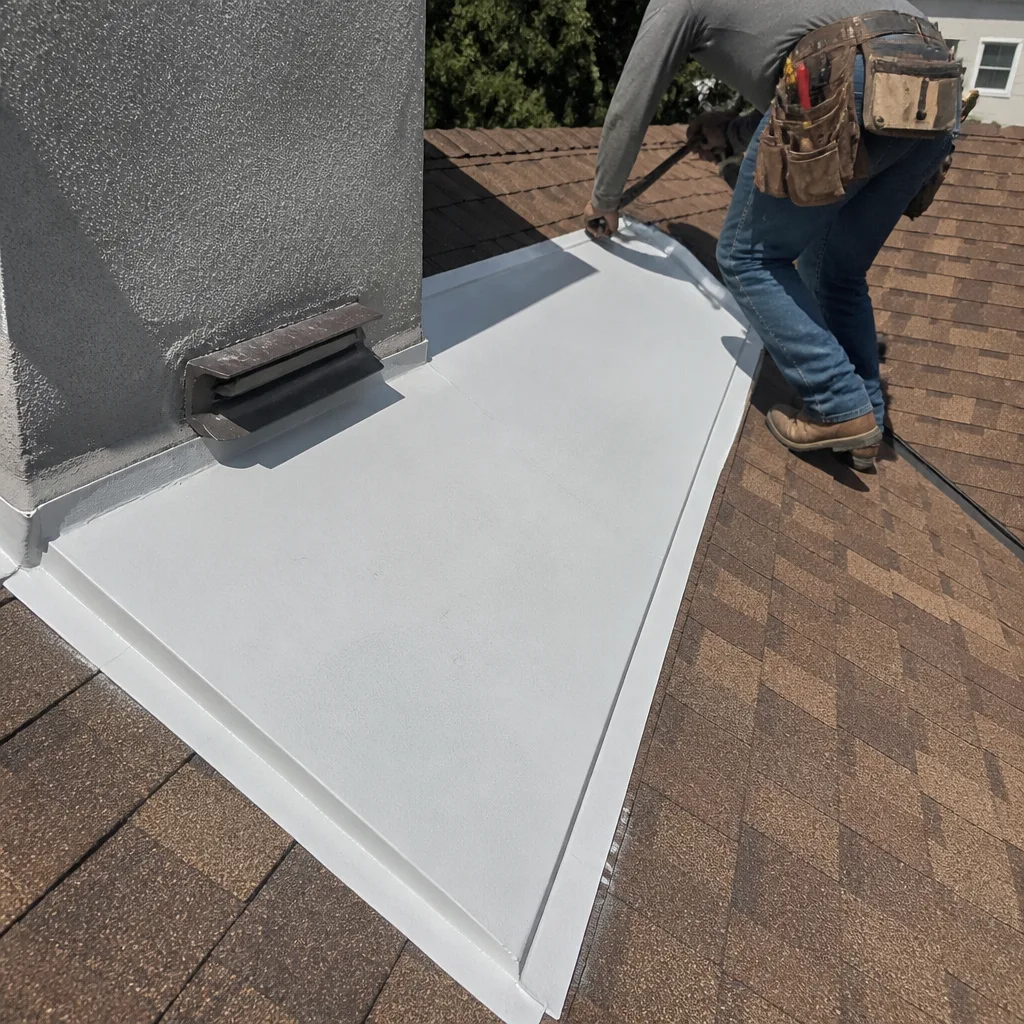 After
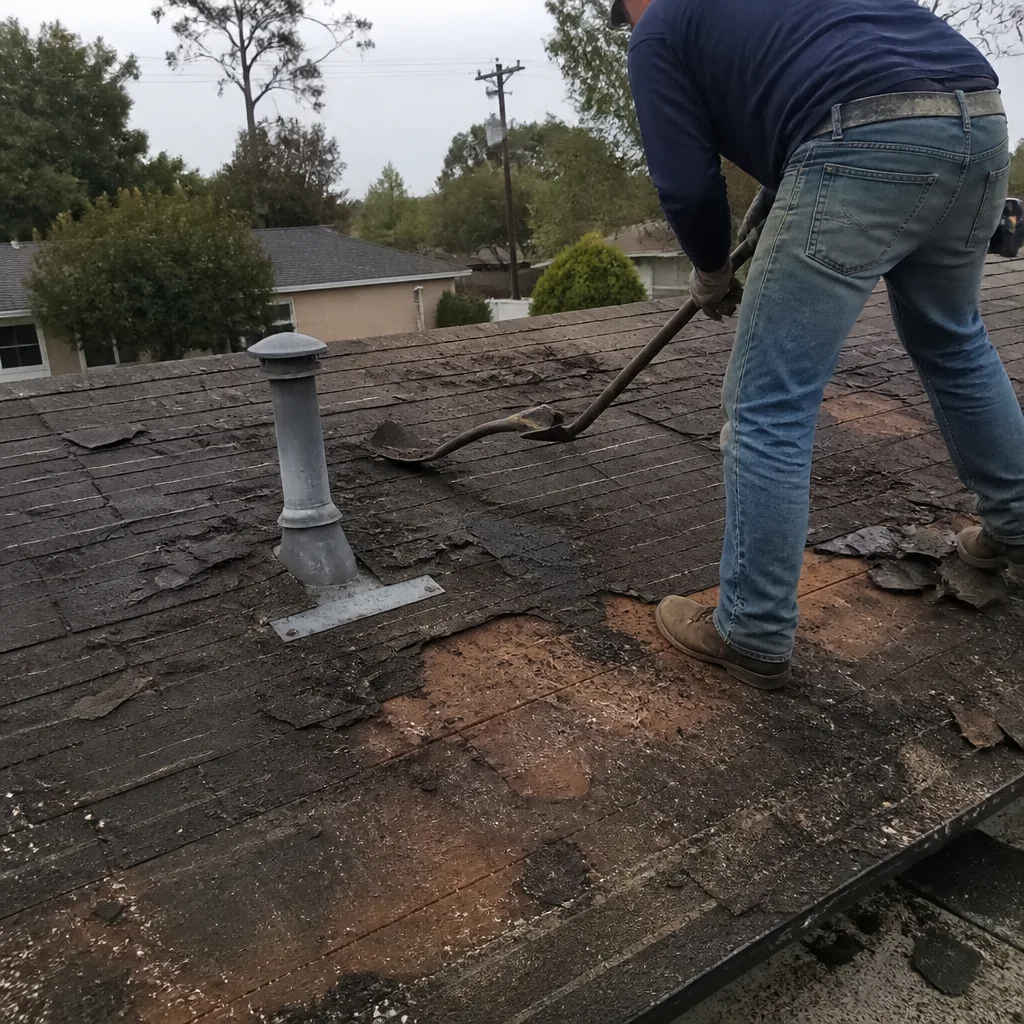 Before
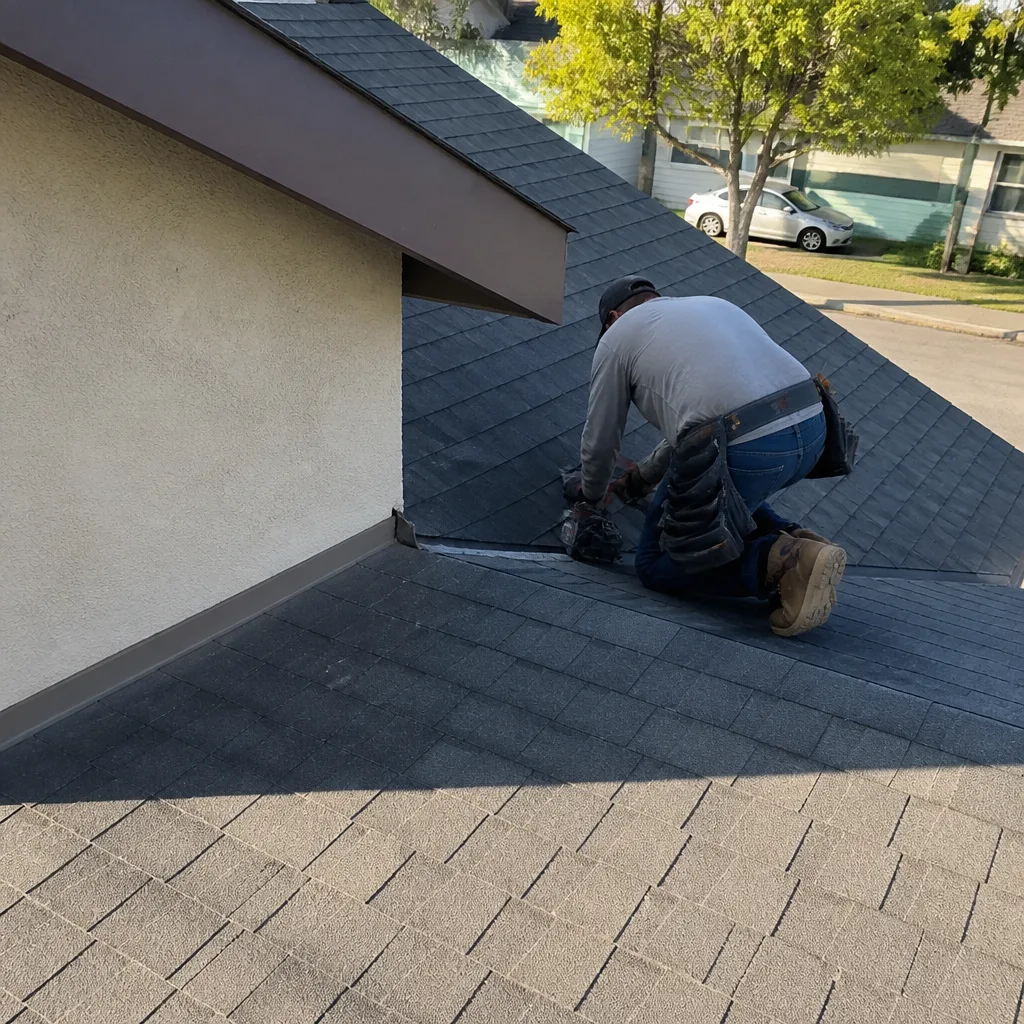 After
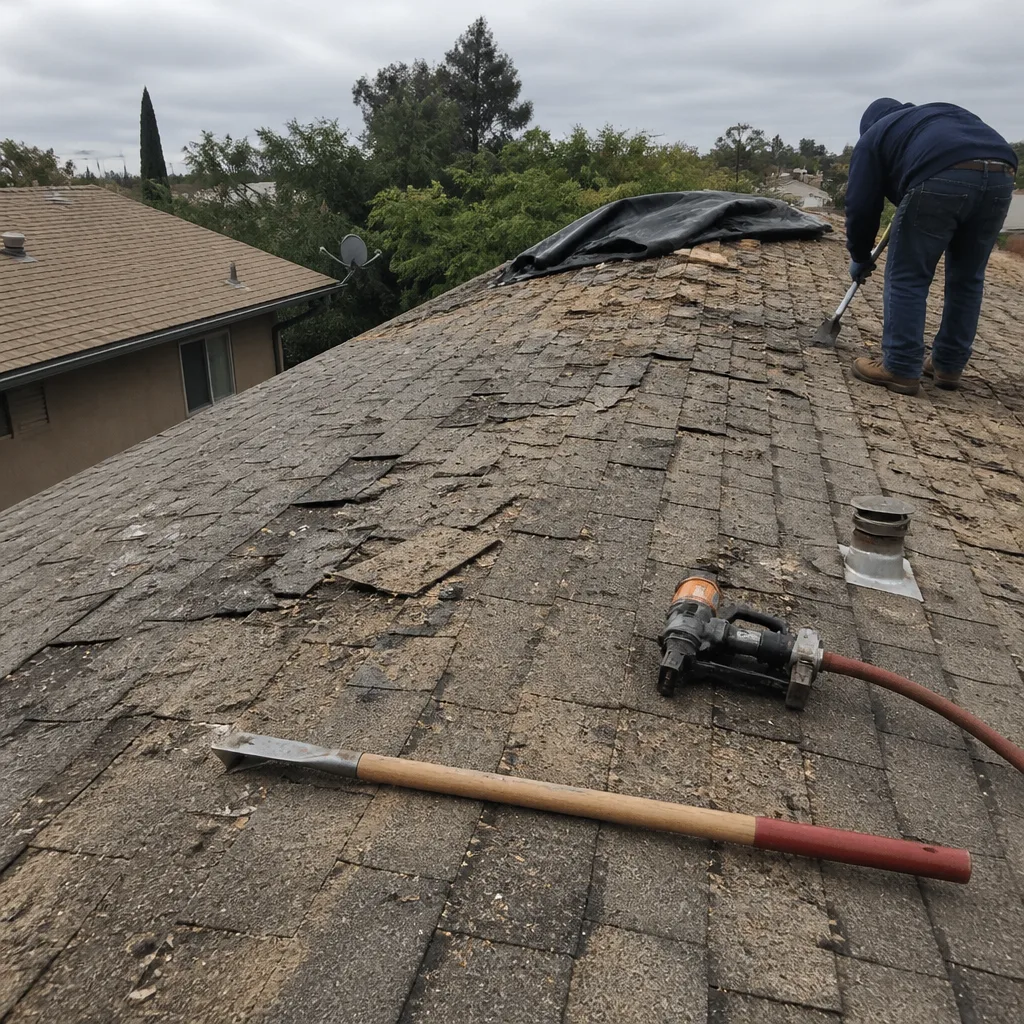 Before
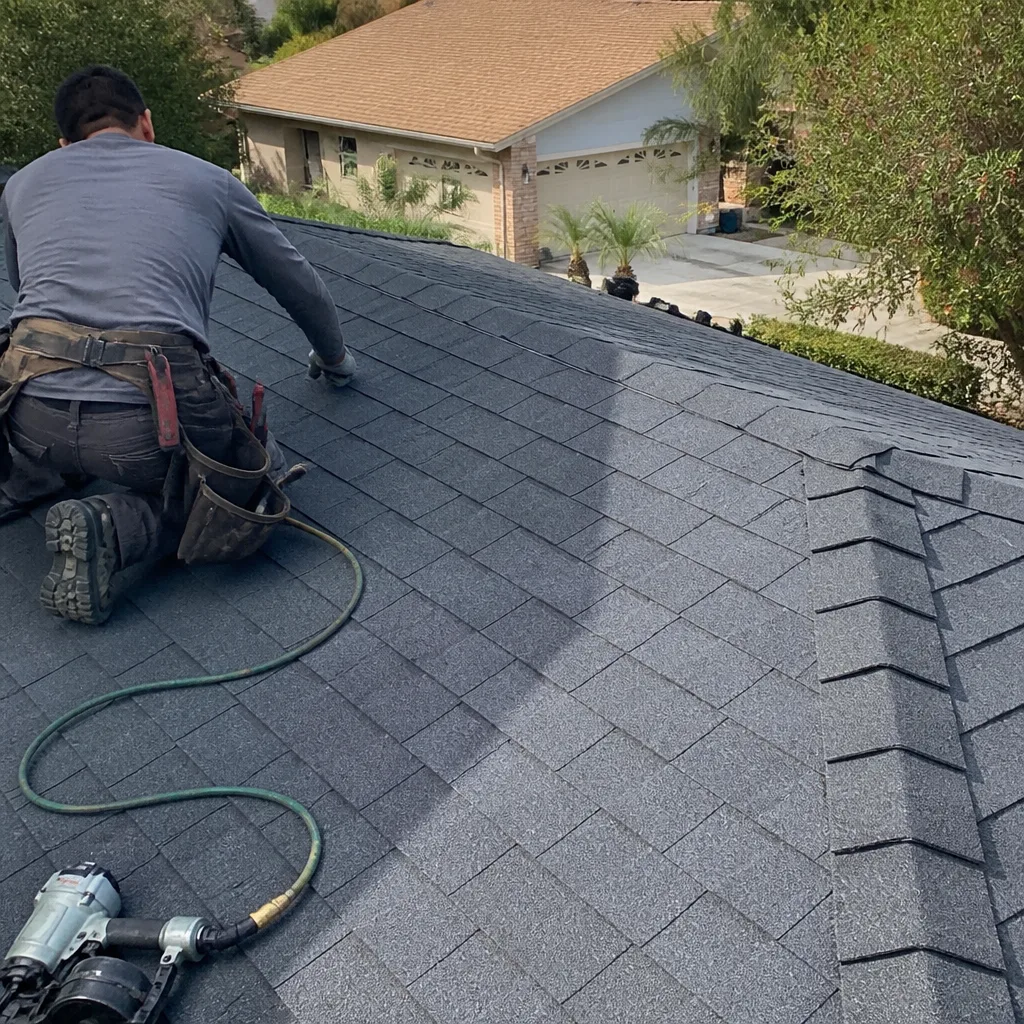 After
When to Call a Professional
Call a professional when the work involves anything below the shingle surface, any structural component, any penetration like a chimney or skylight, any roof with a pitch over 6-in-12, or any situation where you can’t identify the water source with confidence. Call a professional when the roof is older than 15 years and the problem might be systemic rather than localized. And call a professional when you want the warranty, the permit paper trail, and the resale documentation that comes with licensed work. We inspect first and recommend second, which means if your roof doesn’t need a replacement, we’ll tell you that straight. If it does, you’ll know exactly why and what it costs. Van Nuys Roofing Co offers free estimates in Van Nuys, call (866) 321-6172 to schedule one. Browse more guides & resources on our blog.
Frequently Asked Questions
Yes, California’s owner-builder exemption allows a homeowner to pull a permit and act as their own contractor for roofing work on their primary residence. However, you must sign a verification form that restricts title transfer within one year, and your insurance carrier may reject water-damage claims tied to self-installed roofing. For most homeowners, the legal right exists but the risk-adjusted math points toward professional installation. Call (866) 321-6172 if you want a professional assessment before deciding.
Not reliably. Insurance covers sudden and accidental damage, but carriers routinely deny water-damage claims when the workmanship that failed was performed by the homeowner without a permit or contractor’s license. The carrier’s position is that they insured the professionally-built home, not the homeowner’s renovation. Always check with your carrier before doing roof work your policy would need to cover later.
Small flat-roof patches where you’ve identified the water source, loose flashing seal replacement, and gutter cleaning are the three tasks where DIY typically makes sense. These are surface-level, visible, and reversible. Anything under the shingles, at structural penetrations, or on steep pitches belongs with a licensed contractor.
Yes. Premium shingle manufacturers including GAF, CertainTeed, Owens Corning, IKO, Atlas, Tamko, and Boral all require installation by authorized or certified contractors for warranty coverage to take effect. Self-installed material is sold with no warranty protection. Since those warranties often run 30 years to lifetime coverage, the lost value is substantial.
Minor repairs run $350 to $900 in most cases. Larger repairs involving decking replacement or multiple flashing points run $1,000 to $3,500 depending on scope. Full replacements on typical Van Nuys homes run $15,000 to $25,000. These ranges reflect the current Van Nuys market and include permit costs where applicable. Call (866) 321-6172 for a written line-item estimate on your specific roof.
Yes. California’s Transfer Disclosure Statement and Supplemental Seller’s Checklist both require disclosure of owner-performed work and work done without permits. Failing to disclose creates legal liability that follows you after close. Buyers in Van Nuys regularly pull permit histories, and an undisclosed roof issue is the most common basis for post-sale disputes.
The Bottom Line
DIY roofing in Van Nuys is a narrower opportunity than most homeowners assume. Small surface repairs make sense. Anything structural, anything on steep pitches, and anything where a warranty or insurance coverage matters belongs in professional hands. California’s owner-builder permit exists, but the disclosure rules, insurance gaps, and warranty voids that come with it erase the savings on any significant job. The smart homeowner recognizes that the most valuable asset on the house deserves a licensed, brand-agnostic approach. Get a professional roof inspection first, understand exactly what your roof needs, and then decide. At Van Nuys Roofing Co, we work across seven major roofing material brands so the recommendation fits your roof and your budget. For repair, replacement, or an honest assessment, call (866) 321-6172 to schedule your free estimate.
Written by the team at Van Nuys Roofing Co, serving Van Nuys since 2015.